
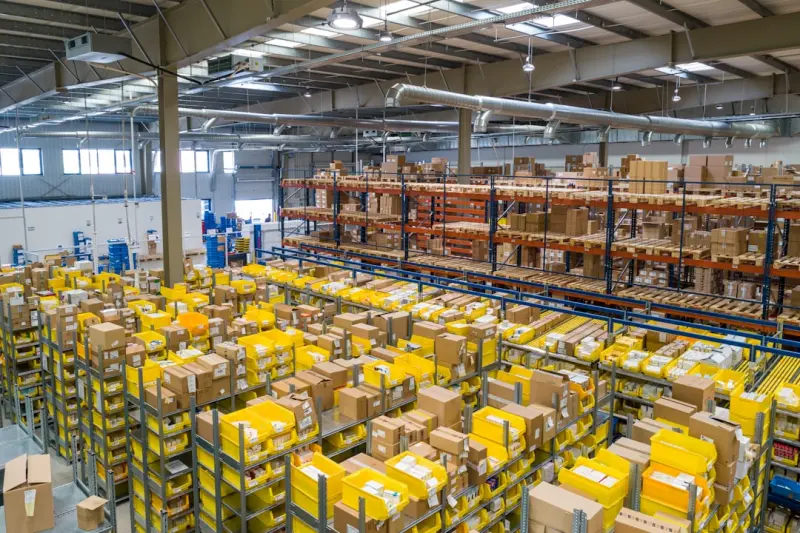
Real‑Time Inventory Visibility: Turning Stock Uncertainty into Sales Confidence
When I first helped a boutique fashion brand migrate from a legacy ERP to a modern SaaS stack, the biggest pain point wasn’t the checkout flow or the UI polish—it was the never‑ending “out‑of‑stock” nightmare. Customers would add items to their carts, only to see a dreaded “Sorry, we’re sold out” message at the last step. The result? Cart abandonment rates spiked, support tickets flooded, and the brand’s reputation took a hit.
Fast forward a few years, and the same pattern repeats across categories—electronics, groceries, even luxury goods. The culprit is the same: a disconnect between what the front‑end shows and what the back‑end actually has. In an era where shoppers expect instantaneous answers, the old “batch‑update every hour” model simply can’t keep up.
Enter real‑time inventory visibility. By surfacing live stock data at every touchpoint, merchants transform a potential friction point into a confidence builder. In this post I’ll walk you through the why, the how, and the tangible outcomes you can expect when you make inventory transparency a core component of your e‑commerce stack.
The Business Imperative: Trust Is the New Currency
Consumer trust has always been a differentiator, but the calculus has shifted dramatically. According to recent studies, 73% of shoppers say they would abandon a purchase if they suspect inventory information is outdated. That statistic alone should make any CFO sit up straight.
- Reduced Cart Abandonment – When shoppers see accurate stock levels, they’re less likely to hit “back” and more likely to complete the purchase.
- Higher Average Order Value (AOV) – Real‑time data enables dynamic upsell and cross‑sell opportunities (“Only 3 left! Add a matching accessory now”).
- Improved Brand Loyalty – Consistently reliable inventory signals turn one‑time buyers into repeat customers.
These benefits aren’t just nice‑to‑have; they’re revenue drivers. A modest 5% lift in conversion can translate into millions for a mid‑size retailer.
Technical Foundations: From Data Silos to a Live Data Fabric
Achieving true real‑time visibility isn’t a matter of toggling a switch; it requires a shift in how data flows across your ecosystem. Below are the key building blocks you need to assemble.
1. Event‑Driven Architecture
Instead of relying on scheduled batch jobs that push inventory snapshots every few minutes, adopt an event‑driven model. Every time a purchase occurs, a warehouse picker updates the stock, or a return is processed, an inventory event is emitted. These events travel through a message broker (Kafka, RabbitMQ, or a managed SaaS alternative) and are consumed by downstream services in milliseconds.
2. Real‑Time Data Engine
To make sense of the torrent of events, you need a processing layer that can aggregate, filter, and enrich data on the fly. Think of it as the brain behind the operation. For inspiration on building such a layer, check out the concepts in real‑time data engine—the same principles apply when you swap “JavaScript” for “inventory events”.
3. Scalable Data Store
Traditional relational databases struggle with high‑velocity writes. Modern NoSQL stores (e.g., DynamoDB, Cosmos DB) or specialized time‑series databases can ingest millions of inventory changes per second while providing low‑latency reads for the front‑end.
4. API Gateway & Edge Caching
Expose inventory data via a fast, lightweight API. Use edge caching (CDNs with stale‑while‑revalidate strategies) for read‑heavy traffic, but ensure cache invalidation hooks fire instantly when stock changes.
5. Multi‑Cloud Resilience
Relying on a single cloud provider can become a single point of failure. A multi‑cloud strategy not only improves uptime but also lets you place inventory services closer to regional fulfillment centers, shaving milliseconds off response times.
Implementation Roadmap: From Pilot to Full Rollout
Jumping straight into a full‑scale overhaul can be risky. I recommend a phased approach.
- Identify a High‑Impact SKU Segment – Start with a product line that experiences frequent stockouts (e.g., limited‑edition sneakers). This gives you immediate ROI and a clear success metric.
- Instrument Event Sources – Ensure your order management system (OMS), warehouse management system (WMS), and returns platform all emit standardized inventory events.
- Deploy a Real‑Time Processor – Use serverless functions or a lightweight container service to aggregate events and update your real‑time datastore.
- Expose a Public API – Create a versioned endpoint (e.g.,
/api/v1/inventory/{sku}) that returns current stock and projected restock dates. - Integrate Front‑End Widgets – Show live stock badges (“Only 2 left”) on product pages, category listings, and even in email campaigns.
- Monitor & Iterate – Track key metrics (conversion lift, cart abandonment, support tickets) and fine‑tune thresholds (e.g., when to show “Low Stock” vs. “Out of Stock”).
Each phase should be measured against a clear KPI. If you can prove a 2% lift in conversion after the first rollout, you have a compelling case to expand the solution.
Beyond Stock Levels: Enriching the Shopper Experience
Real‑time inventory data is a foundation, not a finish line. Once you have confidence in the numbers, you can layer additional intelligence.
Dynamic Pricing & Allocation
When you know exactly how much product you have on hand, you can adjust prices dynamically to balance supply and demand. For instance, a sudden surge in demand for a limited‑run item could trigger a modest price increase, protecting margins while still satisfying shoppers.
Personalized Recommendations
Combine live inventory with a recommendation engine to avoid suggesting out‑of‑stock items. The result is a more relevant, frictionless experience that nudges shoppers toward purchasable alternatives.
Smart Fulfillment Choices
Show shoppers real‑time options for pickup, same‑day delivery, or ship‑from‑store based on where inventory is available. This not only improves conversion but also optimizes your logistics costs.
Transparency Badges for Trust
Simple visual cues—like a green checkmark next to “In Stock” or a countdown timer for low‑stock items—reinforce the perception of a reliable retailer. Studies show that these badges can increase click‑through rates by up to 15%.
Common Pitfalls and How to Avoid Them
While the upside is compelling, there are traps that many teams fall into.
- Data Inconsistency: If any source fails to emit events, your inventory view becomes stale. Implement dead‑letter queues and alerting for missing events.
- Over‑Engineering the UI: Flashing numbers and timers can feel gimmicky. Keep the presentation simple and focus on clarity.
- Ignoring Edge Cases: Returns, cancellations, and pre‑orders each have unique inventory implications. Map each scenario in your event schema.
- Neglecting Security: Exposing inventory data via APIs can reveal business-sensitive information. Apply rate limiting, authentication, and data masking where appropriate.
Case Study: A Mid‑Size Outdoor Gear Retailer
Let me share a concrete example. A client selling camping equipment struggled with a 12% cart abandonment rate, primarily due to out‑of‑stock surprises. We implemented a real‑time inventory pipeline using serverless functions on AWS, a DynamoDB table for fast reads, and a GraphQL API for the front‑end.
Results after three months:
- Cart abandonment dropped from 12% to 7%.
- Average order value rose 4% thanks to low‑stock upsell prompts.
- Support tickets related to stock inquiries fell by 68%.
What’s more, the client leveraged the live inventory feed to power a “nearest‑store pickup” feature, unlocking a new revenue stream and increasing foot traffic to brick‑and‑mortar locations.
Future Outlook: Inventory as a Service (IaaS)
Looking ahead, the concept of Inventory as a Service is emerging. Instead of each retailer building and maintaining its own real‑time stack, a SaaS provider could expose a managed inventory layer that integrates with multiple sales channels—web, mobile, marketplaces, and even AR/VR experiences. This would allow smaller merchants to compete with giants by tapping into a shared, high‑performance inventory backbone.
In practice, this could look like a subscription model where you pay per‑SKU update or per‑API call, much like other SaaS offerings we’ve seen in the e‑commerce ecosystem. The benefits? Faster time‑to‑market, reduced operational overhead, and the ability to instantly scale during peak seasons like Black Friday or holiday sales.
Takeaways: Turn Uncertainty into an Asset
At the end of the day, inventory is the lifeblood of any e‑commerce operation. By moving from periodic snapshots to a live, event‑driven view, you convert a source of friction into a strategic advantage. The roadmap is clear: adopt an event‑driven architecture, invest in a real‑time data processing layer, expose a low‑latency API, and iterate based on shopper behavior.
If you’re still on the fence, remember the numbers: even a 1–2% uplift in conversion can justify the investment many times over. And with a multi‑cloud approach, you’ll future‑proof your infrastructure against outages and latency spikes.
So, the next time you see a “Limited Stock” badge on a product page, know that it’s not just a marketing gimmick—it’s the result of a robust, real‑time system working behind the scenes to give shoppers confidence, and to give your business the edge it needs in a hyper‑competitive market.

Brian LeBlanc is a front-end web developer, UX designer, and web application developer with experience building scalable, user-friendly digital solutions.Holding a degree from University, he specializes in leveraging a wide array of modern languages, frameworks, and tools—such as JavaScript/ES6, HTML5/CSS3, PHP, and responsive interface design—to create efficient applications that simplify user experiences.
Related Posts

From Clicks to Loyalty: Crafting a Frictionless E‑Commerce Journey with AI
Modern B2B buyers demand speed, relevance, and trust. This post explores how AI‑powered personaliz... Read More

Conversational Commerce: Turning Chat into Checkout
A deep dive into conversational commerce, showing how real‑time chat, privacy‑first personalizat... Read More

Zero‑Party Data: The Trust‑Driven Growth Engine for Modern E‑Commerce
Learn why zero‑party data—information customers willingly share—offers a high‑quality, priva... Read More
Top Posts

Headless WordPress: Unlocking Decoupled Front‑Ends for Modern Enterprises
Explore the benefits of using WordPress as a content hub and delivering it via modern JavaScript frameworks, with practical migration steps and best‑practice ...Read More
Why a Multi‑Cloud Hosting Blueprint Is the Secret Weapon for Modern SaaS
A deep dive into building a multi‑cloud hosting architecture that reduces latency, improves uptime, and optimizes spend—providing SaaS companies a competiti...Read More

Future‑Proofing Shared Hosting: Performance, Security, and DevOps on a Budget
Discover a strategic approach to shared hosting that boosts performance, hardens security, and integrates CI/CD pipelines, turning an affordable plan into a res...Read More

WebAssembly on Mobile: Native‑Level Speed Without Leaving the Browser
WebAssembly brings compiled‑code speed to mobile browsers, letting SaaS products deliver native‑level performance for data crunching, AI, and secure offline...Read More
0 Comments
Post Comment
You will need to Login or Register to comment on this post!