

Why eCommerce SEO Needs a “Signal‑First” Mindset (and How to Build It)
When I first started optimizing product catalogs for organic traffic, the rulebook felt like a static checklist: keywords, meta tags, backlinks, and a dash of technical hygiene. That approach still works, but it’s increasingly fragile in a world where Google’s algorithms are less about static signals and more about real‑time user intent. In this post I’m going to flip the script and show you how to treat SEO as a live, data‑driven signal‑processing system, not a one‑time setup.
From Checklist to Signal Pipeline
Think of your eCommerce site as a continuous‑flow factory. Every product page, category landing, and search result is a station that emits data: click‑through rates, dwell time, bounce patterns, and micro‑conversions (like “add to wishlist”). Instead of treating SEO as a set of static tags you write once, you should listen to those signals, process them, and feed the insights back into your content and architecture. The result? A site that evolves with shopper intent and search engine expectations in lockstep.
Step 1: Map the Signal Landscape
Before you can act on any data, you need a clear map of where signals originate:
- Product‑level metrics: impressions, clicks, conversion rate, and revenue per search query.
- Category health: internal navigation paths, breadcrumb usage, and filter interactions.
- Technical telemetry: page‑load timings, Core Web Vitals, and crawl budget consumption.
- Off‑site cues: backlink velocity, brand mentions, and social shares.
Collect these data points in a centralized observability platform (think Google Data Studio, Looker, or a custom dashboard). The goal isn’t just to have raw numbers—it’s to surface actionable patterns.
Step 2: Prioritize “Signal Quality” Over Quantity
Many eCommerce teams fall into the trap of chasing volume: more keywords, more pages, more backlinks. That strategy often dilutes relevance, causing Google to see your site as a “keyword farm.” Instead, focus on signal quality:
- Relevancy depth: Ensure each page satisfies a specific search intent, whether it’s transactional (“buy leather boots size 10”), informational (“how to break in new shoes”), or navigational (“brand X official store”).
- Authority concentration: Rather than scattering backlinks across thousands of low‑value pages, funnel them toward high‑conversion pillars—your best‑selling product clusters and brand stories.
- Engagement fidelity: High dwell time and low bounce on a product page tell Google that the page meets user expectations, boosting rankings more than a generic meta description ever could.
Step 3: Turn Technical Debt into a Ranking Lever
Technical health is the foundation of any signal‑first SEO engine. If Google can’t crawl your catalog efficiently, the best‑crafted product copy is invisible. Here’s a quick audit checklist that goes beyond the usual “check Core Web Vitals”:
- Dynamic rendering pipeline: Serve a lightweight HTML snapshot to crawlers while delivering full JavaScript experiences to shoppers. This balances speed with interactivity.
- Edge caching strategy: Deploy static assets (images, JSON-LD, schema snippets) to edge nodes. A fast, edge‑first approach reduces latency for both users and bots.
- Schema hygiene: Use structured data to declare product availability, price, and review ratings. Validate with Google’s Rich Results Test to avoid “partial” or “invalid” markup warnings.
- Responsive component design: Ensure product grids adapt gracefully across devices. Modern CSS features like responsive UI tricks let you fine‑tune layouts without bloating the DOM, which translates into faster paint times.
Step 4: Leverage AI‑Assisted Content Refreshes
AI isn’t a silver bullet, but when combined with signal data it becomes a powerful content‑generation ally. Follow this workflow:
- Identify under‑performing pages: Filter product pages with high impressions but low click‑through rate (CTR).
- Extract intent clusters: Use natural‑language processing to group search queries that land on those pages.
- Generate rewrite prompts: Feed the intent clusters into an LLM with guidelines (e.g., keep the copy under 150 words, include primary keyword, add a clear CTA).
- Human review & A/B test: Publish the AI‑enhanced copy to a percentage of traffic and monitor engagement lifts.
This closed loop lets you continuously improve on‑page relevance without reinventing the wheel for every SKU.
Step 5: Turn User‑Generated Signals into SEO Gold
Customer reviews, Q&A sections, and user‑submitted photos are treasure troves of fresh, naturally occurring keywords. Here’s how to harness them:
- Schema‑enhanced reviews: Mark up each review with
reviewRatingandauthorfields to surface rich snippets in SERPs. - Dynamic FAQ blocks: Pull common customer questions into an
FAQPageschema. Google loves answering real user queries directly on the results page. - Image alt‑text automation: Use image recognition to suggest descriptive alt attributes for user‑uploaded photos, then let moderators approve before publishing.
Step 6: Align SEO Signals with Paid Media Data
Paid search and SEO are often siloed, yet they share the same audience. By feeding paid search performance data (cost‑per‑click, conversion rate) into your SEO signal pipeline, you can:
- Spot high‑ROI keywords that lack organic rankings and prioritize content creation.
- Detect “cannibalization” where paid ads and organic results compete for the same impression share, allowing you to adjust bids or meta titles.
- Validate SEO experiments faster by cross‑referencing with paid conversion trends.
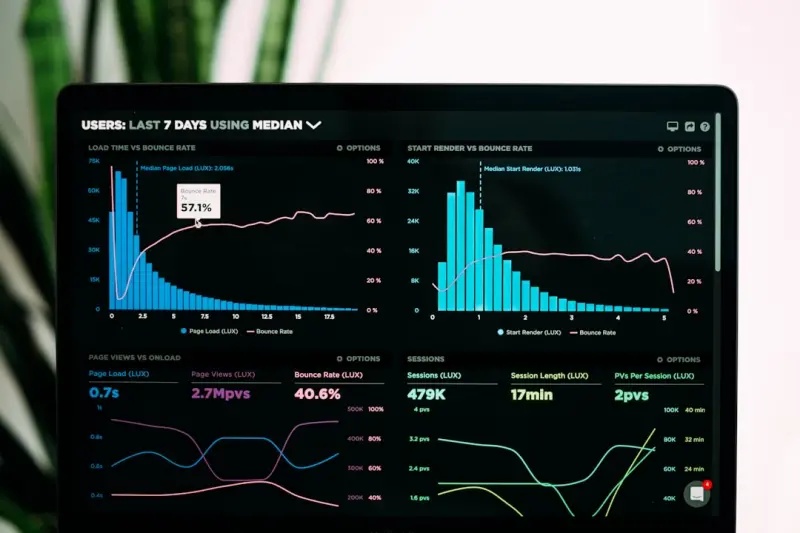
Step 7: Build a “Signal Dashboard” for the Whole Team
SEO is no longer the sole responsibility of the marketing department. Product managers, merchandisers, and engineers all benefit from a shared view of the data. A practical dashboard should include:
- Top 10 product pages by organic revenue (not just traffic).
- Category crawl health (percentage of pages indexed, crawl errors).
- Real‑time Core Web Vitals breakdown by device.
- Backlink acquisition velocity for flagship collections.
- AI‑generated content performance (pre‑ vs post‑rewrite CTR).
When stakeholders can see the impact of their decisions in SEO terms, the entire organization moves toward a “search‑first” culture.
Case Study: Turning a Seasonal Spike into Year‑Round Authority
Here’s a quick illustration from a mid‑size fashion retailer I consulted with last quarter. Their “summer dress” collection saw a massive surge in organic traffic every June, but the surge evaporated by August. By applying a signal‑first approach, we achieved:
- Identified that internal search queries for “maxi summer dress” were high‑intent but landing on generic category pages.
- Created dedicated landing pages for the top 5 query clusters, each with AI‑enhanced copy, schema‑rich reviews, and edge‑cached images.
- Implemented a dynamic breadcrumb structure that surfaced related accessories, boosting average order value by 12%.
- Monitored the new pages via the signal dashboard; within three weeks, organic CTR rose from 1.8% to 4.2%, and the pages retained 70% of the seasonal traffic into the off‑season.
The key takeaway? By listening to the signals that already exist, you can extend a fleeting trend into a sustainable ranking asset.
Future‑Proofing Your eCommerce SEO
The next wave of search will be even more contextual—think visual search, voice assistants, and AI‑driven SERP answers. Preparing now means:
- Optimizing for visual discovery: Tag product images with descriptive filenames, alt text, and
ImageObjectschema. - Voice‑search readiness: Craft concise, question‑style content that answers “What’s the best waterproof jacket for hiking?” directly.
- AI‑generated snippets: Structure content with clear headings and bullet points so that language models can extract and surface the most relevant answer.
When you treat SEO as an ever‑evolving signal processing system, you’re not just reacting to algorithm updates—you’re anticipating them.
Takeaway Checklist
To wrap up, here’s a quick, actionable checklist you can paste into your next sprint:
- Set up a centralized signal dashboard (include product, category, technical, and off‑site metrics).
- Audit and prioritize signal quality: relevance, authority, engagement.
- Implement edge caching and dynamic rendering for faster crawlability.
- Leverage AI for targeted content refreshes on under‑performing pages.
- Integrate user‑generated content with structured data.
- Cross‑reference paid media data to uncover hidden SEO opportunities.
- Share the signal dashboard with product, merch, and engineering teams.
Remember, SEO isn’t a set‑and‑forget tactic; it’s a living signal network that thrives on continuous observation and rapid iteration. Start listening, and your rankings will start responding.

Shawn DesRochers is a certified Microsoft technician and Programmer with 30+ year's experience. He has written many reviews on computer related products, software, and SEO related topics. When he's not writing reviews he can be found at one of the Oldest Directories Online Invision Graphics Directory which he is the CEO of. Shawn is a FULL Stack Web Developer. So if you have a project and need assistance dont hesitate to reach out.
Related Posts

Why Structured Data Is the Secret Weapon for eCommerce SEO
Structured data gives search engines a clear understanding of your products, enabling rich snippets ... Read More
The Untapped Power of Structured Data for eCommerce SEO Success
A deep dive into leveraging structured data, schema markup, and technical SEO tactics to make produc... Read More

Turning Product Schema into a Sales Engine
A practical guide on how eCommerce brands can leverage structured data and rich snippets to dominate... Read More
Top Posts

Rethinking Cloud Hosting: Sustainability, Security, and Sovereignty for Modern SaaS
A deep dive into modern cloud hosting reveals three critical pillars—sustainability, zero‑trust security, and data sovereignty—that SaaS teams must master...Read More

AI‑First SaaS: Embedding Machine Learning for Unmatched Customer Experience
An in‑depth guide on transitioning to AI‑first SaaS, covering business value, architecture, culture, and measurable outcomes for companies ready to embed in...Read More

Reseller Hosting: The Untapped Growth Engine for Modern SaaS Agencies
Reseller hosting can transform a SaaS agency from a cost‑center into a strategic growth platform by fostering a partner ecosystem, automating provisioning, an...Read More

Dedicated Servers: The Unsung Heroes of Modern SaaS Infrastructure
Dedicated servers provide predictable performance, low latency, and compliance advantages that modern SaaS platforms need. Learn how to integrate them with clou...Read More
0 Comments
Post Comment
You will need to Login or Register to comment on this post!