
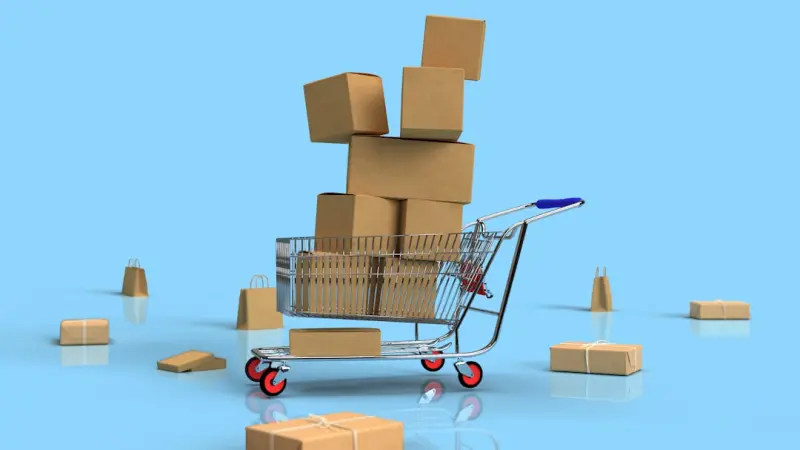
The Cart Abandonment Paradox: Why Shoppers Leave and How You Can Win Them Back
Every e‑commerce operator knows the feeling: you’ve spent weeks perfecting product pages, fine‑tuned ad spend, and yet a staggering 70% of shoppers abandon their carts. It’s a paradox that feels both personal and systemic. The frustration isn’t just about lost sales; it’s about the hidden signals these abandonments send. In my experience, the key isn’t to chase every lost visitor with generic reminders, but to listen—really listen—to the data they leave behind.
From Panic to Insight: What the Numbers Really Say
When I first dove into the analytics of a mid‑size fashion retailer, the surface metrics screamed “checkout friction.” Long forms, slow page loads, and unexpected shipping costs were the usual suspects. But a deeper drill‑down revealed three surprising patterns:
- Micro‑moments of hesitation: Users lingered on the size‑selection widget for an average of 12 seconds before exiting.
- Device‑specific drop‑off: Mobile users abandoned at a rate 15% higher than desktop, not because of speed, but due to a lack of trust signals on the payment page.
- Privacy anxiety: A spike in abandonment correlated with the introduction of a new third‑party tracking script.
These insights told a story that went beyond “make the checkout faster.” They hinted at deeper psychological barriers—uncertainty, lack of confidence, and a feeling of being “watched.” Addressing these required a data‑first, human‑first strategy.
Step 1: Build a Trust‑Centric Checkout
Trust is the silent currency of e‑commerce. When shoppers feel vulnerable, they’ll walk away. Here’s how to embed trust at every stage:
- Visible security badges: Place SSL seals, PCI compliance logos, and payment processor icons prominently, not just in the footer.
- Transparent pricing: Show taxes, duties, and shipping costs early. A small, dynamic banner that updates as users add items can reduce surprise.
- Privacy reassurance: Leverage Data Privacy as a Growth Engine principles. Add a concise privacy notice next to the email field, and let users know exactly how their data will be used.
These adjustments don’t require a full redesign—just a thoughtful re‑placement of existing elements and a few copy tweaks.
Step 2: Personalize Nudges with Behavioral Data
Generic “Your cart is waiting!” emails are dead weight. Instead, use the data points you already have to craft hyper‑relevant reminders:
- Product‑specific triggers: If a shopper lingered on a high‑margin item, send a reminder that includes a limited‑time 10% discount for that exact SKU.
- Contextual timing: Align push notifications with the time of day the user previously browsed—morning for coffee gear, evening for home décor.
- Abandonment reason surveys: A one‑click poll (“Was it price, shipping, or something else?”) embedded in the email can surface hidden friction points.
When the nudge feels like a continuation of the shopper’s journey rather than a cold sales pitch, conversion rates can jump by 20‑30%.
Step 3: Streamline the Checkout Flow with Progressive Web Apps
Speed remains a vital factor, but in the age of PWAs, speed and experience merge. A well‑engineered PWA checkout can:
- Persist cart contents across devices, eliminating the “I added it on my phone, now I’m on desktop” gap.
- Enable one‑tap payment using Apple Pay or Google Pay, shaving seconds off the process.
- Provide offline fallback—if a shopper loses connectivity mid‑checkout, their data is saved and resubmitted automatically.
Implementing a PWA doesn’t mean you have to abandon your existing web stack. Most modern e‑commerce platforms expose APIs that let you layer a lightweight checkout overlay on top of your site.
Step 4: Leverage Sustainable Hosting for Brand Differentiation
Increasingly, shoppers factor a brand’s environmental impact into purchase decisions. While sustainability is often discussed at the corporate level, the Sustainable Cloud Hosting movement offers a tangible way to align your tech stack with eco‑friendly values.
By migrating your checkout infrastructure to a green‑powered cloud provider, you can:
- Reduce carbon emissions associated with each transaction.
- Earn a “green checkout” badge that resonates with eco‑conscious consumers.
- Potentially lower operating costs thanks to the efficiency of modern sustainable data centers.
It’s a win‑win: your bottom line improves while you gain a compelling marketing narrative.
Step 5: Turn Post‑Purchase Into a Retention Engine
Most retailers view the checkout as the end of the funnel. The smartest brands treat it as the beginning of a longer relationship. Here’s how to keep the momentum:
- Instant order confirmation with a personalized thank‑you video or GIF that references the shopper’s name and purchased item.
- Smart cross‑sell in the confirmation email—suggest accessories that complement the bought product, using purchase history to tailor suggestions.
- Community invites: Offer access to a brand‑specific forum or Instagram group where customers can share experiences, ask questions, and feel part of a tribe.
These touchpoints reinforce the purchase decision and increase the likelihood of repeat orders.
Measuring Success: The Metrics That Matter
Implementing the above tactics is only half the battle; you must track the right KPIs to prove ROI:
| Metric | Why It Matters |
|---|---|
| Cart Recovery Rate | Shows how many abandoned carts you’re winning back. |
| Average Order Value (AOV) | Highlights the impact of post‑purchase cross‑sell. |
| Time to Purchase | Indicates friction reduction in the checkout flow. |
| Customer Lifetime Value (CLV) | Measures the long‑term payoff of retention strategies. |
Set a baseline before any changes, run A/B tests on each new element, and iterate based on statistically significant lifts.
Real‑World Example: A Boutique Home‑Goods Store
Let’s walk through a quick case study. A boutique that sells handcrafted décor implemented three of the strategies above:
- Added a trust banner with SSL and privacy statements directly above the payment fields.
- Launched a PWA checkout that saved cart state across devices.
- Shifted their hosting to a renewable‑energy‑powered provider, earning a “Carbon‑Neutral Checkout” badge.
Results after 90 days:
- Cart abandonment fell from 68% to 52%.
- Recovery email conversion rose from 3% to 7% thanks to product‑specific discounts.
- Overall revenue grew 14%, driven largely by higher AOV and repeat purchases.
This example illustrates that even modest, data‑driven tweaks can translate into meaningful top‑line growth.
Putting It All Together: Your 30‑Day Action Plan
Don’t let the breadth of ideas overwhelm you. Here’s a concise roadmap to get started:
- Day 1‑3: Audit your checkout for trust signals and privacy notices.
- Day 4‑7: Implement a simple banner that displays total cost (including shipping) early.
- Day 8‑14: Set up a PWA overlay for the checkout flow; test on both iOS and Android.
- Day 15‑20: Configure personalized recovery emails using your existing marketing automation tool.
- Day 21‑25: Migrate checkout servers to a sustainable cloud provider; add a “green checkout” badge.
- Day 26‑30: Launch a post‑purchase engagement series (thank‑you video, cross‑sell, community invite).
Track the metrics outlined earlier, and you’ll have a clear picture of what’s moving the needle.
Conclusion: Turn Abandonment Into Opportunity
Cart abandonment isn’t a dead‑end; it’s a data goldmine waiting to be mined. By weaving together trust, personalization, progressive technology, and sustainability, you transform a friction point into a revenue catalyst. The journey from “Why did they leave?” to “How can we make them stay?” begins with a single, data‑driven decision. Embrace it, and watch your e‑commerce business evolve from a transaction hub into a lasting relationship engine.

Dale Peterson is a freelance writer with a passion for technology, travel, law and personal finance. With 10 years of experience crafting compelling and informative content, he's dedicated to delivering high-quality writing for Blogging Fusion that engages audiences and achieves specific goals.
Related Posts

From Cart to Community: How Real-Time Personalization Redefines E‑Commerce
Personalization is no longer optional. Discover a practical, privacy‑first approach that uses modu... Read More

Why Sustainable Shipping Is the Next Growth Hack for Online Stores
Sustainable shipping isn’t just good for the planet—it’s a powerful growth engine. Learn actio... Read More

Why Voice Assistants Are the Next Big Sales Channel for E‑Commerce
Voice commerce is reshaping the e‑commerce landscape, offering a frictionless, conversational buyi... Read More
Top Posts

Zero‑Trust for SaaS: Security That Moves at the Speed of Your Product
Zero‑trust turns security into a product feature, not a roadblock. This guide walks through identity‑centric access, micro‑segmentation, policy‑as‑cod...Read More

AI‑Driven WordPress Themes: The Next Frontier in Site Design
AI‑driven WordPress themes automatically adapt layouts, colors, and content hierarchy in real time, delivering faster, more personalized experiences while red...Read More
The Untapped Power of Structured Data for eCommerce SEO Success
A deep dive into leveraging structured data, schema markup, and technical SEO tactics to make product pages stand out in search results and capture more qualifi...Read More

The Hidden Power of Shared Web Hosting for Growing SaaS Startups
Shared web hosting often gets dismissed by SaaS founders, but it offers a low‑cost, secure, and surprisingly performant foundation. This post reveals why itâ€...Read More
0 Comments
Post Comment
You will need to Login or Register to comment on this post!