

When you hear “DevOps” most people picture pipelines, containers, and automation scripts humming in the background. That’s a necessary part of the puzzle, but the real differentiator for high‑velocity SaaS companies today is something less tangible: the experience they give to the people writing the code. I call it Developer Experience (DevEx), and I’m convinced it’s the most strategic lever we have left untouched.
What is Developer Experience, Really?
Developer Experience is the sum of every friction point a software engineer encounters—from the moment they spin up a local environment to the instant a change lands in production. It’s not just about fast CI/CD; it’s about how those pipelines feel, how discoverable internal APIs are, how transparent monitoring is, and how much autonomy engineers have to experiment without fear of breaking the whole system.
Think of DevEx as the ergonomics of a workstation. A well‑designed chair and keyboard won’t magically make you a better programmer, but they’ll keep you focused, reduce fatigue, and let you iterate faster. The same principle applies to the tooling, culture, and processes that surround your code.
Why SaaS Companies Should Care About DevEx
Most SaaS businesses measure success by revenue growth, churn, and feature velocity. Yet these metrics are all downstream effects of the engineering organization’s health. When DevEx is poor, you’ll see:
- Long onboarding cycles for new hires, inflating ramp‑up time.
- Higher “to‑do” debt as developers work around broken pipelines.
- More “fire‑fighting” and less time for innovation.
- Increased turnover, which hurts team continuity and knowledge retention.
Conversely, a high‑quality DevEx creates a virtuous cycle: engineers ship confidently, feedback loops shorten, and product teams can experiment with new ideas faster than competitors.
Core Pillars of a World‑Class DevEx
To move from a “good enough” setup to a truly delightful developer experience, focus on these four pillars:
- Self‑Service Infrastructure: Engineers should be able to provision environments, databases, and feature flags with a few clicks or a single CLI command. Anything that requires a ticket from Ops becomes a bottleneck.
- Observability & Feedback: Real‑time visibility into logs, metrics, and traces should be baked into the daily workflow. When you can see the impact of a change instantly, confidence soars.
- Clear Documentation & Discoverability: Docs that live alongside the code, searchable APIs, and example snippets reduce the “guess‑work” time dramatically.
- Culture of Psychological Safety: Teams must feel safe to push boundaries, roll back, and learn from failures. This cultural layer amplifies the technical investments you make.
Self‑Service Infrastructure: The Backbone of Speed
Imagine a new engineer joins your SaaS product team. In a traditional setup, they’d submit a request to get a dev database, a staging environment, and the appropriate IAM permissions. That could take days. With a self‑service platform, the same engineer runs infra up –env dev and has a fully isolated sandbox in minutes.
This approach is more than convenience; it’s a competitive advantage. It democratizes access to resources, reduces the “gatekeeper” bottleneck, and enables rapid experimentation. Platforms like Terraform Cloud, Pulumi, or internal Kubernetes‑as‑a‑Service (KaaS) solutions can be the foundation, but the key is to hide the complexity behind intuitive interfaces.
When you pair self‑service with multi‑cloud strategy, you also gain resilience. Engineers can spin up resources in the cloud that best fits the workload, whether that’s a GPU‑rich node for AI inference or a cost‑optimized spot instance for batch jobs.
Observability: Turning Metrics into Immediate Insight
Observability isn’t just a monitoring dashboard you glance at when an alert fires. It’s a continuous, real‑time conversation between your code and the team. Tools that integrate tracing, metrics, and logs into the IDE—like OpenTelemetry plugins for VS Code—let developers see the ripple effects of their changes without leaving their editor.
Embedding observability into the CI pipeline can surface performance regressions before they reach production. For example, a performance test that runs on every pull request can automatically annotate the PR with latency graphs. The moment a new change spikes response time, the author gets instant feedback and can address it before merging.
Beyond tooling, adopt an observability‑driven development mindset: write tests that assert on key service‑level indicators (SLIs) and treat those as first‑class citizens alongside unit tests. This shift reduces the “unknowns” that often cause late‑stage bugs.
Documentation That Engineers Actually Use
Most documentation lives in static pages that quickly become out‑of‑date. A better approach is living documentation—auto‑generated API references, markdown files that render directly from the repo, and interactive examples hosted on a playground.
Invest in a searchable portal that surfaces not just the “how‑to” but also the “why.” Include architectural decision records (ADRs) so new hires understand the rationale behind past choices. When you tie docs to the CI pipeline (e.g., a failing lint on a README that’s missing a required field), you keep them fresh automatically.
Cultivating Psychological Safety
All the tooling in the world won’t help if engineers fear the consequences of a mistake. Encourage a culture where failures are treated as learning opportunities. Implement robust chaos engineering practices not to punish, but to surface hidden fragilities before they bite customers.
Key habits include:
- Post‑mortem reviews that focus on system improvements, not blame.
- Feature flagging that lets you roll back instantly without a hot‑fix.
- Blameless on‑call rotations with clear runbooks and support from platform engineers.
When engineers know they can experiment, fail fast, and recover safely, the pace of innovation accelerates dramatically.
Measuring the Impact of DevEx
To justify investment, you need metrics that reflect the health of DevEx. Here are a few you can start tracking:
- Mean Time to First Deploy (MTTFD): How long does it take a new engineer to push their first change?
- Deployment Frequency: Higher frequency often correlates with better DevEx.
- Change Failure Rate: Lower rates suggest safer pipelines and better testing.
- Mean Time to Restore (MTTR): Faster restoration indicates effective observability and rollback mechanisms.
- Developer Satisfaction (NPS): Survey your engineers quarterly; a rising score is a leading indicator of success.
These metrics align closely with the DORA metrics, but you can augment them with qualitative feedback—like “how many clicks to spin up a dev environment?” or “how long does it take to find the right API contract?”
Case Study: Turning DevEx Into a Growth Engine
At a mid‑size SaaS startup I consulted for, the engineering team struggled with long onboarding cycles and frequent “stuck in CI” complaints. By introducing a self‑service portal built on top of Kubernetes and integrating a unified observability stack (Grafana Loki for logs, Tempo for traces, Prometheus for metrics), they cut onboarding time from two weeks to three days.
Simultaneously, they rolled out a feature‑flag service that allowed any engineer to toggle new functionality per environment. The result? Deployment frequency doubled, change failure rate dropped by 40%, and the product team could run A/B experiments without waiting on a release manager.
Most importantly, the engineering NPS jumped from 32 to 68 within six months, translating into higher retention and a measurable boost in quarterly revenue—because faster releases meant more features for customers and less churn.
Practical Steps to Elevate DevEx Today
If you’re convinced that DevEx is worth the focus, here’s a pragmatic roadmap you can start this week:
- Audit the Current Journey: Map out the steps from code commit to production. Identify pain points (e.g., “manual DB migration” or “missing logs”).
- Pick a Quick Win: Automate the most repetitive task—perhaps a script that provisions dev databases.
- Introduce Observability Early: Add a basic tracing library to your services and surface traces in a shared dashboard.
- Document as You Go: Convert one critical service’s README into a live, searchable doc with examples.
- Pilot a Feature‑Flag Service: Start with a low‑risk feature and enable toggling via a simple UI.
- Measure and Iterate: Track the metrics above, gather developer feedback, and iterate on the improvements.
Remember, DevEx is a marathon, not a sprint. Small, consistent upgrades compound into a dramatically smoother workflow.
The Bottom Line
In the crowded SaaS landscape, product differentiation is often touted as the holy grail. Yet the silent engine that powers rapid product iteration is the experience you give your developers. By investing in self‑service infrastructure, observability, living documentation, and a culture of safety, you not only empower your engineers—you create a competitive moat that’s hard for rivals to replicate.
So the next time you hear “DevOps is just automation,” ask yourself: what’s the experience of the people using that automation? If you answer that well, you’ll find your SaaS moving faster, with fewer bugs, and a happier team—exactly the combination that drives sustainable growth.

Alex Moss is a digital marketing professional and SEO consultant, focusing on technical and structural SEO along with product development. With more than six years of experience in various facets of digital marketing, he has assisted brands of all sizes in establishing and enhancing their online presence, as well as fostering increased product loyalty.
Related Posts

Shift‑Left Security: Making Threat Modeling a CI/CD Habit
Shift‑left security moves threat modeling and vulnerability checks to the earliest stages of devel... Read More
Observability‑First Incident Management: Turning Data Into Trust in DevOps
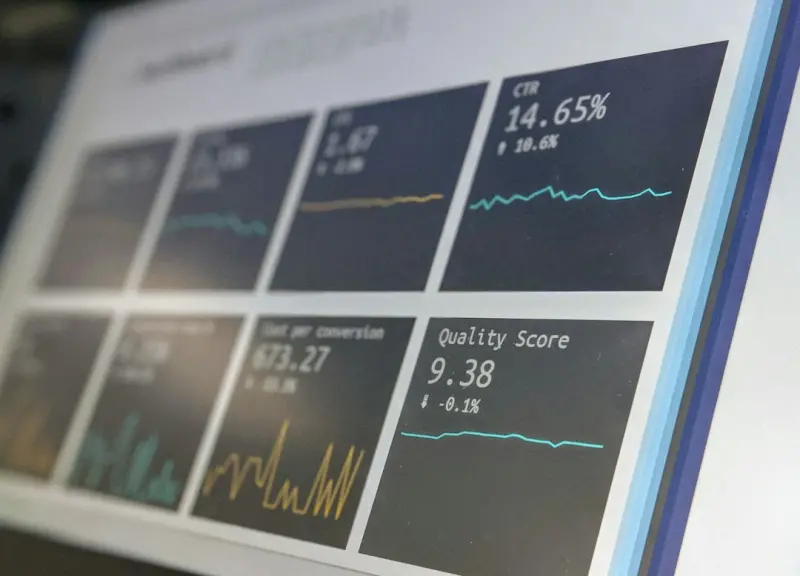
A deep dive into making observability the driving force behind incident management, featuring featur... Read More

AI‑Augmented Incident Management: From Alert Fatigue to Actionable Insight
The post explores how AI can turn chaotic alert streams into actionable insights, outlining practica... Read More
Top Posts

Designing Mobile Web Experiences That Preserve Battery Life
A deep dive into battery‑aware mobile web development, covering measurement, asset loading, service workers, lean JavaScript/CSS, and UI patterns that keep us...Read More

AI‑Powered Cloud Hosting Optimization: Predictive Strategies for SaaS
AI is turning cloud hosting from a reactive expense into a strategic advantage. Learn how predictive scaling, dynamic pricing intelligence, and proactive anomal...Read More

Why Developer Experience Is the Missing Piece in Modern DevOps
A deep dive into why developer experience matters in DevOps, how to measure it, and practical steps to build self‑service platforms, unified portals, and inte...Read More
Performance‑First WordPress Themes: The Hidden Engine Behind Conversions
A performance‑first WordPress theme isn’t just about aesthetics; it’s a revenue‑driving engine. Learn how to build lean markup, integrate CI checks, and...Read More
0 Comments
Post Comment
You will need to Login or Register to comment on this post!