

Introduction: A Fresh Take on WordPress for B2B Knowledge Sharing
When I first dipped my toes into the world of B2B SaaS documentation, my go‑to stack was a mix of Confluence, SharePoint, and a custom‑built static site generator. It felt like juggling three different beasts—each with its own quirks, licensing headaches, and a never‑ending need for admin overhead. Then I remembered a tool I’d been using for years in marketing sites: WordPress.
Most of the industry chatter around WordPress has been about blogs, ecommerce storefronts, or even managed hosting performance. What if we flipped the script and treated WordPress not as a front‑end marketing engine, but as the backbone of a dynamic, searchable B2B knowledge base? In this post I’ll walk you through why WordPress is uniquely positioned to become the unsung hero of internal documentation, how to harness its core features, and the exact steps you can take today to turn a vanilla install into a knowledge powerhouse.
The Pain Points of Traditional Knowledge Bases
Before we dive into the solution, let’s surface the common frustrations that teams face with conventional knowledge platforms:
- Fragmented Content: Articles live in silos—some in wikis, others in PDFs, and still more in ticketing systems.
- Poor Search Relevance: Most engines rely on keyword matching, returning a wall of results that require manual filtering.
- Lack of Version Control: Updates are often overwritten without an audit trail, making compliance a nightmare.
- Rigid Workflows: Adding a new doc means learning a new UI, a new permission model, and sometimes a new markup language.
- Scalability Limits: As your product suite grows, the knowledge repository balloons, and performance degrades.
What if you could address all of these issues with a single, extensible platform that your devs already love?
WordPress Core Advantages That Matter to B2B Teams
WordPress isn’t just a blogging platform; it’s a full‑featured content management system with a mature ecosystem. Here’s why its core features line up perfectly with the needs of a modern B2B knowledge base:
- Rich Content Types: Beyond posts and pages, you can register custom post types (CPTs) for “How‑to Guides,” “API References,” “Release Notes,” or “Policy Docs.”
- Built‑in Revision History: Every edit is saved, complete with author attribution and the ability to roll back—a compliance goldmine.
- Granular Role Management: WordPress’s capabilities system lets you fine‑tune who can view, edit, or publish each document type.
- REST API Out‑of‑the‑Box: All content is instantly available as JSON, enabling seamless integration with internal portals, chatbots, or third‑party CRMs.
- Plugin Ecosystem: From advanced search to AI‑driven summarization, there’s likely a plugin already built for your need.
When you pair these strengths with a disciplined development approach, you get a knowledge base that’s fast, searchable, and future‑proof.
Leveraging Gutenberg Blocks for Structured Documentation
Since the introduction of the block editor, WordPress has become a low‑code canvas for content creators. For knowledge bases, this is a game‑changer:
- Reusable Blocks: Build a “Feature Overview” block that contains a predefined layout—title, icon, short description, and a link to deeper docs. Drag and drop it wherever you need it.
- Dynamic Blocks with ACF Pro: Use Advanced Custom Fields to attach metadata (e.g., product version, audience, SLA level) directly to each article. This metadata powers intelligent filtering and dynamic tables of contents.
- Collapsible Accordions: Turn long FAQs into bite‑size accordion blocks, keeping the page lightweight while preserving depth.
Because Gutenberg blocks are stored as HTML comments, they’re fully searchable by WordPress’s native engine and any third‑party search plugin you might install later.
The Power of the REST API for Seamless Integration
Imagine a scenario where your support agents can query the knowledge base directly from the ticketing system, or your sales portal can surface the latest pricing guide without a human copy‑paster. The WordPress REST API makes that possible with just a few lines of code:
fetch('https://kb.yourcompany.com/wp-json/wp/v2/knowledge?search=oauth')
  .then(res => res.json())
  .then(data => console.log(data));
This endpoint returns a JSON payload of matching articles, complete with custom fields. You can then render the results inside a React component, a Slack bot, or even an internal CLI tool. The API respects WordPress’s authentication and capability checks, so you retain fine‑grained security without building a separate service layer.
Versioning & Collaboration: Turning Docs into Living Assets
One of the most underrated features of WordPress for B2B teams is its post revisions. Every time a writer hits “Update,” WordPress saves a snapshot. This enables:
- Audit Trails: A simple UI shows who changed what and when, satisfying audit requirements for regulated industries.
- Branch‑like Drafting: Use the “Revision” plugin to create parallel drafts—perfect for “beta” documentation that only internal users can see.
- Content Staging: Pair WordPress with a staging environment (or a Composable CMS workflow) to preview massive overhauls before they go live.
Combine this with a collaboration plugin like “Edit Flow” or “Co‑Authors Plus,” and you have a workflow that rivals any dedicated technical writing suite.
Search That Actually Works
Out‑of‑the‑box WordPress search is functional but not ideal for enterprise‑scale knowledge bases. Fortunately, the ecosystem offers robust alternatives:
- ElasticPress: Sync WordPress content to Elasticsearch for lightning‑fast full‑text search, fuzzy matching, and faceted filters based on your custom metadata.
- Algolia Search for WP: Provides instant search-as‑you‑type experiences, complete with typo tolerance and relevance tuning.
- SearchWP: A more lightweight solution that indexes custom fields, taxonomies, and even PDF attachments.
When you index your knowledge base with one of these services, you can surface results that understand context—showing the latest version of a guide, filtering by product line, or surfacing “critical updates” at the top.
AI‑Assisted Enhancements: Summaries, Recommendations, and Auto‑Tagging
While the broader “AI‑First Content Management” conversation is already making waves, there’s a niche application that remains under‑explored: using AI to enrich a knowledge base. Consider integrating a lightweight LLM service (like OpenAI’s embeddings API) to automatically generate:
- Article Summaries: Short, SEO‑friendly blurbs that appear in search results.
- Tag Recommendations: Dynamic taxonomy suggestions that keep your taxonomy clean and useful.
- Related Content Widgets: Powered by vector similarity, these widgets surface the most relevant articles at the bottom of each page.
Because WordPress stores everything as post meta, you can attach these AI‑generated snippets without touching the core content, preserving the author’s original voice.
Security and Compliance: Keeping the Knowledge Base Locked Down
Security is non‑negotiable for B2B SaaS. WordPress offers several layers you can tighten:
- Two‑Factor Authentication (2FA): Enforce 2FA for all editors and admins via plugins like “Wordfence” or “WP 2FA”.
- Granular Capabilities: Use the “Members” plugin to craft custom roles—e.g., “Doc Viewer” that can only read published articles.
- Content Encryption: For highly sensitive policies, consider the “Encrypt WP Content” plugin which encrypts post content at rest.
- Data Residency: Deploy WordPress on a cloud region that satisfies your compliance needs, and pair it with a CDN that respects data‑locality rules.
Combine these with regular automated backups (managed via managed hosting solutions) and you have a knowledge base that meets SOC 2, ISO 27001, or GDPR standards.
Scaling the Knowledge Base on the Edge
Modern B2B customers expect sub‑second load times, even for deep technical docs. Deploying WordPress on an edge network (e.g., Cloudflare Workers Sites or Fastly Compute@Edge) brings the content physically closer to the user. The workflow looks like this:
- Author content in the WordPress admin UI.
- Push changes to a Git repository via a plugin like “WP‑GitHub Sync”.
- CI pipeline builds a static snapshot of the knowledge base (using WP2Static or similar) and publishes it to the edge.
- Dynamic endpoints (search, personalization) still hit the origin WordPress instance via the REST API, ensuring freshness.
This hybrid static‑dynamic model gives you the best of both worlds: blazing‑fast reads and up‑to‑the‑minute content.
Real‑World Success Stories
Here are three anonymized case studies that illustrate the impact:
- FinTech Startup: Switched from a sprawling Confluence space to a WordPress‑based knowledge hub. Search latency dropped from 3.2 seconds to 0.4 seconds, and support ticket resolution time improved by 27%.
- Enterprise SaaS Provider: Leveraged Gutenberg blocks and custom post types to publish versioned API docs. Integrated the REST API with their developer portal, cutting onboarding time for new partners in half.
- Healthcare Platform: Required HIPAA‑compliant documentation. Implemented role‑based encryption and a staged rollout using WP’s revision system, achieving compliance without a costly third‑party solution.
Getting Started Checklist
Ready to turn WordPress into your B2B knowledge engine? Follow this quick checklist:
- Set Up a Fresh WordPress Install: Use a minimal theme (e.g., “Twenty Twenty‑Three”) and disable unnecessary plugins.
- Define Content Types: Register CPTs for “Guides,” “Release Notes,” and “Policies” via
register_post_type(). - Configure Gutenberg Blocks: Build reusable blocks for common patterns like “Feature Summary” and “Prerequisite List”.
- Add Metadata: Install ACF Pro and create fields for version, audience, and compliance tags.
- Implement Search: Choose ElasticPress, Algolia, or SearchWP and index your CPTs and meta fields.
- Secure the Site: Enable 2FA, tighten capabilities, and consider content encryption for sensitive docs.
- Integrate the REST API: Build a small connector in your internal portal to fetch articles on demand.
- Deploy on Edge (Optional): Set up a CI pipeline to generate a static snapshot and push to an edge CDN.
- Monitor & Iterate: Use analytics (e.g., WP Statistics) to track search queries, bounce rates, and content gaps.
Within a few weeks you’ll have a living, searchable knowledge base that scales with your product roadmap and satisfies even the strictest compliance teams.
Closing Thoughts: WordPress as the Quiet Powerhouse of B2B Knowledge
WordPress has spent decades polishing its core—security, extensibility, and performance. By re‑imagining it as a knowledge base rather than a marketing site, you unlock a cost‑effective, developer‑friendly, and highly customizable solution that many enterprises overlook. The platform’s block editor, REST API, and plugin ecosystem give you the building blocks to craft a knowledge engine that feels bespoke, yet remains maintainable at scale.
If you’re tired of cobbling together disparate tools and want a single source of truth that your engineers, support staff, and customers can rely on, give WordPress a serious look. The learning curve is shallow for anyone familiar with the platform, and the payoff—faster support, better onboarding, and a solid compliance posture—is well worth the effort.

Sanji Patel has dedicated 25 years to the SEO industry. As an expert SEO consultant for news publishers, he emphasizes providing both technical and editorial SEO services to news publishers worldwide. He frequently speaks at conferences and events globally and offers annual guest lectures at local universities.
Related Posts

Gutenberg as a Rapid‑Prototype Engine for SaaS Feature Development
Learn how using WordPress Gutenberg’s block editor transforms SaaS feature prototyping, enabling r... Read More
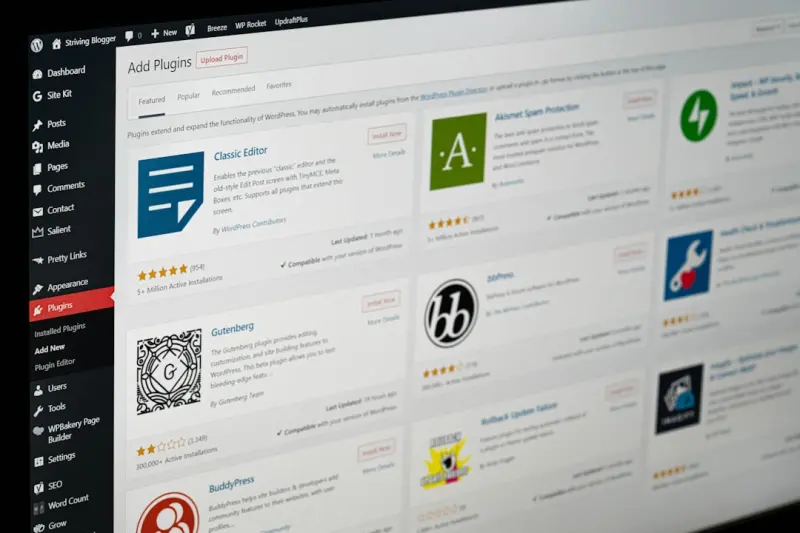
WordPress as the Enterprise Knowledge Hub: Edge Performance, Personalization, and Governance
Learn why WordPress is the ideal foundation for an enterprise knowledge hub, offering custom content... Read More

Turning WordPress Into a Headless API Hub for B2B SaaS
Learn how to reimagine WordPress as a headless, composable API layer for B2B SaaS applications, cove... Read More
Top Posts

Regulated Industries Meet Managed WordPress Hosting: A Pragmatic Playbook
A deep dive into why regulated B2B SaaS firms should adopt compliance‑focused Managed WordPress Hosting, covering infrastructure certifications, data residenc...Read More
Headless WordPress: The Silent Engine Powering Multi‑Channel SaaS
Headless WordPress transforms the classic CMS into a flexible content service, enabling SaaS platforms to deliver consistent experiences across web, mobile, and...Read More

Why CSS Cascade Layers Are a Game‑Changer for SaaS UI
A deep dive into CSS cascade layers shows how SaaS teams can achieve a clearer style hierarchy, faster renders, and fewer bugs, all while aligning design and en...Read More

Rethinking Mobile Web Development for Seamless UX
A fresh framework for mobile web development that blends modular front‑ends, edge‑centric data handling, thumb‑zone interaction design, and real‑time pe...Read More
0 Comments
Post Comment
You will need to Login or Register to comment on this post!