

When I first rolled up my sleeves on an eCommerce site, the mantra was simple: “stuff more keywords on every product page and watch the traffic explode.” Fast‑forward a few releases, a handful of algorithm updates, and a mountain of analytics, and that mantra looks about as useful as a broken checkout button. The reality is that eCommerce SEO has graduated from a keyword‑stuffing sprint to a marathon that blends technical rigor, user intent, and a dash of strategic foresight. In this post I’m pulling back the curtain on a holistic blueprint that goes beyond the obvious and tackles the nuances that separate a store that merely survives in SERPs from one that dominates them.
Why “SEO” Isn’t Just a Checklist Anymore
SEO used to be a checklist of tasks: meta tags, header hierarchy, a few backlinks. Those boxes still matter, but the search engines we’re up against today are more like seasoned shoppers—they understand context, anticipate intent, and reward experiences that feel native to the user journey. If you treat SEO as a series of isolated tasks, you’ll end up with a fragmented site that looks good on paper but falters when a real shopper lands on a product page.
Think of SEO as the scaffolding that supports every touchpoint of the eCommerce funnel. From the moment a user types a query into Google to the point they hit “Place Order,” each step is an opportunity to reinforce relevance, trust, and value. This perspective forces us to ask: are we optimizing for the search engine, or are we optimizing for the shopper’s journey?
Recalibrating Keyword Research for Purchase Intent
The old-school approach of stuffing “red leather boots” into every product description is dead. Modern shoppers are looking for solutions, not just products. This means shifting from generic, high‑volume terms to intent‑driven clusters that map directly to the buyer’s stage.
- Informational Intent: “How to care for leather boots” – great for blog posts that capture early‑stage traffic.
- Transactional Intent: “Buy men’s brown leather boots size 10” – perfect for product page optimization.
- Comparative Intent: “Red leather boots vs suede boots” – ideal for comparison tables or guide pages.
Using tools that surface keyword difficulty alongside purchase intent signals helps you prioritize the low‑hanging fruit that actually converts. The goal is to build a semantic map where each piece of content answers a specific question in the buyer’s mind, leading naturally toward a product page.
Technical Foundations: Speed, Crawlability, and Schema
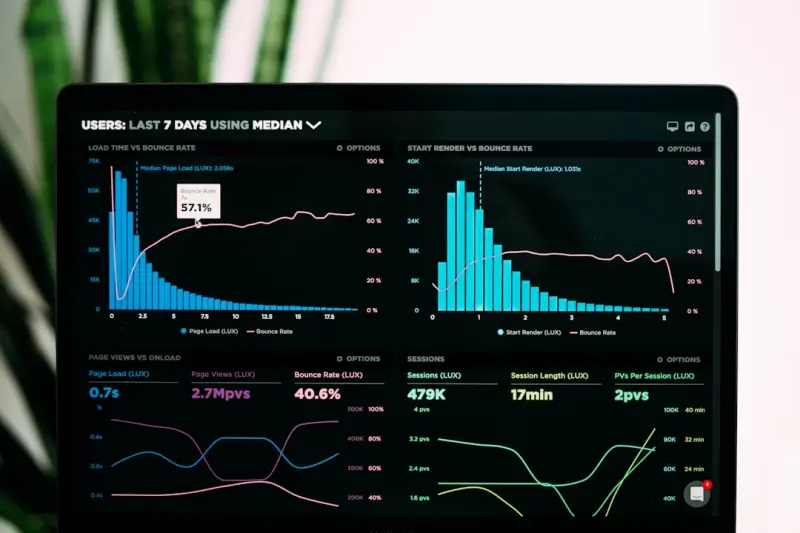
If you’ve ever watched a product page load slower than a dial‑up connection, you know why site speed is a make‑or‑break factor. Not only does a lagging page spike bounce rates, it also sends a negative signal to Google’s ranking algorithms. Here’s a quick technical health check:
- Core Web Vitals: Aim for LCP under 2.5 seconds, FID under 100 ms, and CLS below 0.1. These metrics directly affect rankings and, more importantly, conversion rates.
- Mobile‑First Rendering: Google crawls the mobile version first. Ensure responsive design, avoid hidden content, and serve appropriate image sizes.
- Structured Data: Implement Product, Review, and Offer schema to unlock rich snippets—price, availability, and star ratings—right in the SERP. This can boost click‑through rates dramatically.
- Canonicalization & Pagination: Avoid duplicate content pitfalls by consolidating similar product variations (color, size) under a single canonical URL.
Performance isn’t just about speed; it’s about reliability at scale. If you’re running a headless architecture or leveraging a CDN, consider reading our deep dive on Rethinking Cloud Hosting for tactics that keep your storefront lightning‑fast across the globe.
Content Strategies That Convert, Not Just Rank
Product descriptions are your sales pitch, but they also serve as a prime SEO asset. The sweet spot is a blend of human‑centric storytelling and keyword‑rich copy that satisfies both readers and crawlers.
- Unique, Value‑Focused Descriptions: Avoid boilerplate manufacturer copy. Highlight differentiators—materials, craftsmanship, use‑case scenarios.
- User‑Generated Content (UGC): Reviews, Q&A, and photo uploads add fresh, naturally varied language that search engines love.
- FAQ Sections: Anticipate common questions and answer them in concise, schema‑enabled blocks.
- Long‑Form Guides: “The Ultimate Guide to Choosing Running Shoes” can rank for broader informational queries and funnel traffic to product pages via internal links.
When you combine these content pillars with internal linking, you create a web of relevance that spreads authority throughout your site.
Structured Data: The Unsung Hero of eCommerce Visibility
Beyond the basic Product schema, there’s a treasure trove of markup you can leverage:
- BreadcrumbList: Improves site hierarchy visibility in search results.
- Sitelinks Search Box: Lets users search your catalog directly from the SERP.
- AggregateRating: Shows average star rating, boosting credibility.
- Offer: Displays price, discount, and availability—critical for click‑through.
Implementation can be done via JSON‑LD for ease of maintenance. Test your markup with Google’s Rich Results Test to ensure it’s error‑free. Structured data not only helps rankings; it dramatically improves the quality of traffic by surfacing the most relevant information upfront.
Architecting an Internal Linking Strategy That Feeds Authority
Every internal link is a vote of confidence from one page to another. For eCommerce sites with thousands of SKUs, a strategic internal linking framework is essential to channel link equity to high‑value pages.
- Category to Product: Ensure each product is linked from at least two relevant category pages.
- Related Products Widgets: Dynamically generate “Customers also bought” sections using real purchase data.
- Content to Commerce: Blog posts, buying guides, and how‑to articles should link to product pages using keyword‑rich anchor text.
- Footer & Navigation: Keep navigation shallow; aim for a maximum of three clicks from the homepage to any product.
Consistent internal linking not only improves crawl efficiency but also helps search engines understand topical clusters, boosting the relevance of your entire catalog.
Data‑Driven CRO Meets SEO: The Feedback Loop
Search traffic and conversion performance are two sides of the same coin. Use analytics to identify high‑traffic pages with low conversion rates. Those are prime candidates for CRO experiments—adjusting CTA placement, testing different product images, or tweaking copy.
When a CRO test results in higher conversion, signal that success back to SEO by updating the page’s meta description to reflect the new value proposition. Search engines then serve a richer snippet, potentially increasing click‑through rates even further. This virtuous cycle keeps both traffic and revenue moving upward.
Emerging Trends: AI‑Generated Content and Visual Search
Artificial intelligence is reshaping how we create product descriptions. Large language models can draft baseline copy that you then refine for brand voice—speeding up the time‑to‑publish for large catalogs. The key is to supervise the output: ensure factual accuracy, avoid plagiarism, and inject unique brand personality.
Visual search is another frontier. Shoppers can snap a picture of a product and find similar items on your site. Optimizing for visual search means:
- High‑resolution, alt‑text‑rich images.
- Implementing
imageObjectschema. - Consistent naming conventions for file names (e.g., men‑leather‑boot‑brown‑size10.jpg).
Integrating these signals helps search engines surface your products in image‑based queries, opening a new traffic channel.
Actionable 7‑Step Checklist for an SEO‑Ready eCommerce Store
- Map Intent‑Based Keyword Clusters: Align content types (blog, guide, product) with buyer intent.
- Audit Technical Health: Core Web Vitals, mobile rendering, crawl errors.
- Implement Full‑Stack Schema: Product, Review, Offer, BreadcrumbList, Sitelinks Search Box.
- Revamp Product Copy: Unique descriptions, UGC, FAQ blocks.
- Strategize Internal Links: Category → Product, Content → Commerce, Related Products.
- Set Up CRO Experiments: Test CTAs, images, copy; feed wins back into SEO.
- Future‑Proof with AI & Visual Search: Use AI for bulk copy, optimize images for visual queries.
Tick each box, and you’ll see not just higher rankings but a measurable lift in revenue per visitor. SEO isn’t a vanity metric—it’s a revenue driver when executed with a holistic, shopper‑first mindset.
Wrapping Up: SEO as a Competitive Moat
In the crowded arena of online retail, the stores that win aren’t the ones with the flashiest designs or the deepest discount codes. They’re the ones that make it effortless for shoppers to discover, evaluate, and purchase—right from the search results. By treating SEO as a strategic layer that intertwines technical excellence, content relevance, and conversion insight, you turn search into a sustainable moat rather than a fleeting traffic source.
If you’re curious about how emerging channels like voice impact the eCommerce funnel, take a look at our exploration of Voice‑First Shopping. It offers a glimpse into how search experiences evolve and how you can stay ahead of the curve.
Remember: SEO is a marathon, not a sprint. Keep iterating, stay data‑driven, and let the shopper’s journey guide every optimization. The payoff? Consistent, high‑quality traffic that translates into loyal customers and a healthier bottom line.

Brian LeBlanc is a front-end web developer, UX designer, and web application developer with experience building scalable, user-friendly digital solutions.Holding a degree from University, he specializes in leveraging a wide array of modern languages, frameworks, and tools—such as JavaScript/ES6, HTML5/CSS3, PHP, and responsive interface design—to create efficient applications that simplify user experiences.
Related Posts
Unlocking the Power of Structured Data for eCommerce SEO Dominance
This guide reveals why structured data is essential for eCommerce SEO, details the key schema types ... Read More

How Customer Q&A Can Supercharge Your eCommerce SEO
Customer questions are a goldmine for SEO. This guide shows how to capture, answer, and optimize Q&A... Read More

Turning Product Schema into a Sales Engine
A practical guide on how eCommerce brands can leverage structured data and rich snippets to dominate... Read More
Top Posts
Modular Block‑Based Themes: Future‑Proofing WordPress Design
Discover why modern block‑based themes are the foundation for a fast, collaborative, and future‑ready WordPress site, with practical tips and a proven workf...Read More

Why Voice Search Is the Quiet Revolution eCommerce SEO Can’t Ignore
Voice search is rapidly changing how shoppers find products. Learn practical steps—from keyword clustering to structured data—to dominate the spoken search ...Read More

WebAssembly: The Performance Secret SaaS Front‑Ends Are Missing
WebAssembly offers SaaS teams a practical way to offload heavy computations to a near‑native runtime, delivering faster, smoother user experiences while fitti...Read More

White‑Label Reseller Hosting: Building a Branded Cloud Experience
White‑label reseller hosting lets SaaS firms brand the entire hosting experience, offering customers a seamless, reliable platform while generating new revenu...Read More
0 Comments
Post Comment
You will need to Login or Register to comment on this post!