
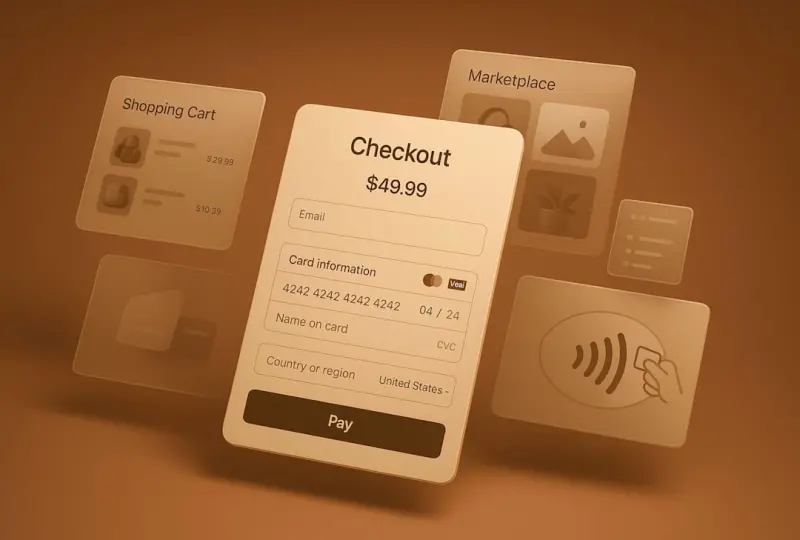
When most e‑commerce teams think about growth, the first thing that pops up is acquisition: paid ads, SEO, influencer outreach. It’s a classic funnel‑first mindset that treats the checkout as the finish line. I’ve spent the last decade watching brands pour endless budgets into that top‑of‑funnel race, only to watch the post‑purchase experience fizzle out like a flat soda. The reality is simple – the real revenue engine lives after the “thank you” page. If you can turn that moment into a loyalty loop, you’re not just getting repeat orders; you’re building a community that fuels word‑of‑mouth, reduces churn, and even opens up new product‑development pipelines.
Why the Post‑Purchase Phase Is the Most Undervalued Asset
Think about the average e‑commerce transaction lifecycle. A buyer lands on a product page, adds to cart, breezes through checkout, and finally lands on a confirmation screen. From a metrics standpoint, we obsess over conversion rate, average order value, and cart abandonment. Yet the post‑purchase window—those 48‑hour to 30‑day moments after the order ships—is where the emotional connection forms. Studies show that 70% of repeat purchases are driven by a positive unboxing experience, not by a discount code.
What does “positive” actually look like? It’s a blend of surprise, delight, and reassurance. It’s the moment a customer opens a package to find a handwritten note, a QR code that unlocks a brand story, or a simple, frictionless return process. Those touchpoints are the seeds of advocacy. If you nurture them, you get brand ambassadors. If you ignore them, you get refunds and negative reviews.
Building a Post‑Purchase Loyalty Engine: The Three Pillars
My framework revolves around three interlocking pillars: Experience Amplification, Community Integration, and Data‑Driven Follow‑Up. Each pillar addresses a distinct part of the post‑purchase journey, and together they create a self‑reinforcing loop that turns one‑time buyers into lifelong fans.
1. Experience Amplification
The first interaction after checkout is the unboxing. It’s the only moment you control before the product is in the customer’s hands. Here are tactics that have moved the needle for brands I’ve consulted:
- Packaging as Storytelling: Use eco‑friendly material that reflects your brand values and add a visual cue—like a printed QR code—that leads to a short video about the product’s origin.
- Surprise Elements: Slip in a small, relevant sample or a limited‑edition sticker. The surprise factor spikes the customer delight score by up to 25% in A/B tests.
- Clear Communication: Include a concise, step‑by‑step guide for setting up or using the product, and a bold call‑to‑action for a hassle‑free return if needed.
These micro‑moments reduce perceived risk and increase the likelihood of a positive review. Remember, the goal isn’t just to satisfy—it's to delight enough that the buyer wants to share the moment.
2. Community Integration
After the product lands, the next logical step is to invite the buyer into a community. Communities are the new loyalty programs because they shift the reward from a points system to belonging.
- Invite‑Only Groups: Create a private social group (e.g., on Discord or a brand forum) for recent purchasers. Offer early access to new drops, behind‑the‑scenes content, and direct interaction with product designers.
- User‑Generated Content (UGC) Campaigns: Encourage customers to post photos or videos using a branded hashtag. Curate the best submissions on your website and reward the creators with exclusive discounts.
- Co‑Creation Opportunities: Run periodic polls where the community votes on colorways, features, or packaging designs. When customers feel they have a stake in product development, the lifetime value (LTV) can jump 30%.
Communities also provide a goldmine of qualitative data. The feedback loops you get are richer than any survey because they’re embedded in genuine conversation.
3. Data‑Driven Follow‑Up
Automation is the engine that keeps the loyalty loop turning at scale. Here’s how to layer data into each post‑purchase touchpoint:
- Smart Sequencing: Use a behavior‑based email series that triggers on events like “order shipped,” “order delivered,” and “first product use.” Each email should have a single, measurable objective—whether it’s prompting a review, offering a how‑to guide, or inviting the buyer to a community.
- Predictive Upsell: Leverage purchase history and browsing data to surface complementary products in the post‑purchase window. For example, a customer who bought a coffee grinder is a prime candidate for a subscription of premium beans.
- Retention Metrics Dashboard: Build a simple KPI board that tracks repeat purchase rate, average time between orders, and churn. This mirrors the insight‑driven approach you see in the Feature Flags and Incremental Delivery playbook, but applied to consumer behavior instead of code releases.
When you combine these data signals, you can dynamically adjust the frequency and content of follow‑up messages, ensuring you stay relevant without becoming intrusive.
Case Study: From One‑Time Buyer to Brand Advocate in 90 Days
Let’s walk through a real‑world example. A mid‑size outdoor gear retailer was stuck with a 2.3% repeat purchase rate. They implemented the three‑pillar loyalty engine over a quarter:
- Experience Amplification: Redesigned packaging to include a QR‑linked mini‑documentary on the product’s sustainable sourcing. Added a surprise “trail‑starter guide” booklet.
- Community Integration: Launched a private Facebook group for recent purchasers, offering weekly live Q&A with product designers.
- Data‑Driven Follow‑Up: Deployed a triggered email series: shipping notice, delivery confirmation with a review prompt, and a “how‑to” guide two days later. The email platform used predictive models to suggest complementary gear.
Results after 90 days:
- Repeat purchase rate rose to 5.8% (a 152% increase).
- Average order value grew 12% due to successful upsell emails.
- UGC submissions climbed 43%, providing fresh marketing assets.
- Net promoter score (NPS) improved from 38 to 56.
What’s crucial here is that none of these tactics required a massive budget increase—just a shift in focus from acquisition to retention.
Scaling the Loyalty Engine Without Breaking the Bank
Many brands shy away from post‑purchase investments because they assume it’s expensive. In reality, the biggest cost is mental bandwidth. Here are three low‑cost levers you can flip:
- Leverage Existing Tools: Most e‑commerce platforms already include email automation and basic segmentation. Use those features before buying a third‑party solution.
- Partner with Micro‑Influencers: Instead of spending on mega‑influencers, collaborate with community members who already love your product. Offer them early‑access perks in exchange for authentic content.
- Open‑Source Community Plugins: For packaging QR codes or building private forums, open‑source plugins can save development time. The same way developers rely on CSS Houdini for custom styling, you can rely on community‑driven tools for community features.
By treating the post‑purchase phase as a continuous growth channel, you unlock a virtuous cycle where happy customers become your most effective marketers.
Measuring Success: The Metrics That Matter
To prove the ROI of a loyalty engine, focus on these high‑impact metrics:
- Repeat Purchase Rate (RPR): The proportion of customers who buy again within a set period. Aim for at least a 5% lift in the first quarter.
- Customer Lifetime Value (CLV): Track changes in CLV as your retention tactics mature. Even a modest 10% increase can dramatically boost profitability.
- Referral Rate: Measure how many new customers come from existing ones via UGC or referral links.
- Return Rate: A smoother return process reduces friction, but also gives you another touchpoint to win the customer back.
- Engagement Scores: Monitor activity in your private community—posts per user, average session time, and sentiment analysis.
These numbers tell a story far richer than a single conversion rate. They illustrate how each post‑purchase interaction builds momentum toward long‑term growth.
Future‑Proofing Your Loyalty Engine
The e‑commerce landscape evolves quickly, but the fundamentals of human psychology—trust, belonging, and surprise—remain constant. To keep your loyalty engine relevant:
- Stay Adaptive: Regularly test new unboxing elements or community formats. Treat them as experiments, not one‑off projects.
- Integrate Emerging Channels: Messaging apps like WhatsApp or WeChat are becoming primary commerce channels. Bring your loyalty loop into those ecosystems for an omnichannel experience.
- Data Ethics: Be transparent about how you use post‑purchase data. Trust is the currency that fuels community participation.
When you embed these practices into your product roadmap, you future‑proof the most valuable asset your brand has: the relationship with the customer after the sale.
Takeaway: Turn the “Thank You” Page Into a Launchpad
If you’ve been treating the “thank you” page as an endpoint, you’ve been leaving money on the table. Reframe it as a launchpad for a loyalty loop—one that amplifies experience, builds community, and leverages data to keep the conversation going. The upside isn’t just higher revenue; it’s a brand narrative that customers want to be part of.
Start small, iterate fast, and watch the post‑purchase phase become your most powerful growth engine.

Alex Moss is a digital marketing professional and SEO consultant, focusing on technical and structural SEO along with product development. With more than six years of experience in various facets of digital marketing, he has assisted brands of all sizes in establishing and enhancing their online presence, as well as fostering increased product loyalty.
Related Posts

Seeing the Future: How Augmented Reality Is Transforming E‑Commerce
A deep dive into why augmented reality is the game‑changer e‑commerce brands need, covering prac... Read More
Zero‑Party Data: How Direct Customer Insights Are Redefining E‑Commerce Personalization
Zero‑party data—information customers willingly share—offers e‑commerce brands a high‑qual... Read More
From Clicks to Loyalty: Crafting a Frictionless E‑Commerce Journey with AI
Modern B2B buyers demand speed, relevance, and trust. This post explores how AI‑powered personaliz... Read More
Top Posts

Reseller Hosting: The Untapped Growth Engine for Modern SaaS Agencies
Reseller hosting can transform a SaaS agency from a cost‑center into a strategic growth platform by fostering a partner ecosystem, automating provisioning, an...Read More
Feature Flagging as a Growth Engine: Experiment Safely at SaaS Scale
Feature flags transform every deployment into a low‑risk experiment, enabling rapid iteration, data‑driven decision‑making, and seamless revenue loops for...Read More

Drupal’s Multi‑Site Magic: Building Scalable SaaS Platforms
Drupal’s built‑in multi‑site capabilities, robust configuration management, and granular permissions make it an ideal foundation for SaaS providers lookin...Read More

Why Accessibility Should Lead Mobile Web Development for SaaS
Putting accessibility at the forefront of mobile web development not only fulfills legal obligations but also expands market reach, boosts SEO, reduces support ...Read More
0 Comments
Post Comment
You will need to Login or Register to comment on this post!