

Why Feature Flags Are the Unsung Heroes of Full‑Stack Development
When I first started shipping SaaS products, I thought the biggest challenge was choosing the right stack. Years later, I’ve learned that the real differentiator is how you release code, not just what code you write. Feature flags—those tiny toggles that let you flip functionality on or off—have quietly become the backbone of modern full‑stack teams. They let us iterate faster, mitigate risk, and keep product roadmaps fluid without sacrificing stability.
The Evolution From Branch‑Based Deploys to Flag‑First Workflows
In the early days, developers relied on long‑lived branches and massive release windows. A single merge could break the entire system, and hot‑fixes often turned into all‑night firefights. The shift toward continuous integration and delivery (CI/CD) mitigated some pain, but the underlying problem persisted: code was still coupled to deployment cycles. Feature flags break that coupling. By embedding conditional logic directly in the codebase, you gain the ability to ship incomplete or experimental features behind a switch, exposing them only to internal users or a subset of customers.
How Flags Empower Both Front‑End and Back‑End Teams
Full‑stack development isn’t just about a single language or framework; it’s about aligning the UI, API, and data layers around a shared delivery cadence. On the front end, flags enable design tokens to be rolled out gradually, allowing designers to iterate on brand palettes or component styles without forcing a full UI refresh. On the back end, they allow API versioning strategies to coexist, letting you expose new endpoints to a pilot group while the majority of users continue on the stable contract. This duality creates a seamless experience for both engineers and end users.
Implementing a Flag‑First Architecture: Tools and Best Practices
There are countless flag management platforms, but the principles remain the same:
- Centralize flag definitions. Keep a single source of truth—often a JSON or YAML file stored in version control—so that flags are discoverable and auditable.
- Scope flags wisely. Use environments (dev, staging, prod), user segments, or even geographic regions to target releases.
- Make flags first‑class citizens. Treat them like any other piece of configuration: version them, document them, and enforce retirement policies.
- Guard against flag debt. Regularly prune flags that have become permanent; otherwise, you’ll end up with a tangled web of dead code.
From a technical standpoint, I recommend wrapping flag checks in lightweight helper functions. In a TypeScript codebase, this could look like:
export const isFeatureEnabled = (key: FeatureFlag) => {
  return process.env.FEATURE_FLAGS?.[key] === 'true';
};
On the front end, a React hook such as useFeatureFlag can subscribe to changes in real time, allowing UI components to re‑render instantly when a flag flips in production.
Testing Strategies That Keep Flags Honest
One of the biggest pitfalls is assuming a flag works because the “on” path passes tests. In reality, you must test both sides of every flag. This means:
- Unit tests that mock the flag value both true and false.
- Integration tests that validate end‑to‑end flows with the flag toggled.
- Canary releases that expose a small percentage of real users to the new path, feeding telemetry back into your monitoring stack.
Speaking of monitoring, observability in Node.js becomes crucial when you’re toggling features at scale. Instrument each flag with custom metrics—like featureX_enabled_requests_total—so you can detect anomalies the moment a flag goes live.
Feature Flags Meet Edge Compute: A Powerful Combination
While many teams think of flags as a back‑end concern, the rise of edge runtimes has opened new possibilities. Imagine a global CDN that evaluates a flag at the edge, serving different HTML fragments or API responses based on the user’s region. This reduces latency and offloads decision‑making from your origin servers. For teams already leveraging JavaScript at the edge, integrating flag evaluation into edge functions can be as simple as injecting a JSON payload during the build step.
Real‑World Case Study: Scaling a SaaS Dashboard Without Downtime
At a recent project, my team needed to rewrite a legacy analytics dashboard using a modern React stack and a GraphQL API. The rewrite was massive—new data models, revamped UI, and performance optimizations. Rather than a big‑bang release, we introduced the new dashboard behind a feature flag called newDashboardV2. We rolled it out in stages:
- Internal beta. Only engineers and product managers saw the new UI.
- Alpha customers. A handful of power users were invited to test the new features.
- Full production. After monitoring error rates and performance metrics, we flipped the flag for everyone.
The result? Zero downtime, a smooth migration, and valuable user feedback that informed UI tweaks before the full launch. The flag also allowed us to keep the old dashboard operational as a fallback, giving us confidence to push aggressive performance improvements.
Balancing Speed and Safety: The Role of Feature Toggles in Incident Response
When an issue surfaces in production, the fastest mitigation is often to turn off the offending feature. With a robust flag system, you can roll back changes in seconds, avoiding full redeploys. This capability is especially valuable in micro‑service architectures where multiple services may depend on a single feature flag. By propagating the flag state through a central configuration service, you ensure consistent behavior across the entire stack.
Future Trends: Dynamic Flags Powered by Machine Learning
Looking ahead, I see a convergence of feature flags with AI-driven decision engines. Instead of manually segmenting users, a model could evaluate real‑time signals—like engagement metrics or device health—and toggle features automatically. This would create hyper‑personalized experiences while still giving engineers the safety net of a flag. The key will be maintaining transparency; every automatic toggle should emit logs that can be audited.
Getting Started: A 5‑Step Checklist for Your Team
If you’re ready to adopt a flag‑first mindset, follow this quick checklist:
- Pick a flag management solution. Open‑source (e.g., Unleash) or SaaS (e.g., LaunchDarkly).
- Define a naming convention. Consistency aids discoverability (e.g.,
ui_darkMode,api_betaEndpoint). - Integrate flag checks into CI pipelines. Fail builds if new flags lack documentation.
- Instrument flag metrics. Use your existing observability stack to track usage and errors.
- Establish a flag retirement policy. Schedule quarterly reviews to delete stale flags.
Adopting these practices will transform how your full‑stack team ships value—turning releases from high‑risk events into a smooth, controlled flow.
Conclusion: Flags Are Not a Gimmick, They’re a Core Architectural Pattern
Feature flags have graduated from “nice to have” to “must have” for any serious full‑stack development effort. They empower teams to ship faster, test smarter, and respond to incidents with surgical precision. By embedding flags throughout the stack—from UI components powered by design tokens to edge‑evaluated JavaScript—you create a resilient, adaptable product that can evolve at the pace of your market.

Dale Peterson is a freelance writer with a passion for technology, travel, law and personal finance. With 10 years of experience crafting compelling and informative content, he's dedicated to delivering high-quality writing for Blogging Fusion that engages audiences and achieves specific goals.
Related Posts

Edge‑First Full‑Stack: Turning the CDN into Your Backend
The post explains why moving authentication, feature‑flag checks, and static data to the CDN’s e... Read More

Why Monorepos Are the Secret Weapon for Modern Full-Stack Teams
A monorepo consolidates UI libraries, APIs, shared utilities, and infrastructure into a single repos... Read More
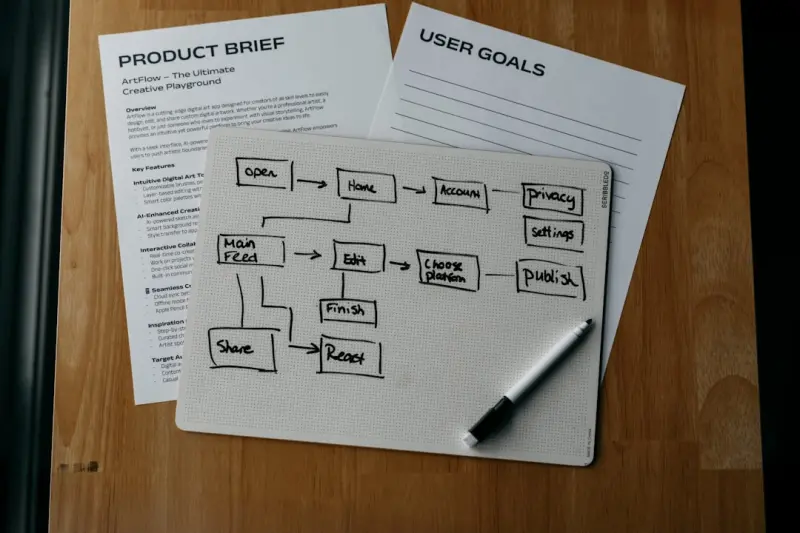
Full‑Stack Development as a Continuous Product Journey
Treat your entire tech stack as a living product—aligning roadmap, observability, and developer ex... Read More
Top Posts
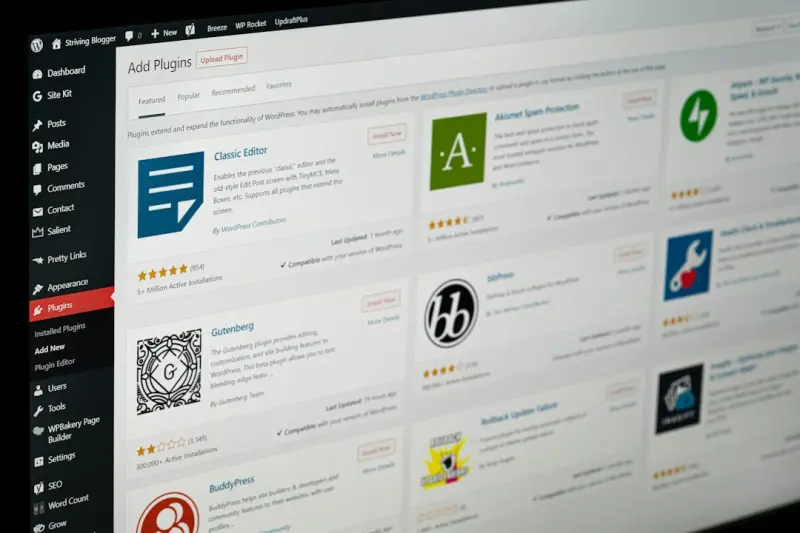
Managed WordPress Hosting: The Enterprise API Engine You’ve Been Overlooking
Managed WordPress hosting turns WordPress into a reliable API engine, delivering performance, security, and compliance for enterprise headless deployments....Read More

Headless Commerce: Unlocking Real‑Time Personalization for B2B Growth
A deep dive into why headless commerce is the catalyst for B2B e‑commerce success, covering API‑first architecture, real‑time personalization, edge perfor...Read More

Why SaaS Companies Must Upgrade to a Content Operations Platform
A modern content operations platform turns fragmented SaaS content into a strategic asset, delivering AI‑enhanced authoring, robust governance, and seamless o...Read More

Designing WordPress Themes for Speed, Accessibility, and Future‑Proof Flexibility
A practical guide to building WordPress themes that prioritize performance, accessibility, and modular architecture, ensuring they stay fast and adaptable as th...Read More
0 Comments
Post Comment
You will need to Login or Register to comment on this post!