
Understanding the New SEO Landscape for Online Stores
When I first helped a boutique apparel shop break into the top ten results for “hand‑crafted sweaters,” the tactics were straightforward: keyword stuffing, a handful of backlinks, and hoping Google would notice. Fast forward a few product cycles and the same playbook would barely get the site noticed. The algorithms that decide which eCommerce pages earn prime real‑estate on the SERP have evolved into a sophisticated blend of intent detection, user‑experience metrics, and AI‑driven content relevance.
Why a Holistic, Data‑First Mindset Beats Isolated Hacks
Most SEO guides still preach “focus on the keyword,” but that mindset is akin to polishing a single gear while ignoring the engine. In a competitive online store, every touchpoint—from the product title to the checkout flow—contributes to a cumulative ranking signal. A data‑first approach means treating SEO not as a series of isolated tweaks but as a continuous feedback loop that informs product strategy, inventory decisions, and even pricing.
1. Intent‑Rich Keyword Research Goes Beyond the Search Box
Traditional keyword tools still have value, yet they often surface generic terms that lack purchase intent. Modern eCommerce SEO starts with search intent mapping:
- Transactional intent: Phrases like “buy organic cotton pajamas” or “discounted running shoes size 10.”
- Informational intent: Queries such as “how to choose a yoga mat” or “best materials for outdoor jackets.”
- Comparative intent: Searches like “Brand X vs Brand Y smartwatch.”
By categorizing keywords into these buckets, you can design content that meets shoppers exactly where they are in the purchase journey. The result is higher click‑through rates, lower bounce rates, and stronger conversion signals that search engines love.
2. Structured Data Is No Longer Optional
Search engines now expect product pages to speak the same language they use internally. Implementing schema.org markup for products, reviews, and offers unlocks rich snippets—price, availability, star rating, and even “buy now” buttons directly in the SERP. A well‑structured product page can increase organic click‑through by up to 30%.
Key markup elements include:
Product– name, brand, SKU, and category.Offer– price, currency, availability, and sale price.AggregateRating– average rating and review count.Review– individual user reviews with author and date.
Don’t forget the newer FAQ and HowTo types. They let you surface common shopper questions right under your product listing, pulling extra traffic from long‑tail queries.
3. Core Web Vitals and Mobile‑First Indexing Are Deal‑Breakers
Google’s shift to mobile‑first indexing means the mobile version of your site is the primary source for ranking. Core Web Vitals—Largest Contentful Paint (LCP), First Input Delay (FID), and Cumulative Layout Shift (CLS)—are now explicit ranking factors.
For an eCommerce site, this translates to:
- Optimizing image delivery with modern formats (WebP, AVIF) and responsive src‑set attributes.
- Leveraging lazy loading for below‑the‑fold content while ensuring above‑the‑fold assets load under 2.5 seconds.
- Minimizing layout shift by reserving space for dynamic elements like “Add to Cart” buttons.
- Implementing a robust CDN to serve assets from edge locations closest to the shopper.
When you combine these technical upgrades with a streamlined checkout flow, you not only satisfy Google but also reduce cart abandonment—a double win.
4. Content Clusters Turn Product Pages Into Authority Hubs
One of the most underrated SEO tactics for online retailers is the content cluster model. Instead of creating isolated blog posts, build a pillar page that addresses a broad topic (e.g., “The Ultimate Guide to Home Office Ergonomics”). Then, link out to supporting articles that dive deep into sub‑topics like “adjustable standing desks,” “best ergonomic chairs for back pain,” and “monitor riser reviews.”
Each supporting article links back to the pillar, and the pillar links to the relevant product pages. This internal linking structure distributes link equity throughout the site, signals topical relevance, and helps Google understand the relationship between informational content and commercial intent.
5. User‑Generated Content (UGC) Fuels Freshness and Trust
Search engines love fresh, authentic content. Encouraging customers to leave reviews, post photos, and answer questions creates a steady stream of new signals without requiring you to produce every word.
- Display reviews prominently on product pages—Google can crawl them as part of the
Reviewschema. - Allow customers to upload images; these can be indexed as
ImageObjectand appear in Google Images. - Enable Q&A sections; each question and answer can be marked up with
QuestionandAnswerschema.
Beyond SEO, UGC builds social proof, which directly boosts conversion rates. A balanced approach that moderates spam while celebrating genuine voices is essential.
6. Video SEO: Product Demos and Shoppable Videos
Video consumption has exploded, and Google now surfaces video results alongside traditional listings. Adding short, high‑quality product demos can capture shoppers who prefer visual learning.
Best practices for video SEO include:
- Hosting videos on a fast, reliable platform (e.g., self‑hosted on your CDN or a reputable third‑party that allows schema markup).
- Providing a detailed transcript—this gives Google additional textual content to index.
- Adding
VideoObjectschema with duration, thumbnail, and upload date. - Embedding a shoppable overlay or linking directly to the product page in the video description.
These tactics not only improve rankings in video‑specific SERPs but also increase on‑page dwell time, a key engagement metric.
7. Leveraging AI for Dynamic Keyword Expansion
Artificial intelligence tools can now analyze search trends, competitor pages, and consumer reviews to surface hidden keyword opportunities. Rather than manually brainstorming, feed your top‑selling product descriptions into an AI model and let it suggest semantic variations that match emerging shopper language.
When you combine AI‑generated insights with manual validation, you create a dynamic keyword pool that evolves with the market—keeping your catalog optimized for both current and future queries.
8. Building an data‑driven insight Loop Across Teams
SEO should not sit in a silo. By integrating analytics, product management, and marketing, you can close the loop between search performance and business outcomes. For example, if you notice a spike in organic traffic for a specific product category, you can:
- Alert the inventory team to ensure stock levels can meet demand.
- Notify the pricing team to evaluate whether a promotional discount could amplify the momentum.
- Trigger the email‑marketing system to send a personalized offer to shoppers who visited the page but didn’t convert.
This collaborative framework turns raw traffic numbers into actionable business decisions, reinforcing the ROI of SEO investments.
9. Running Safe Experiments to Validate Changes
Every time you tweak a meta title, restructure a URL, or add a new schema field, you should measure impact before fully rolling it out. A/B testing platforms designed for eCommerce let you serve different SEO variations to subsets of users and capture metrics like organic CTR, bounce rate, and conversion.
By run safe experiments you protect the site’s existing traffic while gaining confidence that a change will produce measurable gains.
10. International SEO: Preparing for Global Expansion
If you plan to sell beyond your home market, you need to think about language, currency, and local search behavior. Key steps include:
- Implementing
hreflangtags correctly to signal language and regional targeting. - Hosting localized versions of product pages on country‑specific subdomains or subfolders.
- Adapting keyword research to reflect local search habits—what works in one market may not in another.
- Ensuring payment gateways, shipping options, and tax calculations are accurate for each locale.
International SEO is a long‑term commitment, but the payoff is a diversified revenue stream that isn’t tied to a single market’s fluctuations.
11. The Role of Structured Navigation and Breadcrumbs
Clear site architecture helps both users and crawlers understand the hierarchy of your catalog. Breadcrumb trails not only improve UX but also appear in search results as navigational links, giving shoppers a sense of context before they click.
Best practices include:
- Limiting breadcrumb depth to three or four levels to avoid overly long paths.
- Marking up breadcrumbs with
BreadcrumbListschema for enhanced SERP display. - Ensuring each level of the breadcrumb is a live, crawlable page—not a dead‑end or JavaScript‑only link.
12. Monitoring and Adapting to Algorithm Updates
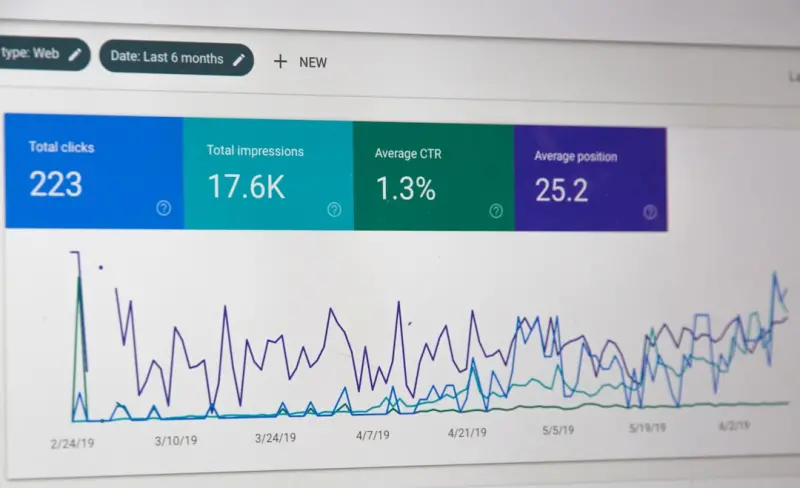
Google rolls out core updates several times a year. While you can’t predict the exact focus of each change, you can safeguard your site by adhering to core SEO principles: high‑quality content, fast loading times, mobile friendliness, and transparent data markup. Set up alerts in Google Search Console for sudden drops in impressions or clicks, and cross‑reference those with any known algorithm announcements.
Putting It All Together: A Sample Action Plan
To illustrate how these pieces fit, here’s a 90‑day roadmap for a mid‑size fashion retailer:
- Week 1‑2: Conduct an intent‑rich keyword audit; categorize terms into transactional, informational, and comparative buckets.
- Week 3‑4: Implement full product schema markup, including FAQ and How‑To types for top‑selling items.
- Week 5‑6: Optimize Core Web Vitals—compress images, enable lazy loading, and switch to a CDN.
- Week 7‑8: Launch a content cluster around “Sustainable Fashion,” linking blog posts to category and product pages.
- Week 9‑10: Add a UGC platform that collects reviews and photos, then markup these with schema.
- Week 11‑12: Produce three short product demo videos, add transcripts, and apply VideoObject schema.
- Week 13‑14: Set up AI‑driven keyword suggestion workflow; integrate suggestions into product copy.
- Week 15‑16: Deploy a testing framework to experiment with meta titles and structured data variations.
- Week 17‑18: Expand to two new markets, configure hreflang, and translate core landing pages.
- Week 19‑20: Review analytics, adjust the roadmap based on performance data, and repeat the cycle.
Following a disciplined, data‑centric process turns SEO from a series of guesswork tactics into a growth engine that scales with your product catalog.
Final Thoughts
eCommerce SEO is no longer a set‑and‑forget checklist. It’s an ongoing conversation between search algorithms, shopper expectations, and your business objectives. By adopting a holistic, data‑first mindset, you give your store the agility to respond to algorithmic shifts, market trends, and the ever‑evolving ways consumers discover products online. The payoff is more than higher rankings—it’s a sustainable pipeline of qualified traffic that translates into real revenue.

Dale Peterson is a freelance writer with a passion for technology, travel, law and personal finance. With 10 years of experience crafting compelling and informative content, he's dedicated to delivering high-quality writing for Blogging Fusion that engages audiences and achieves specific goals.
Related Posts

How Voice Search Is Quietly Redefining eCommerce SEO
Voice assistants are reshaping online shopping. Learn practical steps—from mapping natural questio... Read More

Turning Product Schema into a Sales Engine
A practical guide on how eCommerce brands can leverage structured data and rich snippets to dominate... Read More

Voice Search and Conversational Commerce: The Next Frontier in eCommerce SEO
Learn how to transform your eCommerce SEO for the voice era with practical steps—answering natural... Read More
Top Posts

Building a Disaster‑Recovery Site on a VPS
A step‑by‑step guide shows how a VPS can serve as a live, low‑cost disaster‑recovery site for SaaS, covering networking, replication, automation, and se...Read More

Why JavaScript Is Becoming the Glue for Edge‑First Architectures
JavaScript has moved beyond the browser, now driving edge functions, WebAssembly modules, and low‑code workflows. This post explains why the language is the p...Read More

From Mobile‑First to Mobile‑Only: Rethinking SaaS Web Experiences for Handheld Users
A deep dive into turning traditional responsive SaaS dashboards into mobile‑only power tools, covering context‑aware UI, edge‑based delivery, and modern w...Read More
Adaptive, Serverless Full‑Stack Development: A Living Architecture
Full‑stack development has evolved beyond static tech stacks. By embracing serverless compute, observability, and continuous experimentation, teams can build ...Read More
0 Comments
Post Comment
You will need to Login or Register to comment on this post!