

The Quiet Powerhouse Behind Today’s Fast‑Moving Brands
When I first migrated a legacy marketing site to a managed WordPress environment, the biggest surprise wasn’t the speed boost—it was the amount of time we suddenly had to think strategically instead of wrestling with servers. In the world of SaaS, where every minute of developer bandwidth translates directly to revenue, a managed hosting layer is no longer a luxury; it’s a competitive necessity.
Why “Managed” Matters More Than “Managed WordPress”
Most people conflate “managed” with “just a better support tier.” That’s a dangerous oversimplification. A truly managed WordPress platform does three things that ordinary hosting can’t:
- Automation at scale: From zero‑touch provisioning to automated patching, the platform removes repetitive ops work.
- Built‑in observability: Real‑time metrics, anomaly detection, and actionable alerts let you diagnose performance issues before users notice.
- Security baked in by design: Immutable infrastructure, WAF rules tuned for WordPress, and regular malware scans keep the attack surface razor‑thin.
When these pillars line up, you get a growth engine that fuels product teams, marketing squads, and executive boards alike.
From “Feature Freeze” to “Feature Fly‑By”
Imagine you’re preparing a quarterly product launch. Your roadmap includes a new checkout flow, a handful of custom Gutenberg blocks, and a multilingual landing page. In a traditional shared or VPS setup, you’d allocate weeks for:
- Provisioning a sandbox server.
- Hardening the OS, installing PHP extensions, and configuring the web server.
- Testing compatibility with existing plugins.
With a managed WordPress host, those steps collapse into a single click. The platform spins up an isolated environment, applies the latest security patches, and provisions a WordPress API hub that your front‑end teams can consume instantly. The result? Feature delivery time drops by 60‑80%, and the “feature freeze” myth becomes a relic of the past.
Cost Predictability: Turning OpEx Into Strategic Investment
One of the most common objections to managed services is cost. Yet, when you break down the total cost of ownership (TCO), the picture changes dramatically:
- Labor savings: The average WordPress engineer spends ~30% of their week on server maintenance. Removing that overhead frees up ~12 hours per developer per sprint.
- Incident reduction: Managed platforms boast up to 70% fewer downtime incidents thanks to proactive monitoring and automated rollbacks.
- License simplification: Bundled CDN, SSL, and backup services eliminate the need for separate vendor contracts.
When you factor in the opportunity cost of delayed product launches, the ROI of managed WordPress hosting often exceeds 200% within the first year.
Security That Doesn’t Require a Full‑Time Security Team
WordPress powers over 40% of the web, making it a magnet for attackers. A managed host mitigates risk through several layers:
- Immutable OS snapshots: Each server instance is rebuilt from a hardened image daily, wiping out drift.
- Zero‑day protection: The platform’s security team monitors CVEs and pushes patches within minutes of release.
- Integrated WAF ruleset: Tailored to WordPress’s known vectors—XML‑RPC, admin‑ajax, and plugin file uploads.
- Automated backups with point‑in‑time restore: Daily snapshots stored across multiple regions ensure you can recover from ransomware in under an hour.
For enterprises that must comply with GDPR, CCPA, or industry‑specific regulations, these controls provide a compliance foundation without the need for a dedicated audit team.
Performance at the Edge, Not Just the Core
Speed is a ranking factor, a conversion driver, and a brand signal. Managed WordPress hosts now integrate edge‑first CDNs that cache full HTML pages, not just static assets. The advantage?
- Sub‑second TTFB (Time To First Byte) for 95% of global visitors.
- Automatic image optimization: WebP conversion, lazy loading, and responsive sizing happen on the fly.
- Dynamic content acceleration: Edge functions can inject personalized snippets (e.g., user‑specific promotions) without hitting the origin server.
Coupled with AI‑powered WordPress themes that generate lean markup, the end‑to‑end stack delivers a buttery‑smooth experience that rivals native Single Page Apps.
Developer Experience: From “Sick‑Fit” to “Dream‑Fit”
Developers love WordPress for its ecosystem, but they hate the “Sick‑Fit” problem—where a single plugin upgrade breaks the entire site. Managed hosts solve this by:
- Staging environments on demand: Spin up an exact replica with one command, test changes, and push to production with a single click.
- Rollback safety nets: If a plugin update crashes, you can revert to the previous snapshot in under 30 seconds.
- Version‑controlled configuration: Server‑level settings (PHP version, memory limits, etc.) are stored in Git, making infrastructure changes auditable and repeatable.
This workflow mirrors the best practices of modern CI/CD pipelines, but without the need to manage Dockerfiles or Kubernetes clusters. In fact, many managed providers now expose a wp‑cli endpoint that can be called from your existing pipeline, letting you keep the same deployment cadence you enjoy with other SaaS services.
Scalability Without the Headaches
Traditional scaling on a VPS requires manual load balancer configuration, database sharding, and cache invalidation logic. Managed WordPress platforms abstract those complexities:
- Horizontal scaling: Auto‑scale web nodes based on request throughput, with zero‑downtime deployments.
- Database clustering: Managed MySQL clusters offer read replicas, automated failover, and point‑in‑time recovery.
- Object storage for media: Offload uploads to S3‑compatible buckets with automatic CDN sync.
Because the scaling layer is decoupled from your code, you can focus on building features that drive revenue, not on tweaking Nginx buffers.
Multi‑Site Management Made Simple
Enterprises often run dozens of brand sites under a single WordPress network. Managing them on shared hosting quickly becomes a nightmare of plugin conflicts and permission drift. Managed platforms provide:
- Centralized dashboard: View health metrics, traffic, and backup status for every site at a glance.
- Granular access controls: Assign role‑based permissions so each brand team can only edit their own site.
- One‑click network upgrades: Apply core, theme, or plugin updates across the entire network without manual intervention.
This level of governance eliminates the “site‑sprawl” problem that often forces companies to rebuild from scratch every few years.
The Environmental Angle You Didn’t Expect
While “sustainable cloud hosting” has become a buzzword, managed WordPress hosts contribute to greener operations in subtle ways:
- Resource pooling: Consolidated servers achieve higher utilization, reducing the total number of physical machines needed.
- Efficient caching: Serving cached HTML reduces CPU cycles and network traffic, translating directly into lower energy consumption.
- Carbon‑offset programs: Many providers invest in renewable energy credits, letting you claim a greener footprint for your digital presence.
For brands with ESG (Environmental, Social, Governance) mandates, this hidden benefit can be a decisive factor in vendor selection.
Choosing the Right Managed Provider: A Decision Framework
Not all managed hosts are created equal. Use this checklist to evaluate potential partners:
- Performance SLA: Look for guaranteed 95th percentile page load times under real‑world traffic.
- Security posture: Confirm daily OS rebuilds, WAF integration, and a documented incident response plan.
- Backup & restore policy: Minimum daily snapshots with a 30‑day retention window.
- Developer tooling: Presence of
wp‑cli, Git‑based config, and staging environments. - Pricing transparency: Fixed monthly rates versus per‑GB or per‑request pricing models.
- Compliance coverage: GDPR, HIPAA, SOC 2, or industry‑specific certifications.
When you align the provider’s capabilities with your organization’s priorities, the partnership becomes a catalyst rather than a cost center.
Real‑World Success Story: Scaling a Global B2B Marketplace
A B2B marketplace with 1.2 M monthly visitors switched from a self‑managed VPS farm to a managed WordPress solution. Within three months, they reported:
- 45% reduction in page load time, boosting conversion rates by 12%.
- Zero‑downtime releases, enabling weekly feature pushes instead of monthly.
- Annual hosting cost savings of $150 K due to eliminated on‑call engineering hours.
- Successful GDPR audit with no additional tooling required.
The secret? Leveraging the host’s built‑in shared‑hosting insights to fine‑tune resource allocation, then letting the managed layer handle scaling and security. The outcome was a leaner tech stack and a faster path to market.
Future‑Proofing Your WordPress Investment
WordPress isn’t a static CMS; it’s evolving toward a full‑stack application platform. Managed hosts that stay ahead of the curve will integrate:
- Headless capabilities: Seamless GraphQL endpoints for decoupled front‑ends.
- Serverless functions: Edge‑run custom logic without provisioning VMs.
- AI augmentation: Real‑time content recommendations and auto‑generated SEO metadata.
Choosing a provider now that already supports these features ensures your site can pivot to next‑gen architectures without a costly migration.
Takeaway: Managed WordPress Hosting as a Strategic Asset
In the hustle of product launches, marketing campaigns, and growth experiments, the underlying infrastructure should be the thing that disappears into the background—working flawlessly while you focus on the foreground. Managed WordPress hosting delivers exactly that: speed, security, scalability, and predictability wrapped in a single, developer‑friendly service.
If your organization is still wrestling with server patches, manual backups, and unpredictable latency, it’s time to treat your WordPress environment as a strategic asset rather than an afterthought. The right managed platform will turn the “operations tax” into a growth engine, freeing your teams to innovate, iterate, and dominate.

Sanji Patel has dedicated 25 years to the SEO industry. As an expert SEO consultant for news publishers, he emphasizes providing both technical and editorial SEO services to news publishers worldwide. He frequently speaks at conferences and events globally and offers annual guest lectures at local universities.
Related Posts
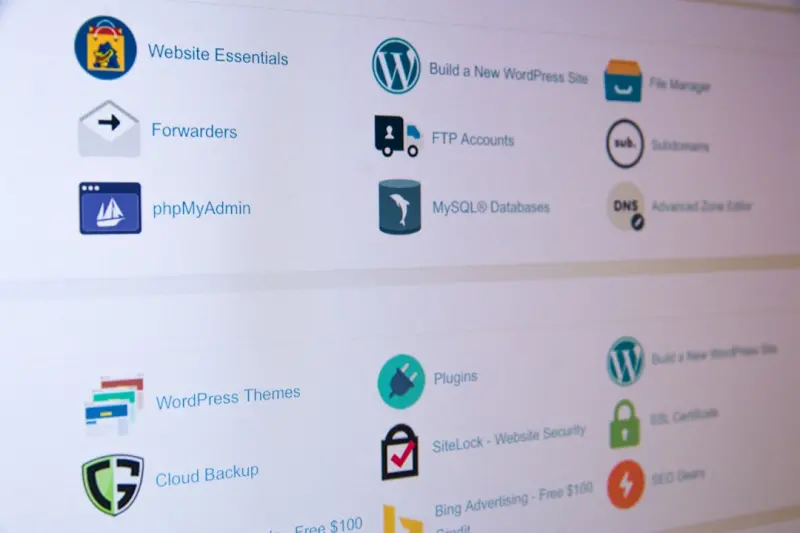
Beyond Themes: Using Managed WordPress Hosting as a Headless Hub
Learn why managed WordPress hosting is the ideal foundation for headless architectures, from API opt... Read More
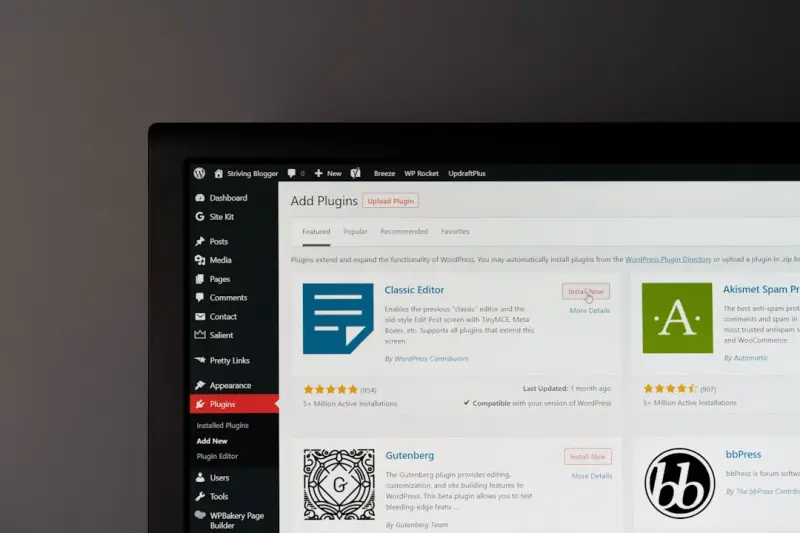
Fortifying Managed WordPress Hosting: Compliance, Security, and Peace of Mind
A deep dive into how modern managed WordPress providers can turn security and compliance into a comp... Read More
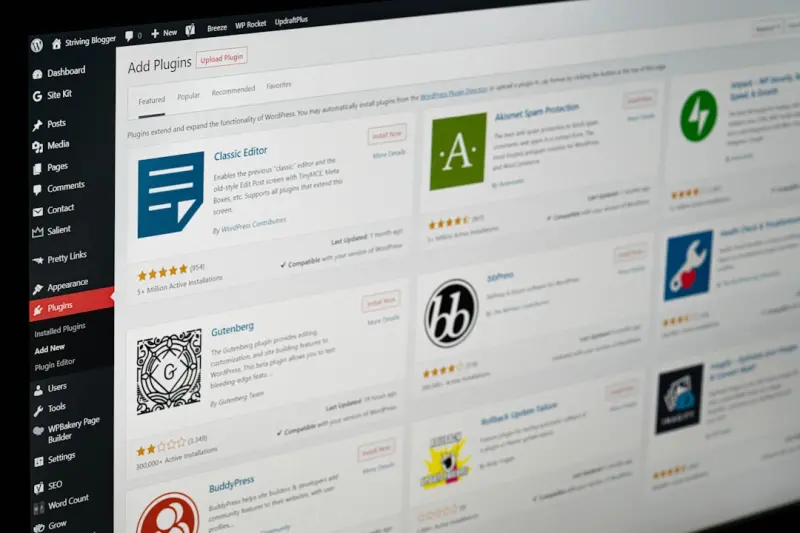
AI‑Powered Managed WordPress: Predictive Scaling, Smarter Security, and Edge Optimization
Artificial intelligence is reshaping managed WordPress hosting, delivering predictive scaling, behav... Read More
Top Posts

Mastering Multi‑Cloud Orchestration for SaaS Growth
A practical guide to designing, governing, and optimizing a multi‑cloud architecture for SaaS businesses, covering resilience, cost predictability, security, ...Read More

Composable CMS: The Secret Sauce for Enterprise Agility
A composable CMS breaks free from monolithic constraints, giving businesses the agility to deliver content across channels, meet compliance, and accelerate inno...Read More

Shared Hosting Secrets: Scaling Your SaaS on a Shoestring
Shared hosting isn’t just cheap—it can be a strategic launchpad for SaaS startups. Learn architectural best practices, cost benefits, and upgrade signals to...Read More

Micro‑Frontends: Scaling Front‑End Architecture for Modern SaaS
Micro‑frontends break monolithic front‑ends into independent, deployable UI slices, giving SaaS teams faster releases, greater autonomy, and a resilient arc...Read More
0 Comments
Post Comment
You will need to Login or Register to comment on this post!