

Why Platform Teams Matter in Modern DevOps
When I first stepped into a fast‑growing SaaS shop, the most common refrain from engineers was, “I wish we had a better way to get the tools we need.” That sentiment isn’t new, but the way we solve it has evolved dramatically. The platform team model—sometimes called “internal developer platform” (IDP) or “self‑serve infrastructure”—has emerged as the linchpin that turns DevOps from a buzzword into a reliable engine for scale.
In the early days of DevOps, the focus was on breaking down silos between development and operations. Teams built pipelines, automated tests, and fought for shared ownership. Those wins were huge, yet many organizations still hit a wall: tooling debt. Engineers spend hours hunting down credentials, wrestling with inconsistent CI configurations, or waiting for a ops teammate to spin up a database. The result? Longer lead times, higher friction, and a creeping sense that the “fast” in “fast‑feedback loop” is an illusion.
From Tooling Debt to Self‑Serve
Enter the platform team. Rather than being a “service desk” that fulfills ad‑hoc requests, a platform team builds standardized, reusable, and discoverable building blocks that product engineers can consume with a single command or a few clicks. Think of it as a curated marketplace of infrastructure services—managed databases, CI templates, observability dashboards, and even compliance checks—all wrapped in a consistent UI or API.
What sets this model apart from the classic “Ops team does everything” approach is the shift from hand‑off to self‑service. The platform team owns the underlying plumbing, but the product teams own the outcomes. This division of responsibility reduces bottlenecks, flattens the learning curve for new hires, and frees senior engineers to focus on delivering business value instead of firefighting infra.
Building a DevOps Platform Playbook
Creating a platform team isn’t a plug‑and‑play exercise. It requires a deliberate playbook that balances governance with autonomy. Below is a high‑level framework that has proven effective across multiple SaaS organizations:
- Define the Core Value Proposition: Identify the top three pain points that engineering faces (e.g., provisioning environments, securing secrets, monitoring performance). The platform’s mission should be to eliminate these friction points.
- Start Small, Iterate Fast: Pilot a single service—perhaps a CI pipeline template—and roll it out to a couple of squads. Gather feedback, refine the UX, then expand the catalog.
- Invest in Discoverability: A well‑documented internal catalog, searchable via a web portal or CLI, dramatically reduces the “where do I find that?” queries. Tag services with clear metadata (owner, SLA, cost center).
- Automate Governance: Embed policy-as-code (e.g., OPA, Sentinel) directly into the platform so compliance checks happen automatically, not as an after‑thought.
- Measure Success: Track adoption rates, mean‑time‑to‑provision, and incident reduction. These metrics prove ROI and guide future investments.
One of the biggest mistakes teams make is trying to build a monolithic platform that does everything. The reality is that a modular, extensible approach—where new services can be plugged in as micro‑services—creates the agility needed to keep pace with evolving product demands.
Metrics That Matter: From Deploys to Delight
When you hand over self‑serve capabilities, you need new lenses to gauge health. Traditional DevOps metrics—deployment frequency, lead time for changes, MTTR—remain essential, but they must be complemented with platform‑specific indicators:
- Service Adoption Rate: Percentage of squads using a given platform service.
- Provisioning Time: How long it takes from request to a ready‑to‑use environment.
- Self‑Service Success Ratio: Ratio of successful self‑service actions vs. those that required manual intervention.
- Observability‑First Incident Management impact: Track how often platform‑provided dashboards and alerts accelerate issue resolution. Observability‑first incident management can be a direct outcome of a well‑designed platform.
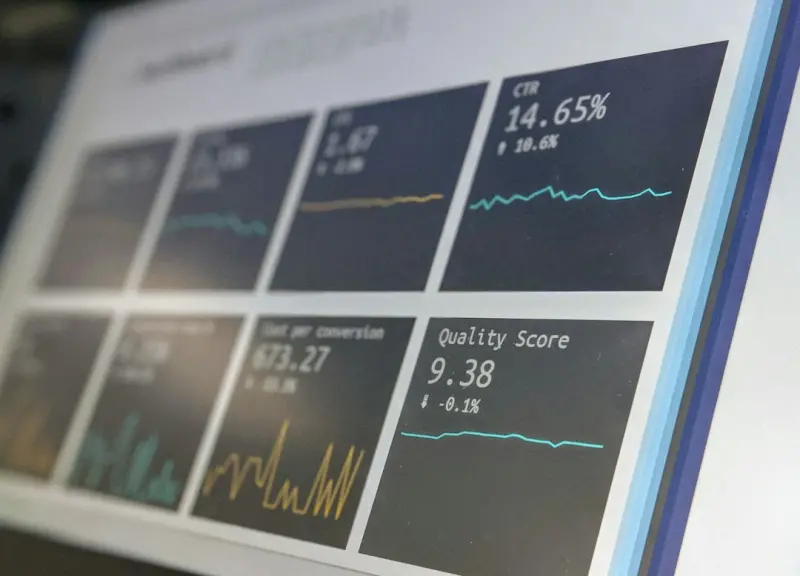
By visualizing these metrics on a shared dashboard, you create a feedback loop that encourages continuous improvement. When a particular service shows low adoption, you can investigate whether the UI is confusing, the documentation is lacking, or the underlying technology needs a refresh.
Cultural Shifts: Empowerment Over Enforcement
A platform team is as much about culture as it is about code. Two cultural pillars enable the model to thrive:
- Psychological Safety: Engineers must feel comfortable experimenting with the platform, knowing that failures are treated as learning opportunities, not punishments.
- Ownership Mentality: While the platform team owns the tooling, product teams own the configuration and usage. This shared responsibility drives better outcomes and reduces “it works on my machine” syndrome.
Leadership plays a crucial role in championing these values. When executives publicly acknowledge the platform team’s contribution to velocity and quality, it reinforces the narrative that the platform is a strategic asset, not a cost center.
Hybrid Cloud Realities and the Platform Team
Most SaaS companies today run workloads across multiple clouds, on‑premise data centers, and edge locations. Managing this heterogeneity can quickly become a nightmare for product teams. A mature platform team abstracts away the underlying infrastructure complexity, offering a unified interface regardless of where the workload lands.
For organizations navigating this landscape, the Hybrid Cloud Hosting playbook provides a solid foundation. By integrating the platform’s service catalog with hybrid deployment strategies, you enable engineers to choose the optimal runtime environment without learning the intricacies of each provider.
Future Outlook: AI‑Powered Platform Enhancements
Looking ahead, the next wave of platform innovation is being driven by AI. Imagine a platform that predicts which service an engineer will need next, auto‑configures pipelines based on code patterns, or suggests cost‑optimizations in real time. The AI‑Powered Predictive Scaling concepts are already reshaping resource management; extending that intelligence to the platform layer will further shrink lead times and reduce waste.
Key AI‑enabled capabilities to watch for include:
- Intent‑Based Provisioning: Natural‑language requests (“Give me a staging environment for the new payment service”) translate into fully provisioned stacks.
- Automated Policy Enforcement: Machine‑learning models detect anomalous configurations and remediate them before they cause incidents.
- Predictive Cost Forecasting: The platform warns teams when their usage patterns will breach budget thresholds, suggesting alternatives.
These advancements will not replace the need for skilled platform engineers, but they will amplify their impact, allowing them to focus on higher‑order problems like architectural evolution and strategic road‑mapping.
Getting Started: A Pragmatic Checklist
If you’re convinced that a platform team could be the catalyst for your organization’s next growth spurt, start with this actionable checklist:
- Secure Executive Sponsorship: Articulate the business case in terms of reduced lead time, lower operational cost, and improved reliability.
- Identify Quick Wins: Target high‑friction services (e.g., secret management, CI templates) for the first wave.
- Form a Cross‑Functional Core: Blend engineers, SREs, security specialists, and UX designers to ensure the platform meets diverse needs.
- Build the Catalog: Use Infrastructure as Code (IaC) tools like Terraform or Pulumi to define services as reusable modules.
- Launch an Internal Beta: Invite a few product squads to pilot the platform, gather feedback, and iterate rapidly.
- Scale Gradually: Expand the service catalog and user base in phases, always measuring adoption and satisfaction.
Remember, the ultimate goal isn’t to create a “one‑size‑fits‑all” solution, but to empower engineers to move faster, safer, and with greater confidence. When you get the balance right, the platform team becomes the silent engine that powers your entire DevOps ecosystem.

Alex Moss is a digital marketing professional and SEO consultant, focusing on technical and structural SEO along with product development. With more than six years of experience in various facets of digital marketing, he has assisted brands of all sizes in establishing and enhancing their online presence, as well as fostering increased product loyalty.
Related Posts
Observability‑First Incident Management: Turning Data Into Trust in DevOps
A deep dive into making observability the driving force behind incident management, featuring featur... Read More

From Pipelines to Platforms: Redefining DevOps with Observability‑Driven Development
Observability‑Driven Development turns telemetry into a first‑class citizen of your codebase, en... Read More

Why Developer Experience is Your SaaS Secret Weapon
A high‑quality developer experience—self‑service infrastructure, real‑time observability, li... Read More
Top Posts

Compliance‑First Dedicated Server Strategy: Turning Regulation into Advantage
Discover a step‑by‑step guide to building a compliance‑first dedicated server environment that meets strict regulations, reduces operational risk, and del...Read More

Why Sustainable Cloud Choices Are the New Competitive Edge for SaaS
In this post, I share how embracing sustainable cloud practices can differentiate SaaS businesses, cut expenses, and resonate with eco‑conscious customers....Read More

Edge‑Powered Mobile Web: Speed, Security, and Seamless UX
A deep dive into leveraging edge functions, progressive web apps, and real‑world connectivity strategies to build faster, more secure mobile web experiences t...Read More

Mobile Web Development: Mastering Adaptive Layouts and Performance in a Fragmented Landscape
A deep dive into modern mobile web development techniques—adaptive container queries, network‑aware rendering, progressive enhancement, and real‑time tele...Read More
0 Comments
Post Comment
You will need to Login or Register to comment on this post!