
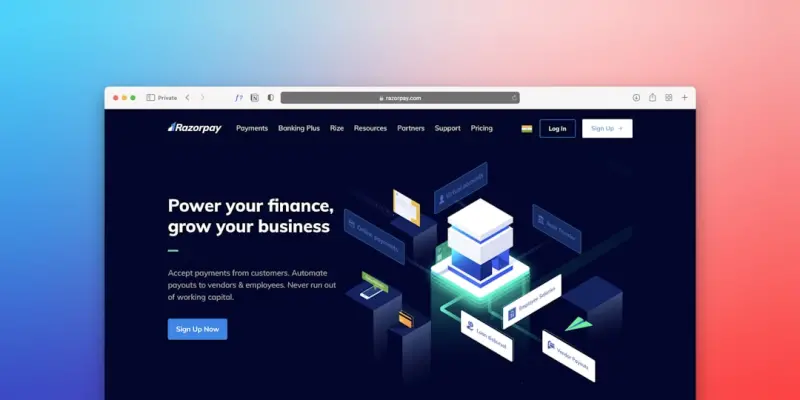
Why WordPress Themes Are Becoming the Strategic Backbone of B2B SaaS Brands
When I first started building sites for SaaS products, I treated a theme like a decorative skin—something you pick, slap on, and call it a day. Over time, that mindset turned into a revelation: the theme is the engine that fuels performance, trust, and conversion. In the hyper‑competitive B2B arena, a theme that merely looks good isn’t enough; it must align with the product’s value proposition, data‑driven insights, and the engineering rigor of the rest of the stack.
From Aesthetic to Architecture: Re‑thinking Theme Selection
Most agencies still evaluate themes on three superficial criteria: visual appeal, demo content, and price. I’ve learned to expand that checklist into a strategic architecture map that includes:
- Performance budget integration – every CSS/JS bundle must sit within a predefined millisecond budget.
- Modular data hooks – the theme should expose clean, reusable hooks for analytics, A/B tests, and personalization engines.
- Compliance‑first defaults – GDPR, WCAG, and other regulatory guardrails need to be baked in, not bolted on later.
This shift transforms the theme from a decorative afterthought into a core operational component that collaborates with design, product, and engineering teams.
Performance‑First Themes: The Unseen Revenue Driver
Every extra 100 ms of load time can shave off up to 5 % of conversions on a high‑ticket SaaS landing page. A theme built around critical CSS extraction, lazy‑loaded assets, and server‑side rendering isn’t a luxury; it’s a revenue safeguard. I’ve seen clients switch from a generic marketplace theme to a lean, purpose‑built theme and instantly recoup the investment through improved click‑through rates and lower bounce.
Data‑Driven Theme Customization: The New Competitive Edge
Instead of relying on intuition, we now feed real user behavior into the theme’s styling engine. Heat‑maps reveal which sections scroll past unnoticed, and funnel analysis tells us where friction spikes. With that data, developers can:
- Swap out a hero image for a dynamic, persona‑specific illustration.
- Adjust typographic scale based on reading patterns for C‑suite visitors.
- Toggle feature call‑outs only when a user’s previous journey indicates high intent.
This iterative loop ensures the theme evolves with the product, rather than remaining a static backdrop.
AI‑Assisted Theme Generation: From Prototype to Production
Artificial intelligence is no longer just a buzzword for chatbots. Modern AI design assistants can ingest brand guidelines, color palettes, and tone of voice, then output a theme skeleton that respects performance constraints. The real magic happens when you combine AI‑generated scaffolding with human‑crafted accessibility audits. The result is a theme that feels both personalized and inclusive—a win for both the user and the bottom line.
Embedding Accessibility from Day One
Accessibility isn’t a checkbox; it’s a performance multiplier. A theme that adheres to WCAG 2.2 by default reduces the need for costly retrofits down the line. Moreover, accessible design correlates with higher SEO rankings and broader market reach. For B2B SaaS, where decision‑makers often rely on screen readers or high‑contrast modes, an Accessibility as a Competitive Edge can be the differentiator that lands a contract.
Version‑Controlled Themes: Treating Styles Like Code
One mistake I see repeatedly is storing a theme’s CSS and assets in a shared drive, making rollbacks a nightmare. By placing the entire theme repository in Git, you gain:
- Branching for feature experiments without affecting production.
- Pull‑request reviews that enforce code quality and performance standards.
- Automated CI pipelines that run Lighthouse audits on every commit.
This DevOps‑ish approach aligns the theme with the rest of the SaaS codebase, ensuring consistency and traceability.
Theme Longevity: Preparing for Future Stack Shifts
Technology evolves quickly—headless architectures, serverless functions, and new API ecosystems become mainstream. A future‑ready theme must be:
- Decoupled enough to serve as a presentation layer for a headless front end.
- Built with progressive enhancement so core content remains accessible even if JavaScript fails.
- Documented with clear migration paths for when you decide to adopt a new rendering paradigm.
Investing in these qualities now saves months of re‑engineering later, preserving both budget and brand continuity.
Case Study: Turning a Generic Theme into a Conversion Engine
A mid‑size SaaS firm approached us with a high‑bounce home page built on a popular free theme. After a 30‑day sprint, we delivered a custom, performance‑first theme that:
- Reduced Time to Interactive (TTI) from 4.2 seconds to 1.6 seconds.
- Implemented schema‑driven content blocks that auto‑populate with product updates.
- Integrated a persona‑aware call‑to‑action module, boosting trial sign‑ups by 27 %.
The client not only saw a spike in qualified leads but also reported a 15 % reduction in support tickets related to navigation confusion—a direct testament to the power of a well‑engineered theme.
Practical Steps to Upgrade Your Theme Strategy
If you’re ready to transform your WordPress theme from a decorative afterthought into a strategic asset, follow this roadmap:
- Audit your current theme. Measure performance, accessibility, and code quality with tools like Lighthouse and axe.
- Define a performance budget. Set concrete limits for CSS, JavaScript, and image payloads.
- Map data hooks. Identify where analytics, personalization, and A/B testing need to integrate.
- Choose a version‑controlled workflow. Move the theme to Git and enable CI/CD pipelines.
- Iterate with data. Use real‑user metrics to fine‑tune layout, copy, and interactive elements.
- Future‑proof. Ensure the theme can be decoupled for headless scenarios and supports progressive enhancement.
Each step builds on the last, turning a static theme into a living, revenue‑generating component of your SaaS ecosystem.
Conclusion: Themes as Strategic Assets, Not Just Templates
In the B2B SaaS world, every millisecond, every pixel, and every line of code matters. By treating WordPress themes as strategic assets—optimizing for performance, embedding accessibility, leveraging data, and embracing version control—you unlock a hidden engine that fuels growth, reduces churn, and future‑proofs your digital presence. The next time you’re tempted to pick a theme based on aesthetics alone, remember: the real magic lies in the architecture beneath the surface.

Sanji Patel has dedicated 25 years to the SEO industry. As an expert SEO consultant for news publishers, he emphasizes providing both technical and editorial SEO services to news publishers worldwide. He frequently speaks at conferences and events globally and offers annual guest lectures at local universities.
Related Posts
AI‑Powered WordPress Themes: A New Frontier for B2B Brands
AI is turning WordPress themes from static skins into adaptive experiences. Learn how design tokens,... Read More
WordPress Themes as Scalable Brand Engines for B2B SaaS
A WordPress theme isn’t just a visual skin; it can become a scalable brand engine for B2B SaaS, de... Read More
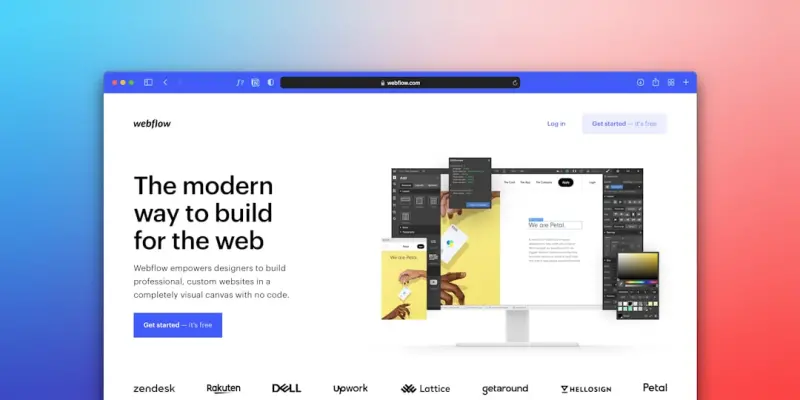
A Strategic Playbook for Choosing WordPress Themes in SaaS
Learn a step‑by‑step strategy to select, modularize, and maintain WordPress themes that boost pe... Read More
Top Posts

Why Accessibility Should Be Your Web Design Superpower
Accessibility isn’t just a compliance checkbox; it’s a growth engine. Learn practical steps, tools, and strategic benefits to make inclusive design the corn...Read More

Edge‑Ready Dedicated Servers: Unlocking Low‑Latency Power for Modern Apps
Dedicated server hosting is evolving beyond traditional data centers, becoming a cornerstone for latency‑critical workloads like gaming, fintech, and IoT. Thi...Read More

Why Joomla is the Underrated Backbone for Modern SaaS Platforms
Joomla may be seen as a legacy CMS, but its robust architecture, event‑driven plugins, and modern cloud‑native capabilities position it as a powerful founda...Read More
Turning Your CMS Into a Real‑Time Content Pipeline
Discover how re‑imagining your CMS as a continuous content pipeline unlocks instant personalization, cross‑channel consistency, and faster time‑to‑marke...Read More
0 Comments
Post Comment
You will need to Login or Register to comment on this post!