

Why Structured Data Is Your Secret Weapon for eCommerce SEO
When I first started optimizing online stores, my checklist looked a lot like a grocery list: keyword research, on‑page tweaks, backlink building. It got the job done, but the competition was fierce, and the traffic gains were incremental at best. Over the years, I’ve learned that the real differentiator lives in the invisible markup that search engines use to understand your catalog. I’m talking about structured data—the JSON‑LD, Microdata, and RDFa snippets that turn a plain product page into a rich, actionable asset on Google, Bing, and even emerging voice assistants.
The SEO Landscape Has Shifted From Text to Intent
Search engines have moved beyond matching strings of words. They now aim to surface answers, compare products, and even complete purchases directly on the SERP. This shift means that a page that simply contains the right keywords is no longer enough; it must also provide the contextual signals that allow algorithms to surface it in the right format at the right moment.
Think of structured data as the language you use to whisper the exact meaning of your content to a search engine. When you tag a price, availability, review rating, or SKU with the correct schema, you’re giving the engine a shortcut to interpret your data without having to guess.
Getting Started: The Core Types Every eCommerce Site Needs
Below is a quick inventory of the most impactful schema types for online retailers. Implement them all, and you’ll see a noticeable uptick in rich snippets, click‑through rates, and ultimately, conversions.
- Product – The backbone of any eCommerce markup. It includes name, image, description, SKU, brand, offers (price, currency, availability), and aggregate rating.
- Offer – Nested inside Product, this type tells search engines about the exact pricing, sale conditions, and shipping details.
- Review and AggregateRating – Customer sentiment is gold. Properly marking up reviews not only boosts credibility but also fuels the star‑rating snippets that attract clicks.
- BreadcrumbList – Helps search engines understand your site hierarchy and can appear as a breadcrumb trail on the SERP.
- Organization – Useful for brand authority, especially when paired with
sameAslinks to social profiles. - FAQPage – If you have a detailed FAQ section, this can turn queries into accordion‑style results that sit right below your product listing.
Common Pitfalls (And How to Avoid Them)
Even seasoned marketers trip over the same mistakes when implementing structured data. Here’s a quick diagnostic checklist:
- Missing Required Fields – Google will reject a Product snippet if
priceoravailabilityis absent. Always include the minimum required properties. - Inconsistent Data – The price shown in your markup must match the price visible to users. Discrepancies trigger manual actions.
- Duplicate Markup – Adding the same schema on both the page head and body can confuse crawlers. Stick to one implementation method, preferably JSON‑LD in the
<head>section. - Outdated Schema Versions – Schema.org evolves quickly. Verify you’re using the latest vocabulary, especially for newer types like
ProductModelorVehicleif you sell such items. - Neglecting Mobile‑First Rendering – Google’s index now renders pages as a mobile browser first. Ensure your markup is not hidden behind lazy‑loaded scripts that block initial render.
Real‑World Impact: From Rich Snippets to Revenue
When I first rolled out full Product schema on a mid‑size fashion retailer, the site’s organic click‑through rate (CTR) climbed from 3.2% to 7.8% within six weeks. The most dramatic change came from the star ratings: products with an average rating of 4.5+ saw a 22% increase in conversion compared to non‑rated items. This isn’t magic; it’s the power of trust signals displayed right where shoppers decide what to click.
If you’re skeptical about ROI, consider the hidden value in The Hidden ROI of Virtual Private Servers for Modern SaaS. Faster page loads, courtesy of optimized hosting, amplify the benefits of structured data because search engines reward both relevance (via schema) and performance (via speed). In practice, this synergy means higher rankings, more impressions, and a healthier bottom line.
Automation Is the Way Forward
Manually coding schema for thousands of SKUs is a nightmare. Fortunately, the ecosystem now offers several automation pathways:
- CMS Plugins – Platforms like Shopify, Magento, and WooCommerce have extensions that auto‑populate JSON‑LD based on product attributes. Choose a plugin that respects the
priceCurrencyandavailabilityfields to stay compliant. - Server‑Side Rendering (SSR) – If you run a headless storefront, embed schema generation in your API layer. Every product request returns a payload that includes a
structuredDatafield, ready for injection. - Batch Scripts – For legacy sites, a Python or Node.js script can loop through your product database and output markup files. Pair this with a CI/CD pipeline to keep schema in sync with inventory changes.
Testing & Monitoring: Don’t Let Your Hard Work Go Unchecked
Google’s Rich Results Test and the Search Console are indispensable. Add these to your weekly SEO health check:
- Coverage Errors – Look for “Submitted URL marked ‘noindex’” or “Structured data missing required fields.”
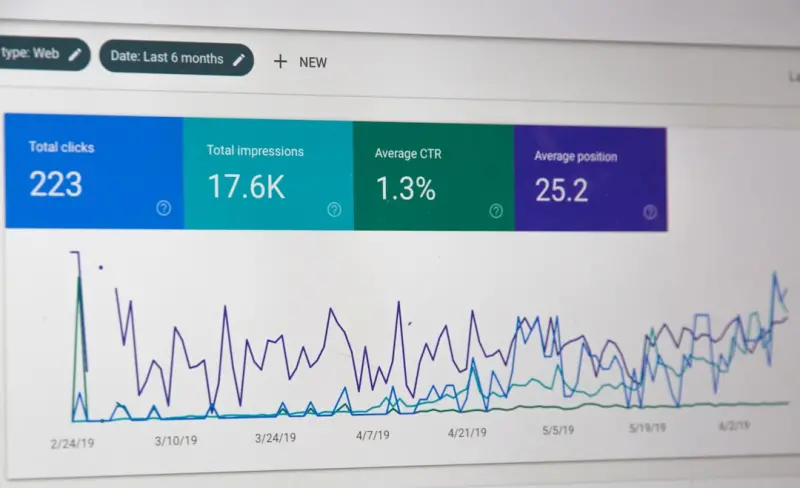
- Performance Report – Correlate CTR spikes with the dates you deployed new schema.
- Enhancements Tab – Google surfaces the count of valid Product, Review, and FAQ snippets. A sudden drop signals a problem.
Remember, search engines can de‑index or demote pages that consistently return invalid markup. Treat schema as a living component of your SEO strategy, not a one‑off project.
Future‑Proofing: Structured Data for Voice and Visual Search
Voice assistants (Google Assistant, Alexa) and visual platforms (Pinterest Lens, Google Lens) rely heavily on structured data to answer “What’s the price?” or “Where can I buy this?” When you provide clean, comprehensive schema, you position your catalog for these emerging discovery channels.
Here’s a quick checklist for voice‑ready markup:
- Include
priceCurrency– Voice platforms read this aloud (e.g., “$29.99 USD”). - Mark up
availabilitywith standardized values likeInStockorOutOfStock. - Provide a
urlfield that points directly to the product page, enabling voice‑to‑click flows.
Integrating Structured Data with Content Marketing
One of my favorite tricks is to combine schema with content clusters. Suppose you publish a buying guide for “Outdoor Hiking Boots.” In the guide, you embed product snippets for each boot you recommend. This not only enriches the guide itself but also creates a cross‑linking network that search engines love. The guide ranks for informational queries, while the product snippets capture transactional intent—two birds, one SERP.
For inspiration on building content clusters that convert, check out Advanced eCommerce SEO Strategies. The principles overlap, but the focus here is on the markup that makes those clusters visible in rich results.
Measuring Success: Beyond Rankings
Traditional SEO metrics—rankings and organic traffic—are still important, but structured data introduces new KPIs:
- Rich Result Impressions – Available in Search Console under the “Performance” tab, this metric shows how often your enriched snippets appear.
- CTR Lift – Compare the click‑through rate of pages with and without schema. A 30% uplift is not uncommon.
- Conversion Rate from Rich Snippets – Track UTM parameters that differentiate traffic originating from rich results versus regular organic clicks.
- Voice Query Attribution – Use Google’s “Voice Search” reports to see how many sessions began with a spoken query that matched your schema.
Set up dashboards in your analytics platform to monitor these numbers weekly. The data will quickly tell you which product categories benefit most from additional markup (e.g., high‑margin accessories vs. low‑margin consumables).
Wrapping Up: Structured Data Is No Longer Optional
If you still treat schema as a “nice‑to‑have” after reading this, you’re leaving money on the table. Search engines have made it clear: the future of eCommerce discovery will be driven by rich, machine‑readable data. By investing time in proper implementation, automation, and ongoing monitoring, you’ll not only improve rankings but also create a more trustworthy experience for shoppers—whether they’re typing, speaking, or scanning an image.
Take the first step today: audit a single category, fix the required fields, and watch the SERP performance shift. Once you see the impact, scaling up across the entire catalog becomes a strategic advantage rather than a technical burden.

Dale Peterson is a freelance writer with a passion for technology, travel, law and personal finance. With 10 years of experience crafting compelling and informative content, he's dedicated to delivering high-quality writing for Blogging Fusion that engages audiences and achieves specific goals.
Related Posts
eCommerce SEO: A Holistic, Data‑First Playbook
A comprehensive guide that moves beyond keyword stuffing, showing how structured data, Core Web Vita... Read More

Voice Search and Conversational Commerce: The Next Frontier in eCommerce SEO
Learn how to transform your eCommerce SEO for the voice era with practical steps—answering natural... Read More

Semantic SEO for eCommerce: Turning Data Into Search Dominance
Discover how to build an intent graph, deploy advanced schema markup, and index user reviews as craw... Read More
Top Posts

Why Enterprises Are Turning to Composable CMS Platforms for Agility
A composable CMS breaks the monolith, letting B2B teams mix and match specialized services via APIs. This article explains the benefits, pitfalls, and practical...Read More

Shared Hosting: The Underrated MVP Launchpad for SaaS Startups
Shared hosting isn’t just for blogs—it can serve as a powerful, budget‑friendly launchpad for early‑stage SaaS products. This guide explains how to opti...Read More

Full‑Stack Observability: Turning Data Noise into Delightful User Journeys
Discover a practical framework for full‑stack observability that bridges backend and frontend data, turning fragmented signals into actionable insights that i...Read More

Self‑Healing APIs with JavaScript Proxies: A New Paradigm
Learn how to use JavaScript Proxies to build self‑healing API layers that automatically normalize responses, enforce defaults, and integrate cross‑cutting c...Read More
0 Comments
Post Comment
You will need to Login or Register to comment on this post!