

Why Dedicated Servers Still Matter in a Cloud‑First World
When I first started architecting SaaS platforms, the conversation was binary: bare‑metal versus virtualized. Today, the buzz is all about “serverless” and “multi‑cloud.” Yet, the raw power, isolation, and cost predictability of a dedicated server remain a strategic lever that many enterprises overlook.
For the modern B2B SaaS provider, dedicated servers are no longer a relic for legacy monoliths. They are the engine rooms that drive high‑throughput workloads—think real‑time analytics, AI inference pipelines, and ultra‑low‑latency API gateways. When you pair that horsepower with the right operational discipline, you get a platform that can outperform generic cloud VMs at a fraction of the price.
Performance at the Edge: Bringing the Server Closer to Your Users
Edge computing is often framed as a cloud‑native concept, but the reality is that many edge locations are simply rows of dedicated servers strategically placed in POPs (Points of Presence). These machines give you:
- Sub‑millisecond network hops to end‑users, crucial for trading platforms, gaming back‑ends, and IoT telemetry.
- Direct access to high‑speed NVMe arrays, bypassing the shared storage latency that can cripple a “cloud‑only” approach.
- Customizable networking stacks, allowing you to tune TCP window sizes, enable kernel bypass, or deploy DPDK for packet‑processing workloads.
My team recently migrated a real‑time fraud detection service from a managed cloud VM farm to a cluster of dedicated servers in a regional edge hub. The result? Latency dropped from 120 ms to under 30 ms, and the CPU utilization fell by 45 % because we could pin cores to specific processes and eliminate noisy neighbors.
Security & Compliance Made Simple
Shared tenancy is a double‑edged sword. While cloud providers offer robust isolation mechanisms, the underlying hardware is still shared across multiple customers. For regulated industries—finance, healthcare, defense—this can raise compliance flags.
Dedicated servers provide a physical boundary that is inherently more secure. You control the entire stack, from BIOS firmware to the operating system. This translates into:
- Full‑disk encryption with hardware‑backed keys that you manage end‑to‑end.
- Custom firewall rules that sit outside the virtualized hypervisor, reducing attack surface.
- Ability to run granular control policies without fighting the abstractions imposed by a cloud console.
Furthermore, many auditors view dedicated hardware as a “hardening” control, simplifying the path to certifications like ISO 27001, SOC 2, and even the more niche FedRAMP High.
Predictable Economics vs. Cloud Pay‑As‑You‑Go
One of the most compelling arguments for dedicated servers is cost predictability. Cloud pricing models are notoriously complex—on‑demand, reserved, spot, data transfer, API calls, and a slew of ancillary fees. While they provide flexibility, they also introduce “bill shock” for teams that haven’t built robust cost‑monitoring pipelines.
With a dedicated server, you pay a flat monthly or annual rate for the hardware, network bandwidth, and support. This simplicity lets finance teams forecast budgets with ±5 % variance, a boon for enterprises that must align IT spend with quarterly planning cycles.
Moreover, you can scale vertically by upgrading CPU, RAM, or storage in place—no need to spin up new instances and re‑architect your application. This vertical elasticity is especially valuable for workloads that have predictable peaks, such as end‑of‑quarter reporting or batch data processing.
Hybrid Strategies: When to Pair Dedicated with Cloud
It would be a mistake to view dedicated servers as a complete replacement for the cloud. The sweet spot for most SaaS businesses is a hybrid model where:
- Latency‑critical services run on dedicated hardware at the edge.
- Elastic, burstable workloads (e.g., background jobs, dev/test environments) sit on a public cloud.
- Data lakes and long‑term archival storage leverage the cost advantages of object storage.
Designing this hybrid architecture requires clear data‑flow boundaries. For instance, you might use a dedicated server to ingest and preprocess streaming data, then push the enriched payload to a cloud‑based data warehouse for downstream analytics. This approach gives you the best of both worlds: speed where it matters, scale where it’s cheap.
Future‑Ready Hardware: NVMe, GPUs, and Beyond
The hardware landscape for dedicated servers is evolving faster than most cloud providers can roll out new instance types. Here are a few trends that SaaS teams should watch:
- NVMe over Fabrics (NVMe‑oF): Enables ultra‑low latency storage access across multiple servers, turning a rack of dedicated boxes into a single, massive, fast data lake.
- PCIe‑gen5 GPUs: Perfect for on‑prem AI inference, reducing the need to ship model predictions to a remote cloud endpoint.
- SmartNICs with offload capabilities for encryption, compression, and even programmable packet filtering.
- Ruggedized, low‑power ARM servers for edge deployments where power and heat are constraints.
When you control the hardware lifecycle, you can adopt these innovations on your own cadence—no waiting for a cloud provider’s next “beta” release.
Choosing the Right Provider: What to Look For
Not all dedicated hosting services are created equal. A provider that merely offers “bare metal” isn’t enough; you need a partner that understands the SaaS lifecycle. Key criteria include:
- Network redundancy—multiple uplinks, carrier‑grade routing, and DDoS mitigation baked in.
- Managed firmware and BIOS updates—so you can focus on application code, not hardware patch cycles.
- Automation hooks—API‑driven provisioning, Terraform modules, or Ansible playbooks that let you spin up a new server in minutes.
- Transparent sustainability metrics. While we’re not talking about green cloud per se, many providers now publish power‑usage effectiveness (PUE) figures, helping you align with corporate ESG goals. See how sustainable initiatives can become a competitive edge in this discussion.
Finally, test the support experience. A 24/7 Tier‑3 engineer who can walk you through a kernel panic is worth its weight in gold when you’re running mission‑critical services.
Real‑World Playbook: From Zero to Production in 90 Days
To illustrate the process, here’s a high‑level roadmap I’ve used with multiple SaaS startups:
- Define the workload profile: CPU‑bound, memory‑intensive, or I/O‑heavy?
- Select hardware specs: Choose a server with the right balance—e.g., 2 × Xeon Scalable, 256 GB RAM, 4 × 2 TB NVMe.
- Automate provisioning: Use a Terraform provider that abstracts the bare‑metal API. This reduces manual steps from days to minutes.
- Implement security baselines: Harden the OS, enable full‑disk encryption, and lock down SSH with bastion hosts.
- Deploy monitoring & observability: Integrate Prometheus and Grafana directly on the host to catch performance anomalies early.
- Run a staged rollout: Start with a canary, then gradually shift traffic from cloud to dedicated over a two‑week window.
- Iterate and optimize: Fine‑tune kernel parameters, upgrade to faster NVMe, and revisit cost models quarterly.
This playbook mirrors the disciplined approach you’d expect from a DevOps transformation, but it’s tailored for the hardware‑centric realities of dedicated hosting.
Conclusion: Dedicated Servers Are Not a Relic—They’re a Strategic Asset
If you’re still treating dedicated hosting as a “fallback” for legacy apps, you’re missing out on a competitive advantage. The combination of predictable cost, unparalleled performance, and deep security control makes dedicated servers a cornerstone for any SaaS organization that aims to deliver real‑time experiences at scale.
In the end, the decision isn’t about “cloud vs. dedicated.” It’s about architecting for the best user experience while keeping the balance sheet healthy. By embracing dedicated servers where they make sense—and pairing them with the elasticity of the cloud where they don’t—you’ll build a resilient, future‑ready platform that can outpace the competition.

Shawn DesRochers is a certified Microsoft technician and Programmer with 30+ year's experience. He has written many reviews on computer related products, software, and SEO related topics. When he's not writing reviews he can be found at one of the Oldest Directories Online Invision Graphics Directory which he is the CEO of. Shawn is a FULL Stack Web Developer. So if you have a project and need assistance dont hesitate to reach out.
Related Posts

Dedicated Servers: The Unseen Engine Powering Modern Enterprises
Dedicated servers offer predictable performance, advanced security, and stable pricing, making them ... Read More
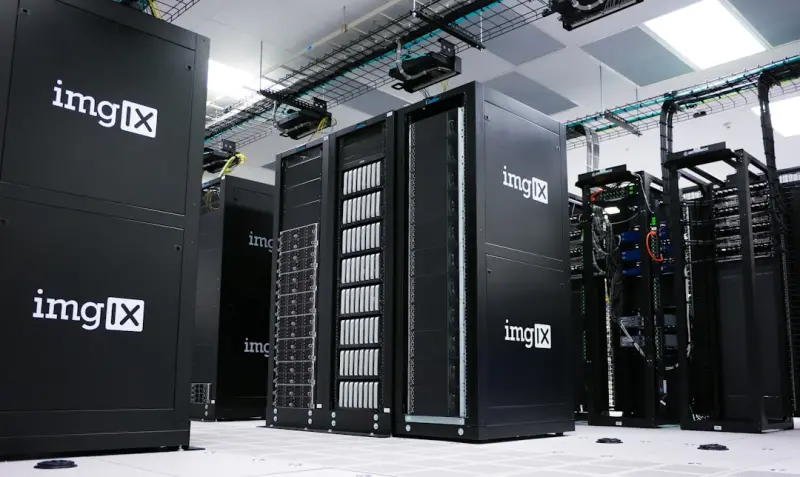
Dedicated Server Hosting: The Underestimated Powerhouse for B2B SaaS
Dedicated servers give SaaS firms predictable performance, strict security, and custom networking—... Read More
Edge Dedicated Servers for Low‑Latency SaaS Experiences
Edge‑optimized dedicated servers bring compute closer to users, delivering sub‑millisecond respo... Read More
Top Posts

CSS Houdini: Unlocking High‑Performance UI for SaaS Platforms
Discover the power of CSS Houdini for SaaS applications, from custom layouts and paint worklets to animation control, and learn practical steps to integrate it ...Read More
Performance‑First WordPress Themes: The Competitive Edge for SaaS
A performance‑first WordPress theme eliminates bloat, improves Core Web Vitals, and drives higher conversions—essential insights for SaaS marketers seeking ...Read More

Beyond Publishing: Turning Your CMS into a Strategic Engine
A modern CMS is no longer just a publishing tool; it's a strategic engine that drives SaaS growth through composable architecture, AI enrichment, robust governa...Read More

Sensors, AI, and Offline‑First: Redefining Mobile Web Experiences for SaaS
A fresh look at mobile web development that leverages device sensors, client‑side AI, and offline‑first strategies to deliver a smarter, more resilient SaaS...Read More
0 Comments
Post Comment
You will need to Login or Register to comment on this post!