

From Catalog Chaos to SEO Gold: Building Structured Data Silos That Drive Traffic
When I first stared at a client’s product feed—thousands of rows, mismatched titles, and a sprinkle of missing images—I felt the same mix of awe and dread that many of us in the eCommerce world know all too well. The data was a gold mine, but it was buried under a mountain of noise. Over the years, I’ve learned that the real power of an eCommerce site isn’t just in the products it sells; it’s in how those products are discovered by search engines and, ultimately, by shoppers. This post is my playbook for turning that chaotic catalog into a structured‑data‑driven SEO engine that consistently pulls in qualified traffic.
Why Structured Data Is No Longer a Nice‑to‑Have
Google’s algorithm updates have evolved from simple keyword matching to a sophisticated understanding of entities, intent, and context. When you feed Google a clean, machine‑readable Product schema, you’re essentially handing it a shortcut to understand exactly what you’re selling. The result? Rich snippets, product carousels, and even voice‑assistant answers that sit above the fold of the SERP.
But here’s the kicker: structured data alone isn’t enough. If you have a perfect schema on a page that no one can find because it’s buried deep within a labyrinthine URL structure, you’ll still be invisible. The magic happens when you combine schema markup with a strategic content silo architecture that guides both crawlers and users through a logical, hierarchical journey.
Step 1: Audit Your Catalog for Consistency
Before you can build silos, you need a clean foundation. I start with a three‑pronged audit:
- Attribute Standardization: Ensure every product has a consistent set of attributes (brand, size, color, material, etc.). Missing or mismatched attributes break schema generation.
- Title Normalization: Strip promotional language (“Free Shipping”, “Best Deal”) from titles and focus on core descriptors. This improves both SEO relevance and schema accuracy.
- Image Uniformity: All images should have descriptive
alttags and be served from a CDN with optimal compression. Images are a core component of rich results, especially for visual search.
Tools like Google Sheets + Apps Script or a lightweight Python script can automate 80% of this work. The goal is to end up with a CSV where each row follows a strict template that mirrors the speed‑first theme design principles: clean, predictable, and ready for rapid rendering.
Step 2: Map Out Your Silo Hierarchy
Think of silos as the table of contents for your site’s SEO. Each silo represents a logical grouping of products that share a common intent. For example, a fashion retailer might organize silos by Category → Sub‑Category → Season → Brand. A tech retailer could use Device Type → Operating System → Use‑Case.
When you design silos, keep three things in mind:
- Search Intent Alignment: What queries are shoppers typing? Use keyword clustering tools to discover the primary and secondary intents for each group.
- URL Simplicity: A silo URL should read like a breadcrumb:
/category/sub-category/season/brand/. Avoid deep nesting that exceeds three slashes. - Internal Linking Depth: Each product page should be reachable within three clicks from the silo’s landing page. This satisfies Google’s crawl budget expectations.
Once mapped, you’ll have a spreadsheet that looks something like this:
| Silo | Landing URL | Core Keywords |
|---|---|---|
| Women’s Running Shoes | /shoes/running/women/ | women’s running shoes, best running shoes for women |
| Women’s Trail Shoes | /shoes/trail/women/ | women’s trail shoes, trail running shoes women |
| Men’s Casual Sneakers | /shoes/casual/men/ | men’s casual sneakers, comfortable sneakers for men |
Step 3: Generate Rich Product Schema at Scale
Now that you have a tidy CSV and a clear silo map, it’s time to feed Google the data it craves. I recommend a two‑step approach:
- Template‑Based JSON‑LD Generation: Use a templating engine (e.g., Handlebars, Jinja) to inject CSV values into a
@type":"Product"JSON‑LD block. This ensures every product page carries a full set of required fields:name,image,description,sku,brand,offers(price, availability, currency). - Dynamic Injection via Server‑Side Rendering (SSR): If you’re on a headless stack, embed the JSON‑LD directly into the SSR payload. This guarantees the markup is present on initial load, satisfying Google’s crawler that doesn’t execute heavy JavaScript.
Remember to add aggregateRating and review objects whenever possible. Even a single five‑star rating can boost click‑through rates in SERPs.
Step 4: Optimize Silo Landing Pages for SEO
Silo landing pages are the SEO gatekeepers. They should be more than just a list of links; they need to provide value and context.
- Compelling Header Tags: Use H2s to introduce each sub‑category, and sprinkle in the primary keyword naturally.
- Unique Introductory Copy: Write a short paragraph that addresses the shopper’s intent. For “Women’s Running Shoes,” you might discuss cushioning technology, terrain suitability, and popular brands.
- Featured Product Spotlight: Highlight 2‑3 best‑selling items with full schema markup and a clear CTA. This gives crawlers a strong signal about the page’s relevance.
- Internal Linking Blueprint: Link down to sub‑category pages and up to the site’s main navigation. Use descriptive anchor text (e.g., “lightweight trail shoes for women”) instead of generic “click here.”
For a practical example of marrying SEO with user experience, check out this AI‑driven visual search case study. The same principles that power visual search—clean data, rich metadata, and fast rendering—apply directly to structured‑data silos.
Step 5: Leverage Core Web Vitals as a Ranking Lever
Google’s Core Web Vitals are now part of the ranking formula. A silo that loads in under 2.5 seconds with a Largest Contentful Paint (LCP) under 1.2 seconds will outrank a slower counterpart, even if the latter has marginally better keyword density. To keep your silos fast:
- Lazy‑Load Non‑Critical Images: Only load above‑the‑fold product images eagerly.
- Use a CDN with Edge Caching: Serve static assets (JSON‑LD, CSS, JS) from the edge nearest to the user.
- Minify and Inline Critical CSS: Reduce render‑blocking resources on the silo landing page.
Testing with PageSpeed Insights and Lighthouse during your CI pipeline ensures you catch regressions before they go live.
Step 6: Track, Iterate, and Scale
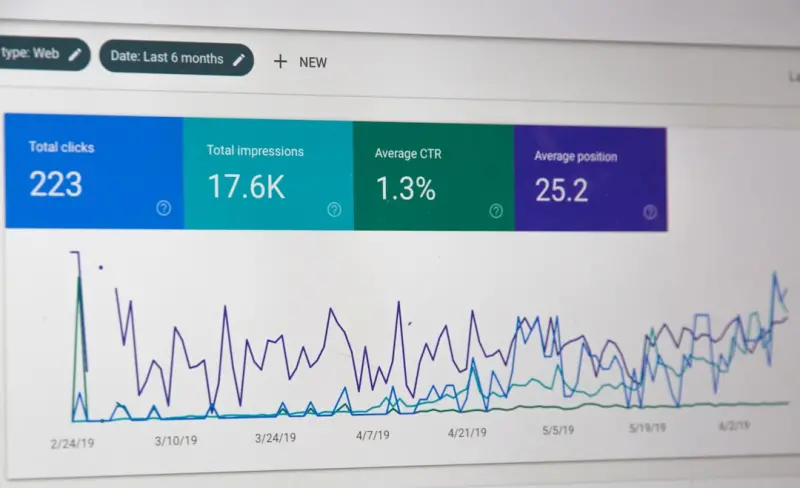
SEO is a marathon, not a sprint. Once your silos are live, set up a monitoring dashboard that tracks:
- Impressions and clicks for each silo keyword (via Google Search Console).
- Schema validation errors (Google’s Rich Results Test API).
- Page speed metrics (Core Web Vitals) broken down by device type.
When you notice a dip—say, a particular “women’s trail shoes” silo losing impressions—dig into the data. It could be a new competitor outranking you, a missing priceCurrency field, or a recent JavaScript bundle that slowed page load. Fix, re‑deploy, and watch the recovery curve.
Future‑Proofing Your SEO Silos
Technology will keep evolving, but the fundamentals of structured data and logical architecture remain constant. To stay ahead:
- Adopt Headless Commerce Early: Decoupling the front‑end from the back‑end lets you serve lightweight JSON‑LD directly from the API layer.
- Experiment with AI‑Generated Meta Tags: Large language models can draft concise, intent‑focused meta titles and descriptions at scale, which you can then human‑review.
- Monitor Voice Search Trends: As more shoppers use voice assistants, long‑tail, conversational queries will dominate. Align your silo content to answer those natural‑language questions.
By treating your product catalog as a structured data asset and wrapping it in a well‑engineered silo hierarchy, you give search engines the roadmap they need to surface your products in the most lucrative SERP real estate. The payoff? Higher click‑through rates, better conversion paths, and a sustainable SEO foundation that scales with your inventory.
If you’re ready to take the next step, start with a small pilot—perhaps your top‑selling category—and iterate based on the metrics above. The results will speak for themselves, and before you know it, you’ll have turned catalog chaos into SEO gold.

Dale Peterson is a freelance writer with a passion for technology, travel, law and personal finance. With 10 years of experience crafting compelling and informative content, he's dedicated to delivering high-quality writing for Blogging Fusion that engages audiences and achieves specific goals.
Related Posts

How Customer Q&A Can Supercharge Your eCommerce SEO
Customer questions are a goldmine for SEO. This guide shows how to capture, answer, and optimize Q&A... Read More
eCommerce SEO: A Holistic, Data‑First Playbook
A comprehensive guide that moves beyond keyword stuffing, showing how structured data, Core Web Vita... Read More

Beyond Keywords: Structured Data Strategies That Transform eCommerce SEO
This article reveals how eCommerce brands can leverage structured data—product, review, offer, and... Read More
Top Posts

Zero‑Party Data: The Trust‑Driven Growth Engine for Modern E‑Commerce
Learn why zero‑party data—information customers willingly share—offers a high‑quality, privacy‑first path to personalized recommendations, dynamic pri...Read More

Chaos Engineering: The Missing Piece in Modern DevOps
Learn why integrating chaos engineering into your CI/CD workflow is the key to building resilient SaaS systems, reducing incident recovery time, and fostering a...Read More

VPS Unlocked: How Virtual Private Servers Power Agile SaaS Growth
Virtual private servers (VPS) offer SaaS teams unparalleled control, predictable performance, and cost efficiency. This post explores why a VPS‑first strategy...Read More

The Secret‑Ops Playbook: Turning Reseller Hosting Into a High‑Margin Growth Engine
Discover a strategic playbook for reseller hosting that focuses on vertical specialization, automation, security bundling, and data‑driven upselling to create...Read More
0 Comments
Post Comment
You will need to Login or Register to comment on this post!