

Why Micro‑Fulfillment Centers Are the Secret Weapon Behind Tomorrow’s Lightning‑Fast E‑Commerce
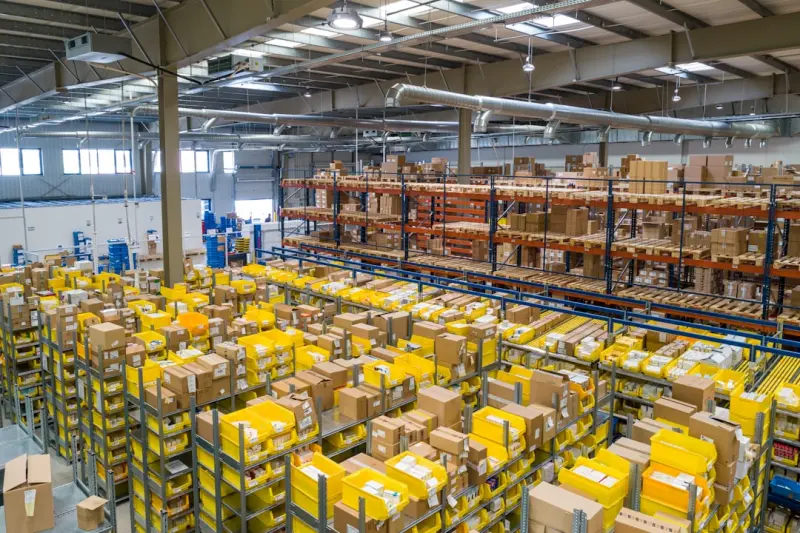
When I first started tinkering with online storefronts, the biggest headache was always “how do I get the product to the customer fast enough?” Decades later, the answer isn’t just “faster shipping” – it’s a radical redesign of the fulfillment ecosystem itself. Enter micro‑fulfillment centers (MFCs): compact, automated warehouses located inches away from the shopper, often embedded inside existing retail spaces, apartment complexes, or even parking garages.
In the race for speed, convenience, and cost efficiency, MFCs are the new front‑line soldiers. They combine the precision of robotics, the agility of last‑mile delivery, and the strategic placement of “hyper‑local” hubs to deliver orders in under an hour – and sometimes in minutes. If you think of the e‑commerce supply chain as a marathon, micro‑fulfillment turns a portion of it into a sprint.
From Warehouse to Neighborhood: The Geography of Speed
Traditional fulfillment models rely on massive, centralized distribution centers that sit miles (or even hundreds of miles) away from the end consumer. The journey from a big warehouse to a doorstep involves multiple hand‑offs, transportation modes, and inevitable delays. Micro‑fulfillment flips this script by positioning inventory where the demand lives.
- Proximity to the customer – By situating a 2,000‑sq‑ft MFC in a suburban strip mall, you cut the “last mile” to a matter of blocks.
- Urban density advantage – In cities, a network of rooftop MFCs can serve thousands of apartments without the need for a massive, noisy truck convoy.
- Retail synergy – Brick‑and‑mortar stores can convert unused back‑room space into micro‑fulfillment hubs, turning a retail footprint into a dual‑purpose sales and distribution engine.
Geographically, the strategy is simple: be where the customer is, before they even know they need you. This proximity translates directly into lower delivery costs, higher order‑to‑delivery velocity, and a noticeable boost in customer satisfaction scores.
The Technology Stack Powering Micro‑Fulfillment
Micro‑fulfillment isn’t just about a smaller warehouse; it’s about a hyper‑automated ecosystem that can pick, pack, and ship at a pace that rivals a fast‑food kitchen. Here are the core tech pillars:
- Robotic Picking Systems – Mobile robots equipped with vision systems navigate narrow aisles, retrieve items, and bring them to human or automated stations. Their ability to operate 24/7 dramatically increases throughput.
- AI‑Driven Inventory Forecasting – Machine learning models predict which SKUs will sell in a particular micro‑hub, ensuring the right products are stocked and reducing dead‑stock.
- Real‑Time Order Orchestration – An event‑driven architecture routes orders to the nearest MFC, dynamically rebalancing inventory as demand spikes.
- Integrated Delivery Networks – Partnerships with bike couriers, autonomous pods, and even crowdsourced drivers enable sub‑hour deliveries.
All of these components speak a common language: data. The richer the data flow, the smarter the fulfillment decisions. For brands already exposing APIs, consider turning your API into a revenue engine by exposing inventory and delivery windows directly to partner platforms.
Economic Benefits: Cost, Margin, and Scale
It’s easy to assume that building a network of micro‑fulfillment hubs is a massive capital outlay. In practice, the economics can be surprisingly favorable:
- Reduced transportation spend – Shorter routes mean fewer miles, lower fuel costs, and less wear on delivery fleets.
- Higher order value – Faster delivery encourages impulse purchases; shoppers are more likely to add “quick‑ship” items to their cart when they know they’ll get them in minutes.
- Lower return rates – When customers receive the exact product quickly, they’re less likely to experience “buyer’s remorse” and send it back.
- Scalable footprint – Because MFCs are modular, you can add or subtract capacity in response to seasonal demand without the long lead times of building a new distribution center.
When you factor in the potential uplift in customer lifetime value (CLV) from faster, more reliable service, the ROI on micro‑fulfillment can be achieved within a single fiscal year for many mid‑size merchants.
Customer Experience: The New Expectation Curve
Today’s shoppers have been conditioned by the likes of food‑delivery apps and on‑demand streaming services. Their mental model for e‑commerce is no longer “order today, receive in 3‑5 days.” They now demand “order now, receive in under an hour.” Micro‑fulfillment satisfies this expectation in three tangible ways:
- Transparent Delivery Windows – Real‑time tracking and precise ETA estimates give shoppers confidence.
- Same‑Day Returns Made Easy – With inventory nearby, reverse logistics can be handled as quickly as forward logistics.
- Personalized In‑Store Pickup – Customers can click “pick up in 15 minutes” and walk to the nearest hub, blending the digital and physical experiences.
These experiences create a virtuous loop: satisfied customers return more often, spread positive word‑of‑mouth, and generate organic traffic that fuels growth.
Integrating Micro‑Fulfillment with Existing Platforms
If your e‑commerce stack lives on a headless CMS or a SaaS platform, integrating MFC capabilities is straightforward. The key is to expose the right data points via APIs:
- Inventory Availability – Real‑time stock levels per micro‑hub.
- Delivery ETA – Calculated based on current order queue and distance.
- Fulfillment Assignment – Logic to route the order to the optimal hub.
For brands leveraging structured data to boost SEO, remember that structured data for eCommerce SEO can now include micro‑fulfillment specifics, such as “same‑day delivery” schema markup, which can improve visibility in search results and attract high‑intent shoppers.
Challenges and How to Overcome Them
No transformation is without hurdles. Below are the most common pain points and proven mitigation strategies:
1. Space Constraints
Finding suitable locations in dense urban areas can be tricky. The solution: partner with existing retail landlords, coworking spaces, or even residential complexes that have underutilized square footage. In many cases, a 1,200‑sq‑ft space can serve a population of 15,000 residents.
2. Capital Expenditure
While the upfront cost of robotics and software can be intimidating, many vendors now offer “as‑a‑service” models, allowing you to lease equipment and pay per‑order fulfillment. This converts CAPEX to OPEX, aligning costs with revenue.
3. Data Integration
Synchronizing inventory across multiple hubs demands robust data pipelines. Embrace an event‑driven architecture, using message queues to propagate stock changes instantly. This also future‑proofs your stack for emerging technologies like autonomous delivery pods.
4. Workforce Transition
Automation doesn’t eliminate human roles; it reshapes them. Upskill staff to manage robot fleets, oversee quality control, and handle complex orders that require a human touch.
Case Study: A Mid‑Size Fashion Brand Cuts Delivery Time by 70%
Consider “UrbanThread”, a fashion retailer with a modest online presence. Before adopting micro‑fulfillment, their average delivery window was 4–5 days. After piloting two rooftop MFCs in downtown districts, they achieved:
- Average delivery time: 45 minutes
- Order‑to‑delivery cost reduction: 30%
- Repeat purchase rate increase: 18%
- Customer satisfaction score (CSAT) jump: 12 points
The secret? Leveraging AI‑driven demand forecasting to keep the most popular SKUs in the micro‑hubs, while still maintaining a central warehouse for bulk items. The result was a hybrid fulfillment model that delivered speed without sacrificing inventory depth.
Future Outlook: What’s Next for Micro‑Fulfillment?
The next wave will see micro‑fulfillment converge with other emerging trends:
- Autonomous Delivery Vehicles – Pods that drive themselves from MFCs to the curb, further reducing labor costs.
- AR‑Enabled Pick‑Guidance – Augmented reality glasses help human operators locate items faster, increasing pick accuracy.
- Carbon‑Neutral Operations – Electric robots and renewable‑energy‑powered hubs align with sustainability goals, appealing to eco‑conscious shoppers.
- Dynamic Pricing for Speed – Real‑time pricing models that let customers pay a premium for sub‑hour delivery, optimizing revenue per mile.
Brands that invest now will not only win on speed but also establish a flexible, resilient fulfillment network capable of adapting to any market shock – be it a sudden surge in demand or a supply chain disruption.
Actionable Steps to Get Started
- Map Your Demand Hotspots – Use existing sales data to identify regions where a micro‑fulfillment hub would serve the most customers.
- Choose a Scalable Vendor – Look for partners offering modular robotics and API‑first integration.
- Pilot in a Controlled Environment – Start with a single location, measure KPIs (delivery time, cost per order, CSAT), and iterate.
- Integrate with Your Existing Stack – Expose inventory and delivery APIs, and enhance SEO with structured data for same‑day delivery.
- Scale Gradually – Roll out additional hubs based on data‑driven success metrics, not speculative expansion.
By following this roadmap, you’ll transform your fulfillment from a cost center into a competitive advantage that fuels growth, loyalty, and brand differentiation.

Shawn DesRochers is a certified Microsoft technician and Programmer with 30+ year's experience. He has written many reviews on computer related products, software, and SEO related topics. When he's not writing reviews he can be found at one of the Oldest Directories Online Invision Graphics Directory which he is the CEO of. Shawn is a FULL Stack Web Developer. So if you have a project and need assistance dont hesitate to reach out.
Related Posts
Real‑Time Inventory Visibility: Turning Stock Uncertainty into Sales Confidence
Real‑time inventory visibility reduces cart abandonment, drives higher average order values, and b... Read More

Seeing is Believing: AR Redefines E‑Commerce
Augmented reality is turning the abstract into the tangible for online shoppers, delivering higher c... Read More

Turning Cart Abandonment Into Revenue: A Data‑First Playbook for Modern E‑Commerce
A practical guide that turns cart abandonment into a revenue engine by focusing on trust signals, pe... Read More
Top Posts

Shared Hosting Secrets: Performance, Security, and When to Upgrade
A deep dive into the economics, performance pitfalls, security challenges, and monitoring strategies for SaaS products running on shared web hosting, plus a cle...Read More

Why Joomla is the Underrated Backbone for Modern SaaS Platforms
Joomla may be seen as a legacy CMS, but its robust architecture, event‑driven plugins, and modern cloud‑native capabilities position it as a powerful founda...Read More

Why Structured Data and AI‑Generated Content Are the Twin Engines Driving Modern eCommerce SEO
This post explains why combining schema markup with AI‑generated, intent‑aligned product descriptions is the most effective strategy for modern eCommerce SE...Read More
Edge‑First Node.js: Boosting SaaS Performance with Distributed Compute
Discover practical patterns for running Node.js at the edge, from JWT verification to rate limiting, and see how edge compute can slash latency while preserving...Read More
0 Comments
Post Comment
You will need to Login or Register to comment on this post!