
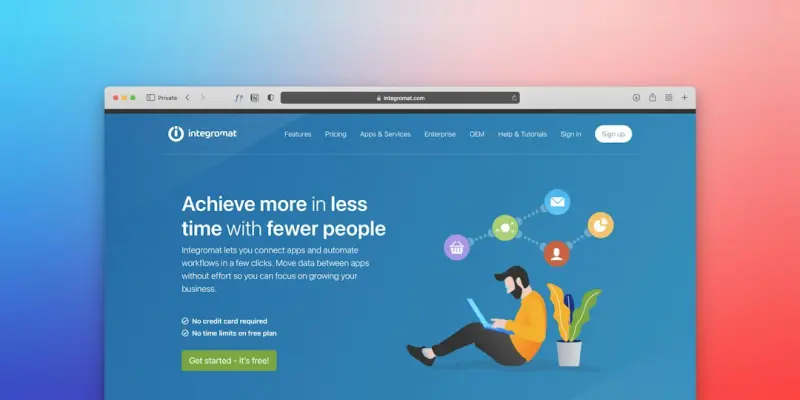
Why Modular WordPress Themes Are the Secret Weapon for Growing SaaS Brands
When I first started designing WordPress sites for SaaS companies, I quickly realized that the theme was more than a visual wrapper—it was the backbone of the user’s first impression and a critical lever for product scalability. In the fast‑moving B2B landscape, a theme that feels static after the first launch is a liability. Today’s SaaS brands need a theme that evolves with their product roadmap, integrates seamlessly with their tech stack, and never compromises on performance or accessibility.
The Myth of “One‑Size‑Fits‑All” Themes
There’s a tempting shortcut: pick a popular “all‑purpose” theme from the repository, slap on a few custom CSS tweaks, and call it a day. That approach works for hobby blogs, but SaaS companies operate on a different set of constraints:
- Brand Consistency: Every touchpoint—from onboarding emails to the in‑app dashboard—must echo the same visual language.
- Feature Velocity: New product modules are rolled out quarterly; the theme must accommodate new page types without a full redesign.
- Performance Benchmarks: Prospects abandon a site that takes more than two seconds to load, especially on mobile.
- Compliance & Accessibility: Enterprise clients demand WCAG 2.1 AA compliance and GDPR‑ready data handling.
A monolithic theme crumbles under these pressures. The solution? A modular, design‑system‑driven theme architecture.
Design Systems Meet WordPress Themes
Think of a design system as a living library of UI components, typography scales, color tokens, and interaction guidelines. When you embed that system directly into a WordPress theme, you get a single source of truth that developers and marketers can both rely on.
Here’s how to translate a design system into a modular WordPress theme:
- Component‑First Template Files: Break your
page.phpandsingle.phpinto reusable partials such ashero.php,feature‑grid.php, andtestimonial‑carousel.php. Each partial pulls its markup from the design system’s component library. - Theme JSON for Global Settings: WordPress 5.8 introduced
theme.json, allowing you to define color palettes, font families, and spacing scales that automatically sync with the block editor. Use it to lock down brand tokens and prevent rogue styling. - Block‑Based Theme Architecture: Leverage full‑site editing (FSE) to give marketers the power to assemble pages using pre‑approved blocks. This eliminates the need for custom page templates for every new feature.
- Dynamic Component Rendering: For SaaS dashboards that pull data via REST or GraphQL, build custom blocks that render UI components on the fly, keeping the front‑end lightweight.
Performance By Design: The Real Cost of Bloat
Every extra CSS rule or JavaScript payload adds latency. In SaaS, a half‑second delay can shave off thousands of qualified leads. Modular themes combat bloat by loading assets only when needed. Here’s a practical checklist:
- Conditional Asset Enqueueing: Use
wp_enqueue_scriptandwp_enqueue_stylewithis_page_template()checks to load scripts exclusively on pages that need them. - Critical CSS Inlining: Extract the above‑the‑fold CSS for your hero section and inline it directly in the
<head>. The rest can be deferred. - Lazy‑Load Media: WordPress’s native lazy‑load works for images, but for background videos and SVGs you’ll need custom intersection observers.
- HTTP/2 Multiplexing & Caching: Serve assets from a CDN with proper
Cache‑Controlheaders. Combine this with Edge‑Powered Mobile Web: Speed, Security, and Seamless UX best practices to shave milliseconds off the critical path.
Accessibility as a Growth Lever
Accessibility isn’t a checkbox; it’s a growth engine. Enterprise buyers run accessibility audits before signing contracts. A modular theme makes compliance easier because each component is audited once and reused everywhere. Follow these rules:
- Use semantic HTML tags (
<nav>,<main>,<section>) in every block. - Include ARIA attributes only when native HTML can’t convey the needed semantics.
- Leverage the
roleattribute on custom blocks to communicate purpose to screen readers. - Test with real assistive technologies (NVDA, VoiceOver) rather than relying solely on automated tools.
From Theme to Product: Leveraging the Same Codebase for SaaS Features
One of the biggest advantages of a modular theme is that the same component library can power both your marketing site and your in‑app UI. By sharing React components via Gutenberg blocks and the WordPress REST API, you create a unified front‑end experience.
Consider a pricing table component. In the marketing site it displays static plans; inside the product dashboard it reflects the user’s current subscription state. Because both rely on the same underlying markup and styling, you reduce development overhead and guarantee visual parity.
Maintaining Theme Health: A DevOps Perspective
Even the most elegant theme can become a maintenance nightmare if you don’t treat it like any other codebase. Adopt these practices:
- Version Control & CI/CD: Keep the theme in a Git repository and run automated linting (PHP_CodeSniffer, Stylelint) on every PR.
- Automated Testing: Use
wp-cliwithphpunitfor PHP unit tests, andPlaywrightfor end‑to‑end UI tests of your blocks. - Feature Flags: Deploy new components behind flags so you can roll them out to beta users without breaking the main site.
- Plugin Harmony: Minimize plugin dependencies. When you must use a plugin, ensure it follows the same modular standards—this echoes the ideas in Turning Plugin Chaos into Predictable Performance with Managed WordPress Hosting.
Case Study: A SaaS Startup’s Theme Overhaul
Let’s walk through a real‑world example (names changed for confidentiality). A B2B SaaS that offered workflow automation started with a generic theme and faced three pain points:
- Inconsistent Branding: Marketing and product teams used different colors and typography.
- Slow Page Loads: Average TTFB was 1.8 seconds, and the mobile bounce rate sat at 68%.
- Frequent Rewrites: Every new feature required a bespoke page template, leading to a tangled codebase.
Solution:
- Created a design system in Figma and exported tokens to
theme.json. - Built a block‑based theme with reusable components: hero, feature‑grid, CTA, testimonial carousel.
- Implemented conditional asset loading, resulting in a 45% reduction in JS payload.
- Integrated automated accessibility testing in CI, achieving WCAG AA compliance on every build.
Outcome: The site’s average load time dropped to 0.9 seconds, the bounce rate fell to 42%, and the product team could launch new landing pages by simply dragging blocks—no developer involvement required. This transformation mirrors the “sustainable scale” principles discussed in Sustainable Scale: Rethinking Managed WordPress Hosting for Modern SaaS, but focuses on the theme layer rather than the hosting stack.
Future‑Proofing: Preparing for the Next Wave of WordPress Innovation
WordPress is evolving rapidly. Here are three upcoming trends you should align your theme strategy with:
- Full‑Site Editing (FSE) Maturity: As FSE becomes the default, themes built around block patterns will have a competitive edge.
- Component‑Driven Development (CDD): The community is moving toward React‑based block development, allowing you to share components between the front‑end site and the back‑office dashboard.
- Edge Computing Integration: Pair your modular theme with edge functions to deliver personalized content at the network edge, further reducing latency.
Actionable Checklist for Your Next Theme Revamp
Ready to turn your WordPress theme into a growth catalyst? Follow this checklist:
- Audit existing theme for unused CSS/JS and prune aggressively.
- Map all UI patterns to a design system and codify them as reusable blocks.
- Implement
theme.jsonto enforce brand tokens across the site. - Adopt conditional enqueueing and critical CSS inlining.
- Set up a CI pipeline with automated accessibility and performance tests.
- Document component usage guidelines for marketers and content creators.
- Plan a phased rollout: start with the homepage, then expand to product pages, and finally to the in‑app UI.
When your theme becomes a living, modular system, you unlock three core benefits: faster time‑to‑market for new features, consistent brand experience at scale, and a leaner, more performant site that converts better. In the SaaS world, those advantages translate directly into higher ARR and lower churn.

Shawn DesRochers is a certified Microsoft technician and Programmer with 30+ year's experience. He has written many reviews on computer related products, software, and SEO related topics. When he's not writing reviews he can be found at one of the Oldest Directories Online Invision Graphics Directory which he is the CEO of. Shawn is a FULL Stack Web Developer. So if you have a project and need assistance dont hesitate to reach out.
Related Posts
AI‑Generated WordPress Themes: A Faster, Cleaner Path for SaaS Teams
Learn why AI‑powered theme design is a game‑changer for SaaS, offering rapid development, consis... Read More

AI‑Augmented WordPress Themes: A New Frontier for B2B SaaS
AI‑augmented WordPress themes bridge design tokens and code, delivering faster page builds, consis... Read More
Why Accessibility‑First WordPress Themes Are a Game‑Changer for SaaS
An accessibility‑first WordPress theme not only meets WCAG standards but also improves SEO, reduce... Read More
Top Posts
Building a Scalable Knowledge Base on WordPress with Serverless Power
Discover a step‑by‑step guide to turning WordPress into a high‑performance, serverless knowledge base, covering architecture, security, scaling, and realâ...Read More

VPS Unlocked: How Virtual Private Servers Power Agile SaaS Growth
Virtual private servers (VPS) offer SaaS teams unparalleled control, predictable performance, and cost efficiency. This post explores why a VPS‑first strategy...Read More

Edge Dedicated Servers for Low‑Latency SaaS Experiences
Edge‑optimized dedicated servers bring compute closer to users, delivering sub‑millisecond response times for real‑time SaaS. Learn why they outshine clou...Read More

Chaos Engineering: The Missing Link in SaaS DevOps
Chaos engineering turns disruption into a proactive testing strategy, helping SaaS teams verify resilience, cut incident recovery time, and embed reliability di...Read More
0 Comments
Post Comment
You will need to Login or Register to comment on this post!