
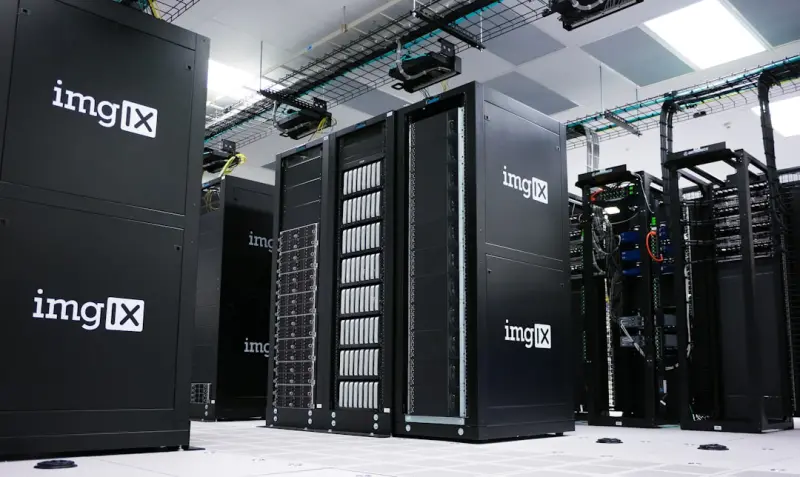
Unleashing the Full Potential of Your SaaS with Bare‑Metal Power
When I first started architecting SaaS platforms, I was dazzled by the promise of cloud elasticity. The idea that you could spin up a node in seconds and never worry about capacity felt like a miracle. Yet, after years of chasing auto‑scaling groups, I stumbled upon a recurring bottleneck: raw, unfiltered compute horsepower. That’s when I dug deeper into dedicated server hosting and realized it wasn’t just a legacy option for “big‑box” enterprises—it’s a strategic lever for any SaaS that craves predictable latency, iron‑clad security, and absolute control over the stack.
What Makes Dedicated Servers Different?
At its core, a dedicated server is a single physical machine that you lease end‑to‑end. Unlike shared or virtualized environments, there’s no hypervisor slicing up CPU cycles, no noisy neighbor stealing memory, and no “burst‑able” credits that disappear when traffic spikes. Here’s a quick rundown of the tangible differentiators:
- Dedicated Resources: 100% of the CPU, RAM, and storage belong to you. No surprises from other tenants.
- Predictable Performance: Latency stays constant because the hardware isn’t juggling multiple workloads.
- Hardware Customization: Choose exact CPU generations, NVMe SSDs, or even GPU accelerators—tailor the box to your workload.
- Network Isolation: Bypass the shared network fabric and enjoy dedicated uplinks, often with multiple carriers for redundancy.
- Full Root Access: Install any OS, kernel module, or proprietary driver without provider‑imposed restrictions.
Why B2B SaaS Teams Often Overlook Dedicated Hosting
Most SaaS founders gravitate toward managed cloud services because they promise “set‑and‑forget” simplicity. The mental model is: Deploy → Scale → Pay‑as‑you‑go. While this works for many front‑end web apps, it can hide three critical pain points for data‑intensive platforms:
- Cost Predictability: Variable cloud pricing can balloon with high‑throughput workloads, making budgeting a nightmare.
- Latency Sensitivity: Real‑time analytics, financial calculations, or AI inference demand sub‑millisecond response times that shared clouds sometimes can’t guarantee.
- Compliance & Governance: Certain industries (healthcare, finance, defense) require physical isolation or specific hardware certifications that public clouds only approximate.
When those constraints start to bite, the shift to a dedicated server becomes not just an option, but a necessity.
Real‑World Scenarios Where Dedicated Servers Shine
Below are three archetypal SaaS use‑cases where the move to bare‑metal is a game‑changer.
1. High‑Frequency Trading & Financial Modeling
In fintech, micro‑seconds matter. A dedicated server placed in a low‑latency data center, directly connected to exchange co‑location points, can shave off the latency that would otherwise be introduced by virtualization layers. The result? Faster order execution, better price discovery, and a competitive edge that no “cloud‑only” stack can match.
2. AI/ML Inference at Scale
Training models often lives in the cloud, but serving them in production is a different story. Inference workloads demand GPUs or specialized ASICs that are costly to rent on a per‑hour basis. By locking down a dedicated server equipped with, say, an NVIDIA A100, you eliminate the “pay‑per‑use” premium and gain consistent throughput for real‑time predictions.
3. Regulatory‑Heavy Data Lakes
Healthcare platforms that store PHI (Protected Health Information) must adhere to strict data residency and isolation rules. A bare‑metal server in a certified data center satisfies many of these mandates out‑of‑the‑box, reducing the compliance overhead that would otherwise require complex encryption‑in‑use solutions on shared infrastructure.
Designing Your Dedicated Architecture: A Pragmatic Blueprint
Transitioning to dedicated hardware doesn’t mean abandoning all the cloud conveniences you love. In fact, a hybrid approach—where you keep your edge services in the cloud while core compute runs on bare metal—often yields the best of both worlds. Here’s how to structure it:
- Identify Core Workloads: Pinpoint the services that are latency‑critical, cost‑sensitive, or compliance‑driven. Those are the candidates for dedicated servers.
- Choose the Right Form Factor: Rack‑mount vs. blade vs. tower—each has trade‑offs in density, cooling, and power consumption. For most SaaS, a 2U rack‑mount with dual CPUs and NVMe storage is a sweet spot.
- Network Segmentation: Deploy VLANs or software‑defined networking (SDN) to keep internal traffic isolated from public ingress. Pair this with DDoS mitigation services from your ISP.
- Automation & Configuration Management: Even though you own the hardware, you shouldn’t manually SSH into each box. Tools like Ansible, Terraform (via provider APIs), or Chef keep your environment reproducible.
- Monitoring & Observability: Install agents that feed metrics into a centralized dashboard—think Prometheus + Grafana or commercial APM solutions. With dedicated resources, you’ll see clearer signal‑to‑noise ratios.
Cost Modeling: From “Expensive” to “Strategic Investment”
It’s easy to label dedicated servers as “expensive” because the headline price looks higher than a comparable cloud VM. However, when you factor in the following, the math shifts dramatically:
- Fixed Billing: Monthly or annual contracts lock in rates, removing surprise spikes.
- Reduced Over‑Provisioning: With true isolation, you can provision to the exact capacity you need instead of “over‑provisioning” for safety margins.
- Lower Data Egress Fees: Moving massive datasets between cloud regions can be costly. Keeping data on-premises eliminates those fees.
- Long‑Term Depreciation Benefits: Some providers offer capital‑lease options that allow you to amortize hardware costs over several years.
When you run the numbers across a year of heavy analytics or AI inference, the total cost of ownership (TCO) often undercuts a comparable cloud footprint.
Security Advantages That Go Beyond the Checklist
Dedicated servers give you physical sovereignty over your environment. This translates into three concrete security wins:
- Zero‑Trust Networking: Since you control the NICs, you can enforce strict firewall rules and even implement hardware‑based TPM (Trusted Platform Module) attestation.
- Custom Hardening: Install only the kernel modules you need, disable unnecessary services, and apply firmware patches on your schedule.
- Isolation from Multi‑Tenant Risks: No risk of side‑channel attacks that exploit shared caches in hypervisors.
For SaaS platforms handling intellectual property or customer‑sensitive data, this level of control is priceless.
Integrating With Existing Cloud Workflows
You might wonder how a bare‑metal server fits into a CI/CD pipeline that lives in GitHub Actions or Azure DevOps. The answer is simple: treat the dedicated box as a remote “build agent” or “deployment target.” Here’s a quick example using a generic pipeline:
stage('Deploy to Bare Metal') {
    steps {
        sshagent(['dedicated-key']) {
            sh 'scp -r ./dist user@dedicated.example.com:/opt/app'
            sh 'ssh user@dedicated.example.com "systemctl restart myapp"'
        }
    }
}
This approach retains the agility of cloud‑native pipelines while leveraging the performance of dedicated hardware for production traffic.
Choosing the Right Provider: What to Look For
Not all dedicated hosting services are created equal. Here are the criteria I use when vetting a partner:
- Data Center Tier: Tier III or Tier IV facilities guarantee redundancy in power and cooling.
- Network Redundancy: Multiple carriers with BGP peering to avoid single points of failure.
- Hardware Refresh Cycle: Providers that upgrade to newer CPU generations at least annually keep you future‑proof.
- Support SLAs: 24/7 on‑site or remote hands with guaranteed response times.
- Customizability: Ability to add GPUs, FPGAs, or specialized NICs on request.
If a provider checks these boxes, you’ve likely found a partner that can grow with your SaaS.
When to Blend Dedicated and Virtualized Resources
Pure dedicated stacks are powerful, but there are scenarios where a mixed environment is optimal:
- Burst Traffic: Keep a baseline of dedicated capacity and spin up cloud burst nodes during seasonal spikes.
- Geographic Reach: Use edge locations in the cloud for static assets while serving dynamic API calls from a central bare‑metal hub.
- Development & Testing: Developers can use cheap cloud sandboxes, reserving the dedicated hardware for staging and production.
Think of the dedicated server as the “engine” of your SaaS, and the cloud resources as the “turbo boost” you tap into when needed.
Real‑World Success Story (Anonymized)
A mid‑size SaaS that provides real‑time video analytics for sports venues migrated their core video transcoding pipeline from a public cloud to a pair of dual‑CPU dedicated servers equipped with NVIDIA T4 GPUs. Within three months they achieved:
- 30% reduction in processing latency (from 400 ms to 280 ms per frame)
- 40% lower monthly compute spend thanks to fixed‑price hardware
- Full compliance with the venue’s on‑prem security policies
The move also freed up their cloud budget to invest in a global CDN, improving end‑user experience for fans streaming the events.
Future‑Proofing Your SaaS with Bare‑Metal
Technology trends—like the rise of 5G, the explosion of edge AI, and the growing importance of data sovereignty—are converging on a single truth: control matters. Dedicated servers hand you that control in the most direct form.
By anchoring your most critical workloads on bare‑metal, you future‑proof your platform against unpredictable cloud pricing, evolving compliance landscapes, and the inevitable performance ceiling of virtualized resources.
Next Steps: Evaluate and Experiment
If you’re intrigued, start small. Many providers offer a single‑node “starter” dedicated package with a 30‑day trial. Deploy a non‑critical micro‑service—perhaps an image‑processing worker—and measure latency, cost, and operational overhead. Use those metrics to build a business case for a broader migration.
And don’t forget to leverage the broader SaaS community for guidance. For instance, the article Why Your SaaS Needs a Virtual Private Server (And How to Choose One That Grows With You) outlines a decision‑tree that, with a few tweaks, can help you decide between VPS and dedicated options. Likewise, the insights from Hybrid Cloud Hosting: A Pragmatic Blueprint for B2B SaaS Success can guide you on blending the two worlds for maximum agility.
Dedicated server hosting isn’t a relic of the past; it’s the high‑performance engine that can drive your SaaS to new heights. When you give your application the hardware it deserves, the sky isn’t the limit—it’s just the beginning.

Sanji Patel has dedicated 25 years to the SEO industry. As an expert SEO consultant for news publishers, he emphasizes providing both technical and editorial SEO services to news publishers worldwide. He frequently speaks at conferences and events globally and offers annual guest lectures at local universities.
Related Posts

Dedicated Server Hosting: The Backbone of Predictable SaaS Performance
Dedicated servers provide the consistency, compliance, and cost predictability that modern SaaS plat... Read More
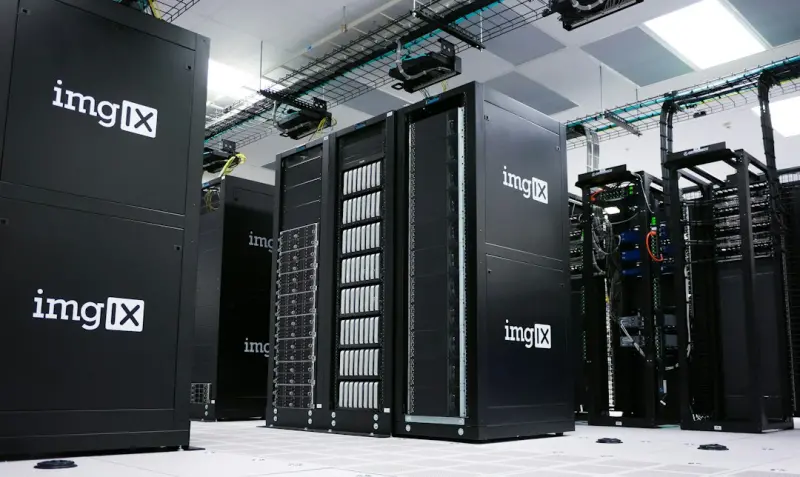
Dedicated Server Hosting: The Strategic Backbone for High‑Performance B2B SaaS
Dedicated server hosting isn’t a relic; it’s a strategic advantage for SaaS companies needing pr... Read More
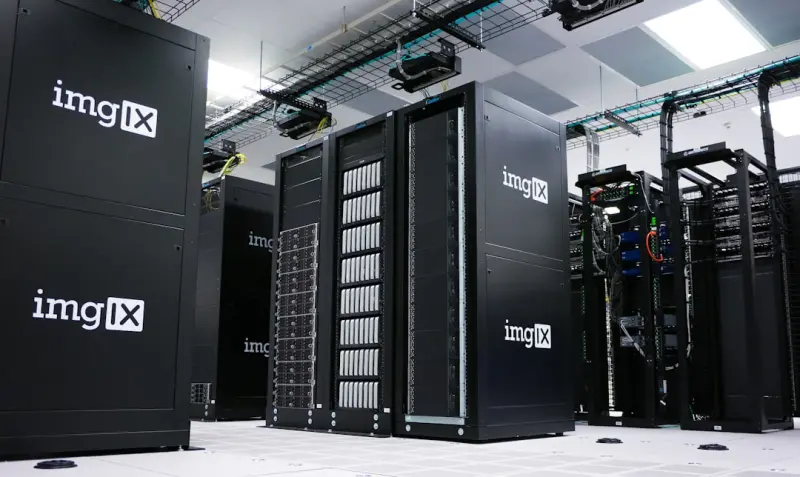
Dedicated Servers: The Quiet Powerhouse Behind SaaS Success
Dedicated server hosting provides raw performance, predictable costs, and compliance benefits that m... Read More
Top Posts
Granular Control with VPS: A Practical Playbook for B2B SaaS Teams
A detailed guide showing why a Virtual Private Server offers SaaS teams unmatched control, predictable pricing, and regulatory compliance, complete with actiona...Read More

JavaScript Meets WebAssembly: A New Performance Playbook for SaaS
JavaScript is now teaming up with WebAssembly to deliver near‑native speed for heavy computations, real‑time visualizations, and secure cryptography, giving...Read More

Dedicated Servers: The Unsung Heroes of SaaS Scaling
Dedicated servers offer predictable performance, strict security, and cost certainty, making them a strategic asset for SaaS platforms that need low latency, re...Read More

The Hidden Playbook for Scaling Reseller Hosting Operations
A deep dive into the technical and operational strategies that turn reseller hosting from a simple side‑gig into a scalable, secure, and brand‑centric platf...Read More
0 Comments
Post Comment
You will need to Login or Register to comment on this post!