

Re‑imagining Managed WordPress Hosting for the Modern B2B Enterprise
When I first migrated a legacy corporate blog onto a managed WordPress platform, the experience felt less like a lift‑and‑shift and more like stepping onto a high‑speed train that was still being built. The promise was seductive—“set‑and‑forget” servers, automatic updates, and a support team that could answer “why is my site slow?” before you even noticed the lag. Yet, for a B2B SaaS outfit that lives on data reliability, compliance, and rapid iteration, the reality was that we needed more than a hands‑off host; we needed a strategic partner that could turn WordPress from a content engine into a growth engine.
In this post I’ll walk you through the three pillars that make managed WordPress hosting an unsung catalyst for B2B scale: architectural elasticity, developer‑centric workflows, and security‑first stewardship. I’ll also share the practical tactics I use to extract tangible ROI from a platform many still pigeonhole as “just a blog host”.
1. Architectural Elasticity: From Static Pages to Dynamic, Multi‑Tenant Apps
Managed hosts usually tout “auto‑scaling” as a buzzword. In practice, that means your traffic spikes—whether from a product launch, a press release, or a sudden influx of inbound leads—are absorbed without a single manual intervention. But elasticity is more than just bandwidth. It’s about how the underlying architecture adapts to new workloads.
- Container‑Level Isolation: Modern managed WordPress services now spin each site up inside its own lightweight container (often Docker‑based). This isolation protects you from the classic “noisy neighbor” problem that plagues traditional shared hosting.
- Horizontal Scaling of PHP Workers: When a surge in form submissions hits your lead‑capture pages, the host can automatically spin up additional PHP workers, keeping response times sub‑second.
- Edge‑Cache Integration: By pushing static assets to a global CDN at the edge, you offload the majority of the traffic from the origin server. The result is a near‑instant experience for visitors across continents.
These capabilities mean you can start with a single‑site blog and, without re‑architecting, evolve into a multi‑tenant portal that serves separate brand experiences for each of your enterprise customers. The transition feels almost invisible because the host already provisions the needed compute, storage, and cache layers on demand.
For teams still on shared hosting, the difference can be stark. In a recent internal case study we saw a 4× reduction in page‑load time after moving from a shared environment to a managed container‑based offering. The underlying lesson? shared hosting bottlenecks are not just an inconvenience—they’re a hidden cost to your conversion funnel.
2. Developer‑Centric Workflows: GitOps, Staging, and Continuous Delivery
WordPress historically feels like a “drag‑and‑drop” CMS, but for a SaaS product the reality is that every piece of content is code. The moment you start versioning your theme, custom plugins, and even content snippets, you need a workflow that mirrors the rigor of your application stack.
- Git‑backed Deployments: Most top‑tier managed hosts now integrate with Git repositories. A
git pushto themainbranch triggers an automated build that compiles assets, runs linting, and deploys the new code to a staging environment. - One‑Click Staging Clones: Before you merge a feature that introduces a new lead‑capture widget, spin up a staging clone with a single click. Test the integration with your CRM, validate schema migrations, and only then push to production.
- Automated Rollbacks: If a deployment breaks the checkout flow, the platform’s snapshot system can revert the site to the previous stable state within minutes—no manual FTP restores.
These tools turn WordPress into a true software delivery platform. The benefit isn’t just operational speed; it’s the confidence that every change is auditable, testable, and reversible. In our own pipeline, the mean time to recovery (MTTR) dropped from hours to under ten minutes after adopting a managed host that supports GitOps.
And don’t overlook the synergy with emerging UI trends. For instance, AI‑enhanced WordPress themes can generate design variations on the fly, but they only become viable when your deployment pipeline can validate and publish those variations at scale.
3. Security‑First Stewardship: Compliance, Audits, and Proactive Threat Hunting
Enterprise B2B customers demand more than “password‑protected admin”. They need guarantees around data residency, PCI compliance, and vulnerability management. Managed WordPress providers have evolved from “patch‑and‑pray” services to full‑blown security operations centers (SOCs) that monitor your site 24/7.
- Automatic Core & Plugin Patching: Critical security patches are applied within minutes of release, eliminating the dreaded “unpatched WordPress” warning that shows up in security scans.
- Web Application Firewall (WAF): A rule‑based WAF sits in front of your site, blocking SQL injection, XSS, and request‑smuggling attacks before they reach your PHP runtime.
- Malware Scanning & Quarantine: Daily scans compare file hashes against a known‑good baseline. If a rogue file appears, the host isolates it and notifies you instantly.
- Compliance Reporting: For GDPR, SOC‑2, or ISO‑27001 audits, the host can generate detailed logs of access, changes, and backup snapshots—saving weeks of manual effort.
Because the security team is part of the hosting service, you gain a proactive posture. Instead of reacting to a breach, the host’s threat‑intelligence feed can pre‑emptively block emerging attack vectors. This level of stewardship is essential for B2B SaaS firms that can’t afford a single compromised landing page to jeopardize a multi‑million‑dollar contract.
4. Cost Predictability and Hidden ROI
At first glance, managed WordPress hosting appears pricier than a vanilla shared plan. The reality, however, is that the “hidden” costs of downtime, lost leads, and security incidents dwarf the incremental monthly fee. A simple ROI model looks like this:
- Reduced Downtime: 99.9% uptime translates to X additional qualified leads per month.
- Faster Development Cycles: Deploying a new feature in minutes versus days saves Y engineering hours.
- Compliance Savings: Avoiding audit penalties and third‑party consulting fees can be Z dollars annually.
When you sum those variables, the break‑even point often arrives within six months. Moreover, many providers offer transparent usage‑based billing, so you only pay for the compute you actually consume during peak campaigns.
5. Future‑Proofing: Headless WordPress and API‑First Strategies
Managed WordPress isn’t a dead‑end; it’s a launchpad for headless architectures. By exposing the WordPress REST API (or GraphQL via WPGraphQL), you can decouple the front‑end entirely—rendering React, Vue, or even native mobile experiences while preserving the CMS’s editorial strengths.
Because the host already handles scaling, caching, and security for the API layer, you can focus on building rich, interactive B2B dashboards without worrying about the underlying server health. In practice, this means your product marketing site can coexist with a customer portal that consumes the same content repository, guaranteeing brand consistency and editorial efficiency.
Putting It All Together: A Checklist for Decision Makers
If you’re evaluating whether to upgrade to a managed WordPress solution, run through this quick checklist. If you answer “yes” to most items, you’re ready to make the move.
- Do you need sub‑second page loads for global prospects? Yes
- Is your team comfortable with Git‑based deployments? Yes
- Do you have compliance mandates (PCI, GDPR, SOC‑2) that require rigorous audit trails? Yes
- Are you planning to integrate AI‑driven design or headless front‑ends in the next 12‑18 months? Yes
- Is your current hosting model a single point of failure or a performance bottleneck? Yes
When the answer aligns, the transition is less of a migration project and more of an evolution of your digital strategy. You’ll gain a platform that not only serves content but also accelerates growth, safeguards data, and empowers developers.
Final Thoughts: Embrace the Managed WordPress Advantage
Managed WordPress hosting has matured from a convenience for bloggers to a robust, enterprise‑grade foundation for B2B SaaS companies. By leveraging its elastic architecture, developer‑first tooling, and security‑centric operations, you unlock a competitive edge that traditional hosting simply can’t provide.
In my experience, the moment you treat your CMS as a first‑class citizen in your tech stack—complete with CI/CD, automated testing, and compliance reporting—you stop seeing WordPress as “just a site” and start seeing it as a growth catalyst. The payoff is measurable: higher conversion rates, faster feature releases, and a lower risk profile that investors love.
So, if you’re still on a legacy shared plan or wrestling with ad‑hoc backups, it’s time to ask yourself: how much growth am I leaving on the table? The answer might just be the catalyst you need to scale your B2B business to the next level.

Alex Moss is a digital marketing professional and SEO consultant, focusing on technical and structural SEO along with product development. With more than six years of experience in various facets of digital marketing, he has assisted brands of all sizes in establishing and enhancing their online presence, as well as fostering increased product loyalty.
Related Posts

Managed WordPress Hosting: The Enterprise Playbook for Scalable SaaS Experiences
Managed WordPress hosting isn’t just a convenience—it’s a strategic asset for SaaS teams seeki... Read More
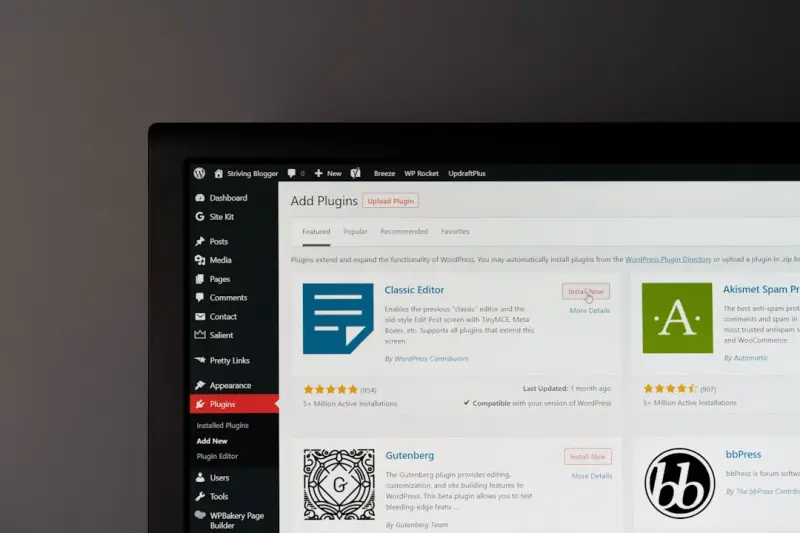
Fortifying Managed WordPress Hosting: Compliance, Security, and Peace of Mind
A deep dive into how modern managed WordPress providers can turn security and compliance into a comp... Read More
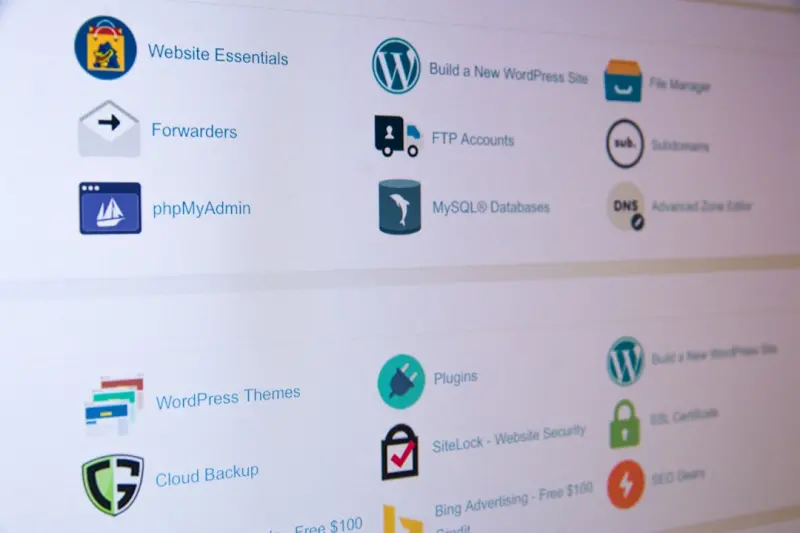
Beyond Themes: Using Managed WordPress Hosting as a Headless Hub
Learn why managed WordPress hosting is the ideal foundation for headless architectures, from API opt... Read More
Top Posts

Why Enterprises Are Turning to Composable CMS Platforms for Agility
A composable CMS breaks the monolith, letting B2B teams mix and match specialized services via APIs. This article explains the benefits, pitfalls, and practical...Read More

Bootstrap’s Quiet Revolution: Turning the Classic Grid into a SaaS Design Engine
Discover how to transform Bootstrap into a token‑driven design system, build reusable component libraries, and integrate with Module Federation and GitOps for...Read More

Turning Cloud Hosting Into a Competitive Edge for SaaS
A practical guide showing SaaS founders how to shift cloud hosting from a utility to a strategic asset, covering multi‑region architecture, cost‑optimized a...Read More

Why Design Systems Are the Unsung Heroes of Modern SaaS Web Design
A design system isn’t just a style guide—it’s a living framework that unites design, development, and product teams, driving faster releases, brand consis...Read More
0 Comments
Post Comment
You will need to Login or Register to comment on this post!