
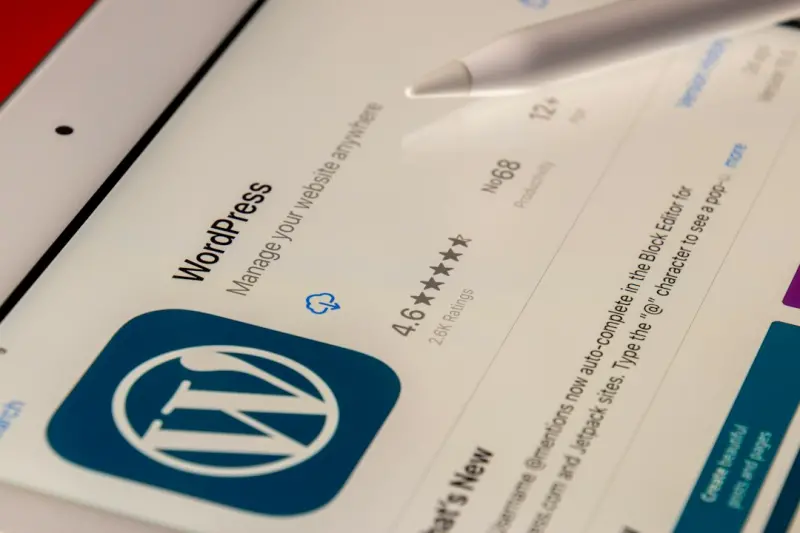
Why Zero‑Downtime Deployments Should Be Your North Star in Managed WordPress Hosting
When I first migrated a high‑traffic B2B portal onto a managed WordPress platform, the first thing I heard from the product team was, “We can’t afford any downtime during our quarterly launch.” That single sentence reshaped the way I think about hosting. It isn’t just about speed, security, or cost‑efficiency anymore; it’s about guaranteeing that every code push, every feature flag, and every content update sails through the production pipeline without a single second of user‑visible interruption.
The hidden cost of “planned” downtime
Most SaaS leaders treat downtime as a scheduled maintenance window, a necessary evil that can be announced a week in advance. In practice, that “window” eats into conversion rates, erodes trust, and creates a backlog of support tickets that snowball into churn. The hidden cost is rarely quantified in dollars, but it’s palpable in the form of lost leads, frustrated marketers, and an ever‑growing technical debt that makes future releases slower.
Managed WordPress Hosting isn’t just a “nice‑to‑have” anymore
Managed providers have moved beyond the traditional “you get a fast server and a dashboard” model. Modern platforms now embed CI/CD pipelines, automated rollbacks, and real‑time observability—all under the same roof. This evolution is the perfect backdrop for a zero‑downtime strategy, because the infrastructure itself is built to be immutable, reproducible, and instantly reversible.
Three pillars that make zero‑downtime possible
- Immutable Infrastructure: Treat every environment (dev, stage, prod) as code. When a new version is ready, spin up a fresh container or VM, run health checks, then flip traffic.
- Blue‑Green Deployments: Keep two identical production stacks—one live (blue) and one standby (green). Deploy to green, run smoke tests, then switch the load balancer. If anything goes wrong, a simple DNS toggle sends traffic back to blue.
- Feature Flags & Progressive Rollouts: Release new code behind a toggle. Enable it for 1% of users, monitor, then gradually increase exposure. If a bug surfaces, you can turn the flag off without touching the underlying deployment.
How a managed host can automate these pillars
Most premium managed WordPress providers now offer one‑click staging environments that mirror production down to the exact PHP version, MySQL configuration, and caching layer. They also integrate with Git‑based pipelines, allowing you to push a branch and have the host spin up a temporary preview site for QA. When the code passes, the platform can automatically trigger a blue‑green swap.
Take the Hybrid Cloud Hosting: A Pragmatic Playbook for SaaS Leaders playbook as a reference. The same principles that guide hybrid deployments—network segmentation, intelligent traffic routing, and unified observability—apply directly to WordPress. By extending those concepts to the managed layer, you eliminate the manual steps that traditionally cause outages.
Observability is the safety net you can’t ignore
Zero‑downtime isn’t a “set‑and‑forget” proposition. You need real‑time metrics, logs, and traces to confirm that the new stack is healthy before you hand it the keys. The Observability‑First Incident Management: Turning Data Into Trust in DevOps mindset is essential here. When your managed host surfaces latency spikes, database connection errors, or cache‑miss rates the moment they happen, you can abort a rollout before any user is impacted.
Step‑by‑step: Building a zero‑downtime workflow on managed WordPress
- Version Control Everything: Keep your theme, plugins, and custom code in a Git repo. Tag releases with semantic versioning.
- Automated Testing Suite: Unit tests for PHP, JavaScript linting, and end‑to‑end Cypress tests that simulate a user journey.
- Continuous Integration: On every PR, trigger a build that deploys to a temporary staging site on your host. Run the test suite automatically.
- Staging Promotion: Once CI passes, promote the build to a “green” production slot. The host will provision a new container, copy the database snapshot, and apply your cache configuration.
- Smoke Test in Production‑Like Environment: Run a lightweight health‑check script that verifies HTTP status, page load time, and critical API endpoints.
- Blue‑Green Switch: If the health check succeeds, trigger the load balancer to route 100% traffic to green. If it fails, the host rolls back to blue automatically.
- Feature Flag Rollout: Use a feature‑flag service (e.g., LaunchDarkly) to enable new functionality for a small user segment. Monitor KPIs and expand gradually.
- Post‑Deploy Observability: Keep the monitoring dashboard open for at least 30 minutes after the switch. Look for error‑rate spikes, cache‑warm‑up latency, or DB connection pool saturation.
Common pitfalls and how to dodge them
Relying on manual DB migrations. Even a single ALTER TABLE can lock your tables for minutes. Use wp-cli scripts that run within a transaction, or better yet, adopt a migration tool that supports rolling forward and backward.
Neglecting the cache warm‑up. A new container starts with an empty object cache, leading to a temporary slowdown that users can notice. Schedule a “warm‑up” cron that pre‑fetches the homepage, category pages, and any high‑traffic landing pages.
Forgetting to sync media assets. When you spin up a green environment, ensure that the media bucket (S3, GCS, etc.) is mounted read‑only. Any mismatch will cause broken images for users immediately after the switch.
Over‑complicating the load balancer. Simpler is better. Most managed hosts provide a layer‑7 (HTTP) balancer that can do health checks out of the box. Avoid adding an extra reverse‑proxy unless you have a specific need (e.g., custom WAF rules).
Case study: From “maintenance‑only” releases to true continuous delivery
One of our SaaS clients—an enterprise knowledge‑base platform—used to schedule a 2‑hour maintenance window every month. Their traffic peaked at 200k pageviews per day, and the downtime cost them roughly $15k in lost subscriptions each time.
We migrated them to a managed WordPress host that offered native blue‑green capabilities. Within three weeks we:
- Reduced average deployment time from 90 minutes to 8 minutes.
- Eliminated scheduled maintenance windows entirely.
- Improved page‑load speed by 18% thanks to zero‑cold‑cache swaps.
- Cut support tickets related to “site down” alerts by 92%.
The secret? Pairing the host’s automated traffic switch with a robust feature‑flag strategy. When a bug was discovered two days after launch, the team simply toggled the flag off, and traffic instantly reverted to the previous stable version without any user impact.
Choosing the right managed host for zero‑downtime
Not every managed WordPress provider offers the full suite of capabilities you need. Look for these non‑negotiables:
- Native Staging & Cloning: One‑click clones that replicate production exactly.
- Blue‑Green or Canary Deployments: Built‑in traffic routing and instant rollbacks.
- Integrated Observability: Real‑time dashboards, alerting, and logs that surface at the moment of a failure.
- CLI Access: Ability to run
wp-clicommands on staging/green environments. - Feature‑Flag Compatibility: Easy integration with third‑party flag services or native toggles.
When you evaluate a provider, ask for a demo that walks through a blue‑green swap. If the engineer can’t show you the process in under five minutes, you might be looking at a platform that’s still stuck in the “shared hosting” mindset.
Future‑proofing: The role of serverless edge in zero‑downtime WordPress
Edge computing is making its way into the WordPress ecosystem. By pushing dynamic rendering to the edge (e.g., via Cloudflare Workers or Fastly Compute@Edge), you can serve personalized content with sub‑second latency even while the origin is undergoing a deployment. This means that the “green” environment can be updated in the background, while users continue to receive cached edge responses that are refreshed automatically once the origin swap completes.
Think of it as adding a second safety net: the managed host handles the container swap, and the edge layer gracefully drains stale content while pulling the fresh version. The net result? A truly seamless experience where users never see a flash of “Site is down” or a broken layout.
Wrapping up: Turn downtime into a myth, not a metric
Zero‑downtime deployments are no longer a luxury for unicorn startups; they’re a baseline expectation for any B2B SaaS that treats its website as a core product channel. By leveraging the immutable infrastructure, blue‑green capabilities, and observability that modern managed WordPress hosts provide, you can transform every release into a low‑risk, high‑velocity event.
Start by auditing your current workflow, map out where manual steps exist, and then align those gaps with the features offered by your hosting partner. Once you have that alignment, the rest is a matter of discipline—write tests, automate builds, and let the platform do the heavy lifting. The payoff is a resilient, always‑on digital presence that fuels growth rather than stalls it.

Alex Moss is a digital marketing professional and SEO consultant, focusing on technical and structural SEO along with product development. With more than six years of experience in various facets of digital marketing, he has assisted brands of all sizes in establishing and enhancing their online presence, as well as fostering increased product loyalty.
Related Posts
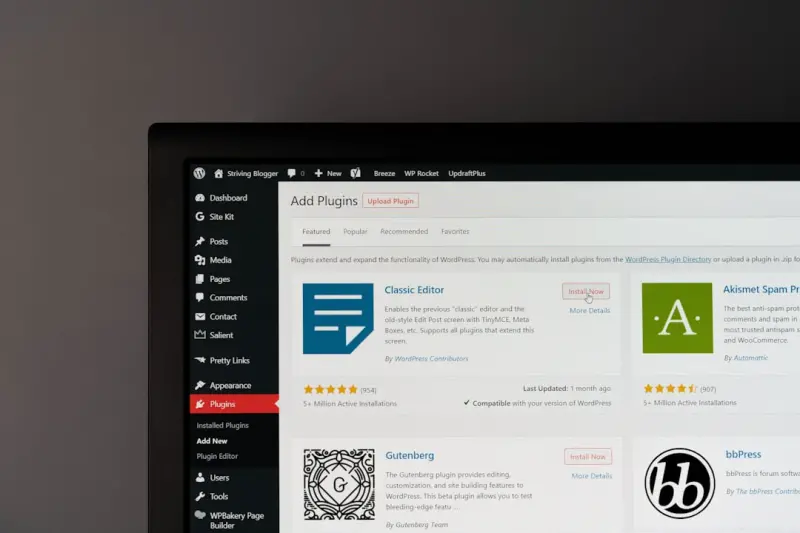
Why Headless WordPress on Managed Hosts Is the Secret Weapon for Modern Enterprises
Learn why pairing headless WordPress with a managed host gives enterprises unmatched performance, se... Read More

Managed WordPress Hosting: The Enterprise Playbook for Scalable SaaS Experiences
Managed WordPress hosting isn’t just a convenience—it’s a strategic asset for SaaS teams seeki... Read More
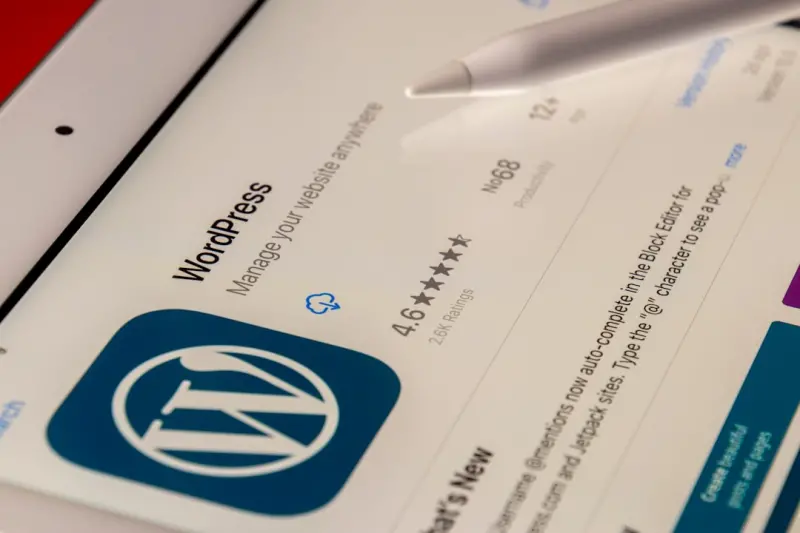
Why Managed WordPress Hosting Is the Secret Weapon for Scaling SaaS Landing Pages
A deep dive into how managed WordPress hosting transforms SaaS landing pages by delivering performan... Read More
Top Posts

AI‑Augmented Incident Management: From Alert Fatigue to Actionable Insight
The post explores how AI can turn chaotic alert streams into actionable insights, outlining practical steps to build a knowledge graph, enrich alerts, and shift...Read More

Observability in Node.js: Building Transparent SaaS Services
A practical guide showing how to add OpenTelemetry tracing, structured JSON logging, and Prometheus metrics to Node.js services, turning blind guessing into dat...Read More
Why Managed WordPress Hosting Is the Secret Weapon for Scaling SaaS Landing Pages
A deep dive into how managed WordPress hosting transforms SaaS landing pages by delivering performance, security, and developer-friendly workflows that let team...Read More

When AI Becomes Your Design Partner: A New Playbook for Web Creators
AI tools are reshaping web design by handling repetitive tasks and boosting iteration speed, letting designers focus on strategy and creativity while maintainin...Read More
0 Comments
Post Comment
You will need to Login or Register to comment on this post!